A senior Perak education official has appealed for constructive dialogue between school leadership and a teacher who lodged complaints of workplace bullying, emphasizing that resolving the dispute swiftly will ultimately benefit students. Datuk Khairudin Abu Hanipah, chairman of the Perak Education, Higher Education, Youth and Sports Committee, cautioned both sides against mutual recriminations and instead advocated for a reconciliatory path forward that prioritizes the educational environment.
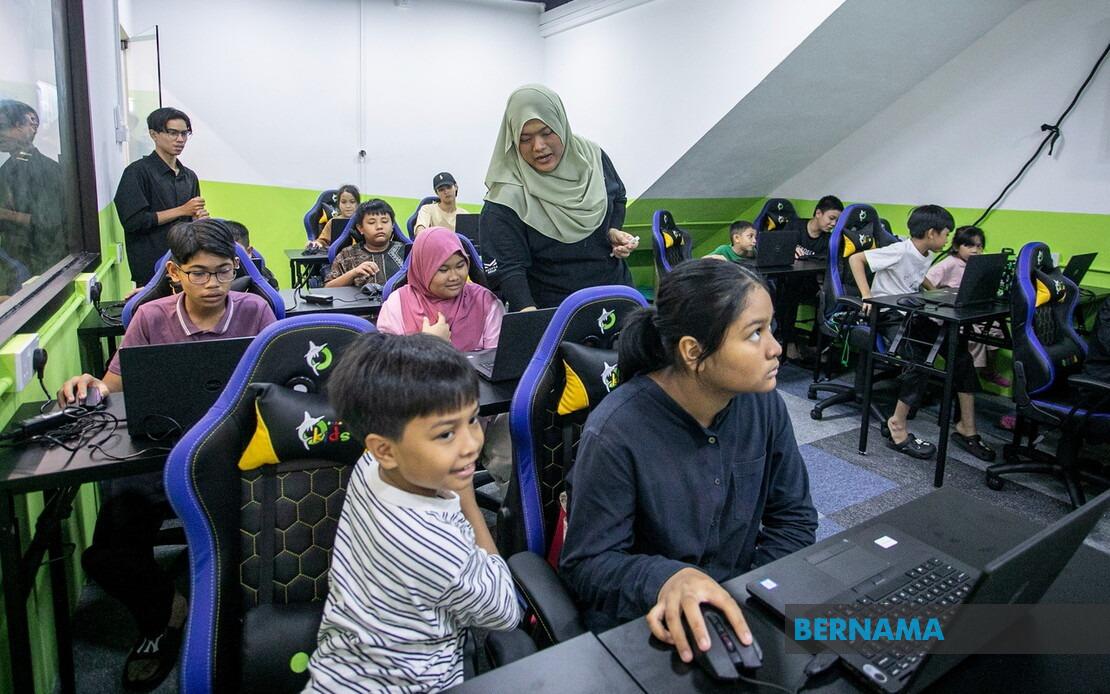
The underlying dispute centres on allegations made by an educator at a Chemor school, who reported experiencing bullying, intimidation, and psychological harassment during the period from March through May. The case gained public prominence after gaining traction on social media, prompting intervention from state-level authorities. Khairudin's remarks came during a media engagement at the opening ceremony of the Todak Academy (Perak) Digital Education Hub in Ipoh, signalling the administration's intention to address workplace conduct issues seriously.
According to Khairudin, the relevant state and district education offices have completed a comprehensive investigation into the matter. The findings have been formally recorded in the Public Complaints Management System (SISPAA), Malaysia's standard mechanism for documenting and tracking grievances within the civil service. He stressed that while his office has reviewed the full investigative report, the way forward should not involve assigning blame to either the school administration or the teacher.
The committee chairman articulated a nuanced position regarding the competing perspectives held by each party. He acknowledged that the school administration operates within a framework of government circulars and procedural requirements, which necessarily constrain their decision-making latitude. Simultaneously, he emphasized that the teacher must also recognize the importance of adhering to prescribed protocols when addressing workplace concerns. This dual accountability approach underscores a broader tension within Malaysian educational institutions between administrative authority and employee protections.
One significant aspect of the teacher's complaint involved her assertion that she had experienced seizures as a consequence of workplace stress. Khairudin addressed this claim cautiously, noting that medical verification is essential before drawing conclusions. He indicated that the teacher has sought medical treatment and recommended allowing the medical assessment process to conclude before public statements are made about the health implications. This measured response reflects appropriate deference to clinical evidence while avoiding premature validation or dismissal of occupational health claims.
Zulkafli Mohamed Mokhtar, the state education director, issued a formal statement confirming that the Perak Education Department has prioritized the complaint and initiated systematic follow-up actions commencing from March. The department's intervention protocols have encompassed facilitated dialogue sessions between parties, substantive reviews of workplace conditions, ongoing monitoring, and coordination with relevant stakeholders. This comprehensive approach demonstrates an institutional commitment to addressing systemic issues rather than merely processing complaints administratively.
The education department's statement emphasized that handling such disputes professionally and transparently remains a cornerstone of their operational philosophy. The organization has framed workplace bullying as fundamentally inconsistent with its values and has undertaken to safeguard the welfare of all educators while maintaining institutional integrity. This commitment carries particular weight in a Malaysian context where teacher welfare intersects with broader concerns about professional dignity within the civil service.
The incident highlights recurring challenges within Malaysian schools regarding workplace relationships and conflict resolution mechanisms. While formal complaints procedures exist, the gap between lodging grievances and achieving meaningful resolution often frustrates affected parties, sometimes prompting public disclosure through social media. The Perak case exemplifies how institutional disputes can escalate into public controversies when stakeholders feel their concerns are not being adequately addressed through internal channels.
For Malaysian educators and school administrators, this situation underscores the importance of establishing robust mechanisms for addressing workplace conduct issues before they deteriorate into formal complaints. Preventive measures, including clear codes of conduct, regular training on professional workplace relationships, and accessible informal mediation options, could reduce the incidence and severity of such disputes. The case also demonstrates that both management prerogatives and employee protections must be balanced within educational institutions.
The resolution process carries implications beyond the immediate parties involved. School environments where tensions between administration and staff remain unresolved inevitably create atmospheres of discomfort that affect student learning and institutional morale. Khairudin's emphasis on collaborative problem-solving reflects recognition that schools function most effectively when leadership and teaching staff operate with mutual respect and shared commitment to educational objectives.
Moving forward, the Perak Education Department faces the practical challenge of implementing its investigation findings in ways that address the underlying concerns while maintaining institutional credibility. Whether the dispute reaches formal resolution through mediation, disciplinary procedures, or voluntary agreement will significantly influence how future complaints are treated within Perak schools. The transparency of this process and its outcomes will also shape teacher confidence in departmental commitment to protecting educational professionals from workplace harm.

