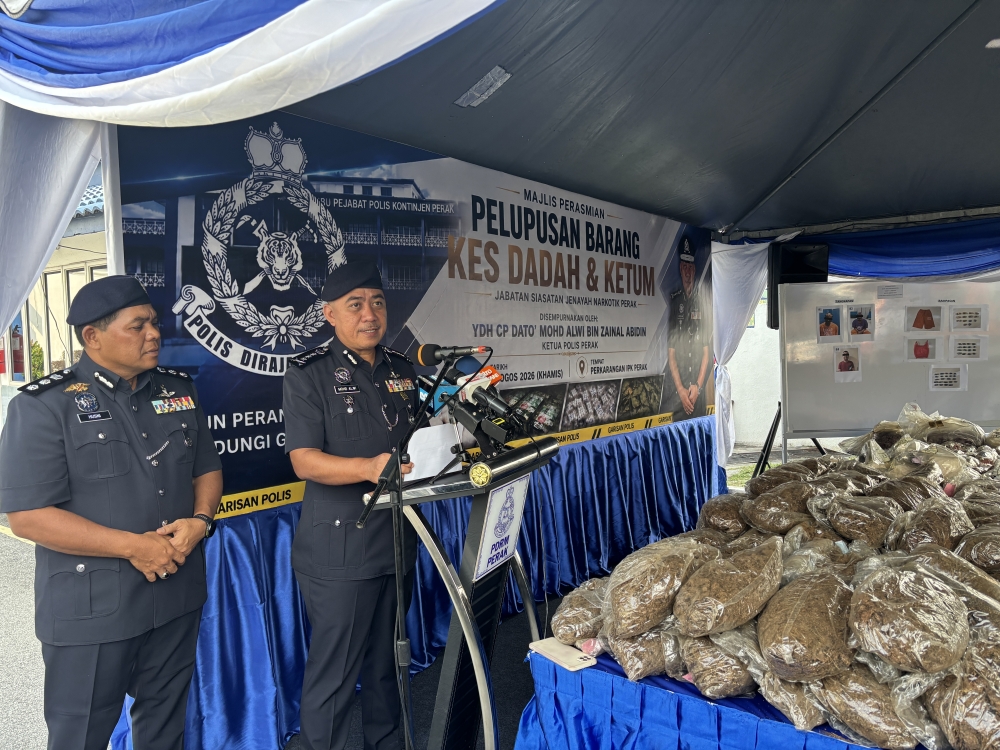
Perak police have commenced a formal investigation into allegations of sexual harassment directed at the chief executive of PKNPk, marking another chapter in the state's efforts to address workplace conduct issues within government-linked institutions. The inquiry, initiated in Ipoh, reflects growing attention paid by law enforcement to complaints involving senior executives and their treatment of staff members, particularly in organisations operating under state oversight and public funding.
The decision to open a police investigation signals that authorities view the matter with sufficient gravity to warrant formal scrutiny beyond internal corporate channels. This approach underscores a broader trend in Malaysia where allegations against senior figures, especially those heading state-linked enterprises, increasingly trigger official intervention rather than being handled exclusively through private dispute resolution mechanisms. For PKNPk, a body with significant operational responsibilities and resource management obligations, the investigation carries implications for institutional credibility and governance standards.
Sexual harassment allegations within Malaysian workplaces have gained heightened visibility over recent years, driven partly by evolving social awareness and partly by shifting expectations regarding accountability. When such complaints emerge at executive levels, they often extend beyond the immediate individuals involved to encompass questions about institutional culture, complaint mechanisms, and the adequacy of safeguards protecting employees from misconduct. The Perak police involvement in this particular case demonstrates how state authorities are treating workplace conduct matters as falling within their enforcement remit.
The investigation process will likely examine the nature of specific allegations, documentation of incidents, witness testimonies, and institutional responses to complaints prior to police engagement. Malaysian police investigations into such matters typically follow structured protocols that aim to establish factual foundations while protecting the rights and privacy of complainants, though the public nature of police involvement inevitably generates media attention and public discourse around the allegations themselves.
For PKNPk employees and stakeholders, the investigation represents an opportunity for systemic issues—if they exist—to surface through official channels and receive remedial attention. It also signals to the broader workforce that formal complaints will be taken seriously, though the investigation's outcome and any subsequent actions will ultimately determine whether this confidence is justified. The timeframe for such investigations varies considerably depending on complexity and cooperation from involved parties.
The case also intersects with larger conversations about workplace protection standards across Malaysian industries and government-linked organisations. While legislative frameworks exist to address sexual harassment, implementation and enforcement remain areas where significant variation occurs between institutions. High-profile investigations can catalyse improvements in policies, training, and complaint handling procedures across sectors as organisations reassess their own practices against emerging standards.
Politically, the investigation occurs within Perak's broader governance landscape and may influence public perception of how state institutions handle accountability matters. Opposition groups and civil society organisations typically scrutinise such inquiries to assess whether they proceed fairly and comprehensively, while government supporters watch for due process assurances. The transparency with which authorities communicate about investigation progress becomes significant for public confidence.
For Malaysia's positioning within regional conversations about workplace conduct and gender-based harassment, cases like this one contribute to evolving norms around what constitutes unacceptable behaviour and what remedies are available to victims. ASEAN nations are increasingly aligning on these issues, with neighbours like Indonesia and Thailand also experiencing heightened attention to workplace harassment in senior roles. Malaysian outcomes in high-profile cases inform expectations and legal arguments in the region.
The investigation also carries implications for PKNPk's operational continuity and stakeholder relationships. Depending on the investigation's conclusions and any regulatory actions that follow, the organisation may face internal restructuring, policy revisions, or leadership changes. Suppliers, employees, and government bodies that interface with PKNPk may adjust their engagement strategies pending the investigation's outcome, particularly if the case reveals systemic governance weaknesses.
Preliminary outcomes, whether they result in charges, disciplinary recommendations, or institutional reforms, will likely be subject to public interest scrutiny. Malaysian media and civil society groups historically follow such investigations closely, with particular attention to whether processes treat complainants fairly and whether institutional power differentials influence investigative outcomes. The precedent established through this case will influence how other similar allegations are handled within state-linked entities across Malaysia.
Stakeholders awaiting investigation conclusions include current and former PKNPk employees, state government officials responsible for oversight, and the broader business community monitoring whether institutional accountability mechanisms function reliably. The investigation represents a test case for Perak's commitment to workplace conduct standards and the state's capacity to investigate senior figures impartially, regardless of their institutional position or professional status.

