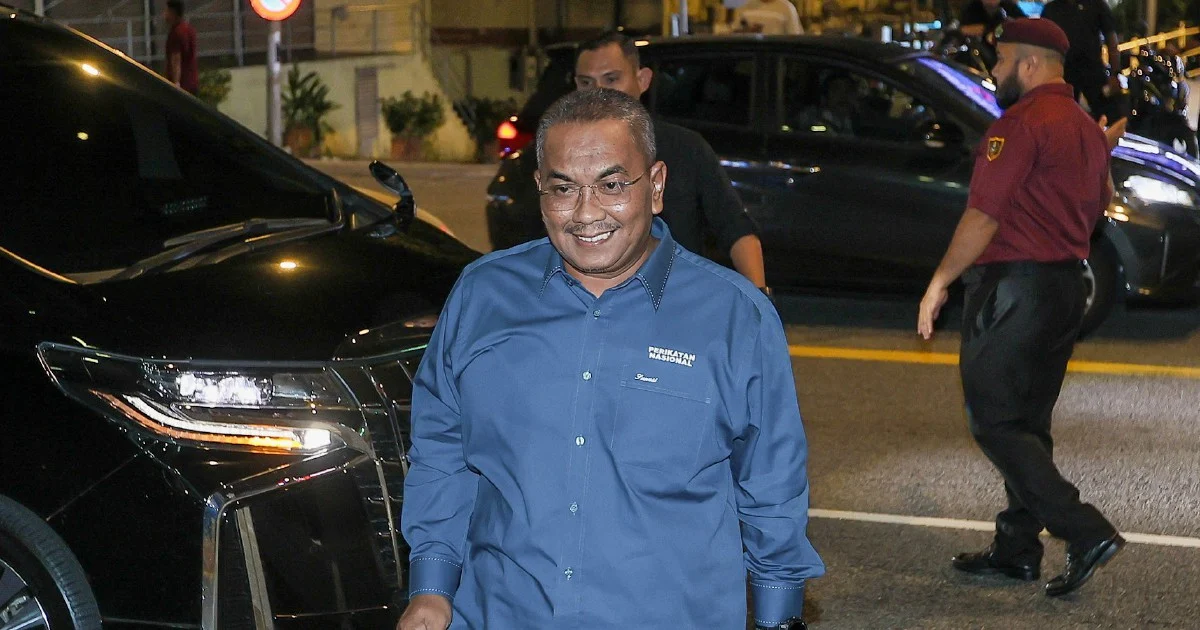
Perikatan Nasional has firmly rejected speculation that it would adopt the Barisan Nasional banner for the upcoming Johor state election, instead confirming it will campaign under its own distinctive logo. The clarification comes from PN election director Datuk Seri Muhammad Sanusi Md Nor, who sought to settle mounting rumours about potential electoral arrangements with the traditional ruling coalition.
The statement underscores a significant shift in Malaysian electoral politics, where the question of which parties operate under which banners carries substantial implications for voter perception and campaign messaging. Perikatan Nasional's insistence on fielding candidates purely under its own identity suggests the coalition views its brand as sufficiently strong to compete without relying on the historic prestige associated with Barisan Nasional, which has governed Malaysia for most of its independence until the 2018 general election.
Johor represents a critical battleground for both PN and BN in coming state-level contests. The southern state has traditionally been a stronghold of Malaysian politics, and control of its state government carries weight beyond mere regional significance. By running independently, PN is essentially signalling its confidence in its organisational capacity and grassroots support within the state, challenging the notion that it requires institutional backing from established coalitions to mount a credible campaign.
The rejection of the BN banner also reflects the complex political dynamics that have unfolded since 2018, when the original BN coalition fractured following electoral defeat. While BN has since stabilised its position and returned to federal government through various arrangements, its political stock remains contested and regionally variable. In Johor specifically, the question of which coalition can better represent local interests and deliver developmental priorities continues to dominate political discourse.
Pemarcos Nasional's emphasis on contesting under its own colours suggests the coalition leadership believes independent branding will resonate more effectively with voters who may harbour reservations about BN's historical governance record or who view PN as representing a clearer political alternative. This approach also allows PN to maintain distinct policy messaging and organisational autonomy, rather than being subsumed into a larger coalition structure where decision-making authority might be diffused.
Sanusi's public dismissal of the rumours carries tactical importance, preventing speculation from distracting the coalition from campaign preparation and muddying its political messaging during a critical period. Election directors typically serve as primary spokespersons on such matters, so his involvement reinforces the official nature of this clarification and suggests the issue had gained sufficient traction to warrant direct intervention at senior levels.
The Johor election context also intersects with broader developments in Malaysian politics, where coalition formations and electoral arrangements have become increasingly fluid and pragmatic. Unlike federal arrangements, where multiple coalitions may cooperate at different governance levels, state elections frequently involve more straightforward binary or multi-cornered contests. PN's decision to pursue a solo identity in Johor reflects this reality and avoids the complications that might arise from attempting to manage dual branding or power-sharing arrangements.
For Malaysian voters, this development carries practical implications regarding ballot presentation and campaign clarity. When parties run under unified banners, campaign materials, messaging, and candidate promotion operate within a coordinated framework. Running separately means PN alone bears responsibility for its campaign effectiveness and electoral outcome, without the option of attributing performance to broader coalition dynamics or shared accountability.
The confirmation also provides clarity for smaller parties and independent candidates who might otherwise have awaited clarification about available electoral pathways. Various Malaysian political actors consistently assess which coalitions or arrangements might optimise their electoral prospects, and definitive statements from coalition leadership help concentrate political negotiations and prevent prolonged uncertainty that could hamper preparation schedules.
Looking ahead, PN's standalone approach in Johor may establish a template for how the coalition pursues other state-level contests, particularly where it perceives competitive advantage from independent campaigning. This strategy essentially tests whether PN has consolidated sufficient organisational infrastructure and voter support to compete effectively without institutional affiliation to established coalitions, a crucial question for the coalition's long-term viability and trajectory within Malaysian politics.

