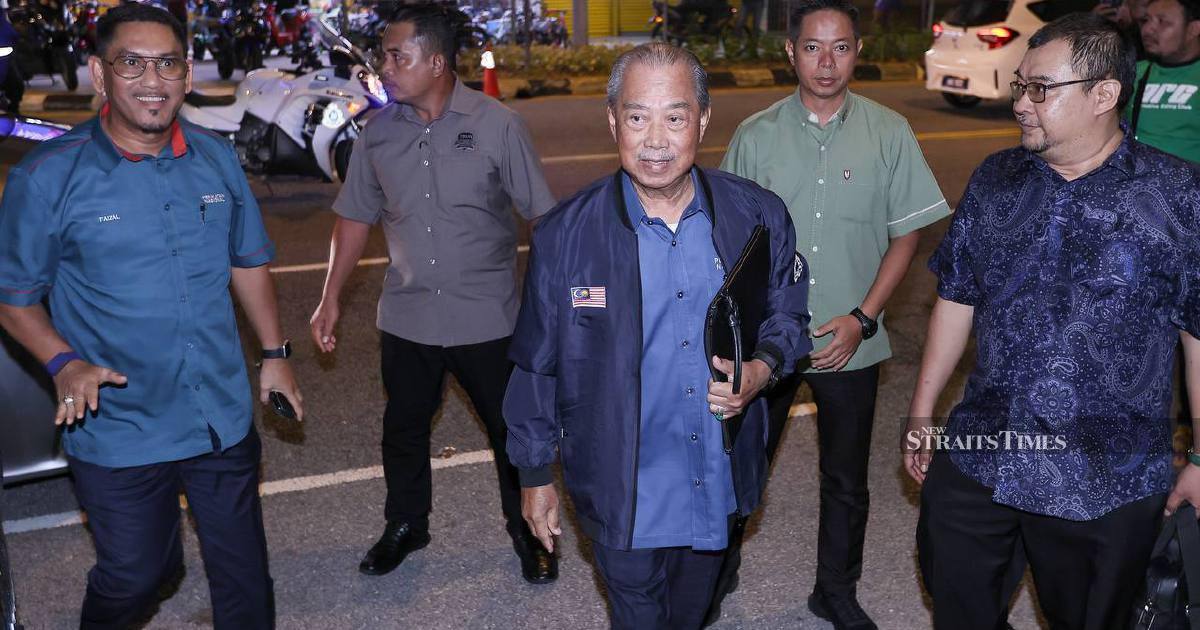
Perikatan Nasional's highest decision-making body assembled for an unscheduled emergency session at PAS headquarters in Kuala Lumpur, bringing together the coalition's senior leadership as the opposition grouping navigates critical political circumstances. The hastily arranged gathering underscores mounting pressures and strategic considerations affecting the alliance that has become a significant force in Malaysia's contemporary political landscape.
The emergency convening of the Supreme Council reflects the coalition's need to address matters requiring swift coordination among member parties. Such sessions are typically reserved for urgent developments that demand collective deliberation and unified positioning, indicating that PN's constituent parties—primarily PAS, PKR's rival faction, HAMIM, and Gerakan among other members—faced pressing issues requiring consensus-building at the highest level.
Perikatan Nasional emerged as a formal political coalition in 2018 following Malaysia's political realignment, eventually becoming the primary opposition grouping following the 2023 general election where it secured substantial parliamentary representation. The coalition's internal dynamics reflect broader factional tensions within Malaysian politics, where member parties must balance their own organisational interests with collective coalition objectives.
PAS, hosting the emergency meeting at its headquarters, holds particular significance within PN's structure as the largest component party by membership and parliamentary representation. The decision to convene at PAS facilities suggests the Islamic party's central role in coordinating the coalition's response to whatever circumstances prompted the urgent session. This geographical choice also carries symbolic weight, positioning PAS as the coalition's institutional anchor.
Emergency Supreme Council meetings carry substantial political weight in Malaysian coalition politics, typically signalling that developments require immediate strategic recalibration. Such gatherings often precede significant public announcements, policy pivots, or coordinated parliamentary manoeuvres. The timing and nature of PN's convening suggest the coalition anticipated needing alignment before responding to unfolding events in the political sphere.
For Malaysian observers, PN's cohesion remains crucial to understanding parliamentary dynamics. As the largest opposition grouping, the coalition's unity or discord substantially influences legislative proceedings, budget scrutiny, and the government's operational flexibility. Fractures within PN would reshape parliamentary arithmetic and government stability calculations, making internal coordination meetings particularly consequential.
The coalition structure itself presents inherent challenges requiring constant maintenance. Member parties operate within PN while pursuing distinct organisational agendas, necessitating regular calibration of positions to prevent defections or public disagreements that undermine collective credibility. Emergency sessions become essential instruments for preventing such centrifugal forces from destabilising the broader alliance.
Regionally, PN's political positioning influences Southeast Asian perceptions of Malaysian governance stability. Coalition coherence affects Malaysia's ability to project unified positions on regional matters, trade negotiations, and security cooperation. Internal political turbulence reverberates beyond parliamentary chambers, affecting investor confidence and regional diplomatic engagement.
The emergency meeting also reflects Malaysian politics' volatile contemporary character, where rapid shifts in government support, intra-party tensions, or judicial developments can quickly necessitate leadership coordination. The coalition's readiness to assemble senior figures demonstrates institutional preparedness for navigating uncertainty—though the specific catalysts for this particular session remained undisclosed.
For PN member parties, such collective sessions create opportunities to assert influence and secure concessions. Smaller coalition components use these forums to negotiate policy commitments, resource allocation, or parliamentary committee positions, leveraging their role in maintaining coalition unity. The balancing act between contributing to collective PN objectives and advancing individual party interests shapes coalition governance throughout these strategic meetings.
Moving forward, observers should monitor how PN responds publicly to issues addressed during the emergency session. Coalition announcements typically indicate consensus positions, while delayed or fragmented responses might suggest unresolved disagreements requiring further negotiation. The coalition's ability to present unified fronts on contentious matters directly affects its credibility as a governmental alternative.
The emergency assembly underscores PN's evolution from its 2018 origins into an institutionalised opposition force with complex internal governance structures. Maintaining coherence across ideologically diverse member parties—ranging from PAS's Islamist orientation to secular-nationalist components—demands constant political management and strategic alignment, functions the Supreme Council ultimately serves.

