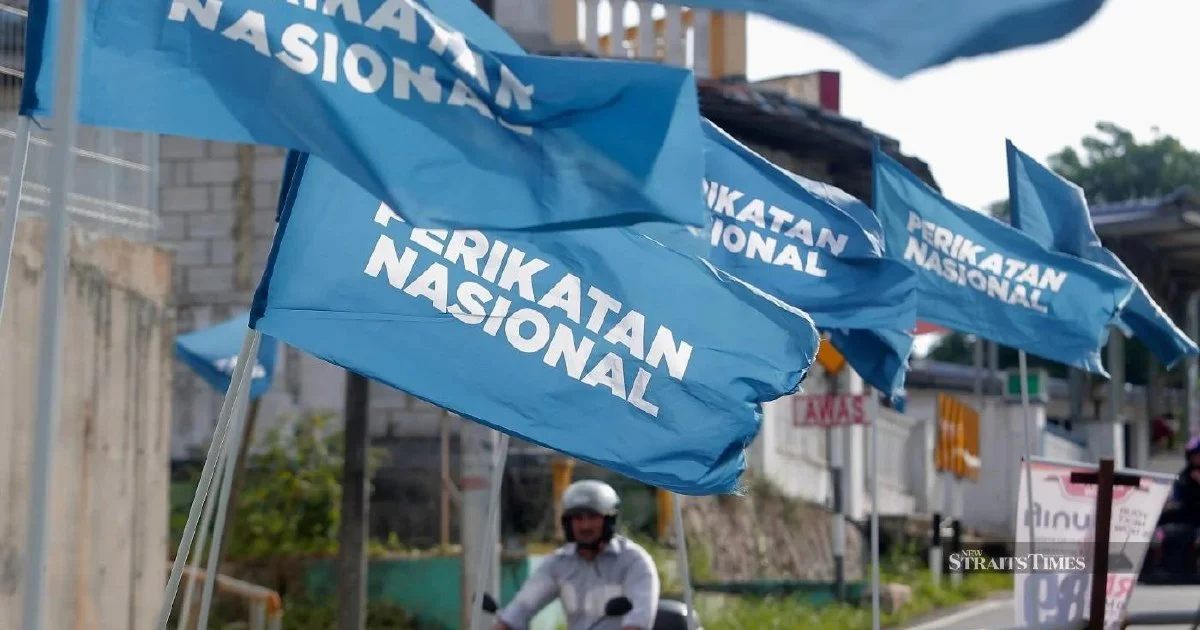
Coalition fragmentation remains among the greatest vulnerabilities for opposition alliances in Malaysian politics, a reality that appears to be shaping Perikatan Nasional's current strategy as it navigates the critical pre-election period before contests in Johor and Negri Sembilan. Political observers analysing PN's recent moves suggest the coalition is deliberately taking steps to preserve its partnership with Bersatu, recognising that internal discord could prove catastrophic to its electoral ambitions in these two strategically important states.
The timing of these state-level elections carries substantial weight for the entire PN coalition. Johor, historically a stronghold of United Malays National Organisation (UMNO) dominance but increasingly contested terrain, and Negri Sembilan represent crucial battlegrounds where PN could demonstrate its capacity to translate parliamentary gains into genuine state-level control. For a coalition still establishing itself as a credible governing alternative to the incumbent Pakatan Harapan, such electoral victories would provide legitimacy and momentum heading toward the next general election.
Bersatu's role within this alliance carries disproportionate significance given its position as the leading party in PN's federal parliamentary strength. The party, under Muhyiddin Yassin's leadership, has become integral to PN's claim to represent a distinct political alternative. However, the coalition has experienced friction points that could feasibly surface into public discord during sensitive election periods. Analysts note that maintaining visible unity becomes essential precisely when parties face the greatest temptation to position themselves individually for advantage.
The strategic calculation appears straightforward: a coalition collapse or even visible tensions just weeks before elections could depress voter turnout among opposition supporters, fragment campaign messaging, and provide government parties with ammunition to question PN's internal stability and governance readiness. Conversely, projecting cohesion and focused purpose enhances PN's ability to concentrate resources and messaging on attacking the incumbent government's record and articulating its alternative vision.
Malaysian political history demonstrates that coalition discipline tends to strengthen during election campaigns when parties recognise that individual short-term gains cannot compensate for losing together. The upcoming Johor and Negri Sembilan contests appear to be triggering precisely such calculus within PN, with senior figures apparently committed to shelving internal disagreements until after the polls conclude.
This approach reflects broader patterns in opposition politics across Southeast Asia, where coalitions frequently struggle with the tension between maintaining structural unity and accommodating member parties' diverse interests. PN's effort to compartmentalise internal debates suggests recognition that sophisticated voters increasingly expect governing alliances to demonstrate basic operational coherence.
For Bersatu specifically, remaining visibly integrated within PN during elections strengthens its negotiating position within the coalition's post-election architecture. A party that appears instrumental to electoral success can claim greater influence over cabinet positions, policy priorities, and resource allocation. Conversely, a coalition partner that appears sidelined or marginalised faces diminished prospects for beneficial internal restructuring.
The Johor and Negri Sembilan polls also matter considerably for Malaysian federalism and regional power distribution. These states have historically shaped national political trajectories. A significant PN performance would signal that the coalition has transcended its initial identity as primarily a vehicle for Muhyiddin's political rehabilitation and established roots as a geographically distributed political force. Such geographic spread strengthens any coalition's bargaining position in federal politics.
Analysts monitoring PN's statements and positioning note careful messaging emphasising coalition unity and shared electoral objectives. This rhetorical consistency, maintained across multiple party voices, suggests coordinated strategy rather than organic spontaneous agreement. The apparent discipline indicates party leadership has either negotiated understandings about public positioning or established clear expectations about acceptable discourse during this sensitive period.
Yet such temporary truces carry inherent fragility. They require active maintenance and can collapse suddenly when triggering events occur. Electoral outcomes themselves could destabilise the coalition if results diverge sharply from expectations or if particular member parties feel disadvantaged by results. Post-election negotiations over resources and representation frequently destroy the unity frameworks constructed during campaigns.
For Malaysian voters assessing PN's credibility as a governing alternative, the coalition's ability to maintain functional unity during this election period offers important signals. It demonstrates whether PN possesses sufficient institutional maturity and shared commitment to manage the coordination challenges that national governance demands. Conversely, any visible discord would reinforce perceptions of PN as personality-driven and structurally fragile.
The stakes extend beyond these individual state elections. Success would position PN advantageously for potential future government formation at the federal level, while reinforcing its claim to represent meaningful political change. Failure would potentially embolden government parties and complicate PN's medium-term political survival. This context explains why maintaining Bersatu's active participation and perceived commitment appears central to PN's current strategic calculus.

