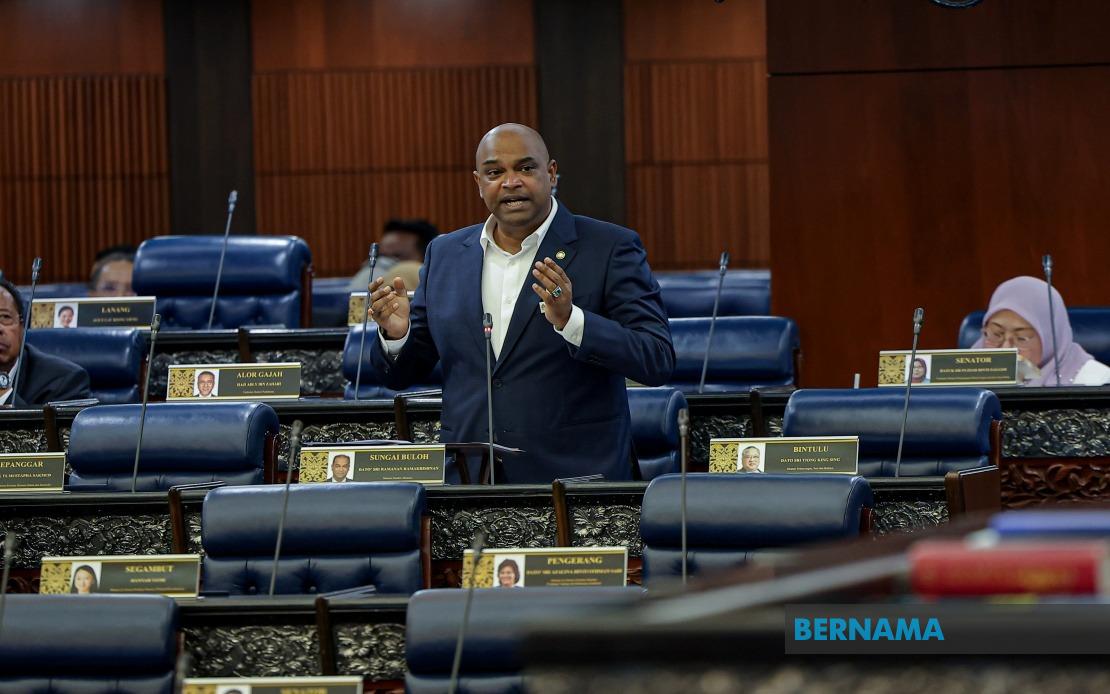
The Social Security Organisation (PERKESO) has demonstrated robust operational performance, maintaining an average compliance rate exceeding 96 per cent in processing claims and benefit payments throughout the previous year. This achievement, highlighted by Human Resources Minister Datuk Seri R. Ramanan during parliamentary proceedings, underscores the organisation's commitment to delivering timely and efficient services to its contributors across Malaysia.
PERKESO's operational framework underwent substantial enhancement with the introduction of more stringent Customer Charter standards last year. These benchmarks apply comprehensively across three major benefit schemes—LINDUNG Pekerja, LINDUNG Kendiri and LINDUNG Kasih—establishing clear timeframes that only commence once applicants have submitted all necessary documentation. The standardised approach ensures consistency in service delivery while providing contributors with transparent expectations regarding processing durations.
The organisation has differentiated its processing timelines based on the complexity and urgency of various claim types. Funeral Benefit and Temporary Disablement Benefit claims now operate on an accelerated two-day processing schedule, acknowledging the immediate financial pressures families face during bereavement or temporary incapacity. More complex claims involving permanent disablement, invalidity pensions, survivor benefits and dependent allowances require three days for thorough assessment and verification, balancing speed with the careful scrutiny necessary for long-term financial commitments.
Under the newer LINDUNG Kerjaya scheme introduced for 2025, PERKESO has tightened its service standards further, implementing a uniform two-day processing window across all benefit categories. This scheme achieved an impressive 99.68 per cent compliance rate, suggesting that streamlined procedures and enhanced focus yield measurable improvements in organisational performance. The distinction between schemes reflects PERKESO's tailored approach to different contributor categories and benefit complexities.
Digitalisation has emerged as a cornerstone of PERKESO's modernisation strategy. The LINDUNG Faedah PERKESO portal serves as a digital gateway enabling contributors to submit and monitor claims electronically, reducing bureaucratic friction and facilitating faster processing cycles. The implementation of the 1Best system represents a significant infrastructure upgrade, consolidating internal benefits processing functions and enhancing data management capabilities throughout the organisation.
Beyond portal development, PERKESO launched the PRIHATIN application to improve digital accessibility for contributors seeking information about available services and entitlements. This consumer-focused technology reduces barriers to understanding PERKESO offerings, particularly valuable for informal economy workers and self-employed individuals who may lack consistent workplace guidance. The application represents targeted investment in user experience rather than merely expediting backend processes.
Human capital remains integral to PERKESO's service model. The establishment of the Prihatin Squad (SPP) provides ground-level advisory services, offering direct assistance to contributors, beneficiaries and insured persons navigating claims procedures. This cadre of support officers bridges potential gaps between digital systems and individuals requiring personalised guidance, addressing the reality that some Malaysians—particularly elderly or less digitally-literate contributors—benefit from human interaction and explanation.
For workplace accidents and other emergency circumstances, PERKESO has implemented the INSPIRE System, which establishes direct connections between hospital systems and PERKESO's processing infrastructure. This integration accelerates the claims pathway by ensuring hospitals can transmit relevant medical documentation electronically, eliminating manual information transfer delays. In genuine emergencies, the organisation has simplified procedures to completion within 24 hours, recognising that accident victims and their families require rapid financial support.
Concern regarding fraudulent claims remains a legitimate policy consideration, particularly as benefit schemes distribute substantial public funds. PERKESO employs a multi-layered verification approach combining automated artificial intelligence screening with mandatory manual review. This hybrid methodology leverages technological efficiency for preliminary assessments while preserving human judgment as a quality control mechanism. The deliberate retention of manual verification suggests organisational philosophy that technological tools enhance rather than replace human oversight.
For Malaysian contributors, these improvements carry direct implications. The transparent processing timelines provide certainty regarding when financial support will arrive, crucial for workers managing household budgets around benefit payments. The expanded digital infrastructure accommodates Malaysia's increasingly tech-savvy workforce while the Prihatin Squad ensures older or less digitally-connected contributors remain served. Faster accident claim processing through hospital integration particularly benefits manual workers and construction sector employees experiencing frequent occupational injuries.
The achievement of 96% compliance represents incremental rather than transformative progress—substantial but acknowledging that roughly 4% of claims still miss target timelines. This figure likely reflects edge cases involving incomplete documentation, complex medical assessments, or exceptional circumstances requiring additional investigation. For comparison, LINDUNG Kerjaya's 99.68% rate suggests that newer, streamlined schemes may establish realistic benchmarks for broader organisational improvement over subsequent years.
REGIONAL context matters significantly. Malaysia's PERKESO system, built on Bismarck-model social insurance principles, differs fundamentally from contributions-based systems in neighbouring countries. The organisation's focus on processing speed and accessibility reflects understanding that informal economy workers—comprising substantial portions of Malaysia's workforce—depend on timely benefit payments for household survival. Operational improvements directly support economic resilience across lower and middle-income worker segments.

