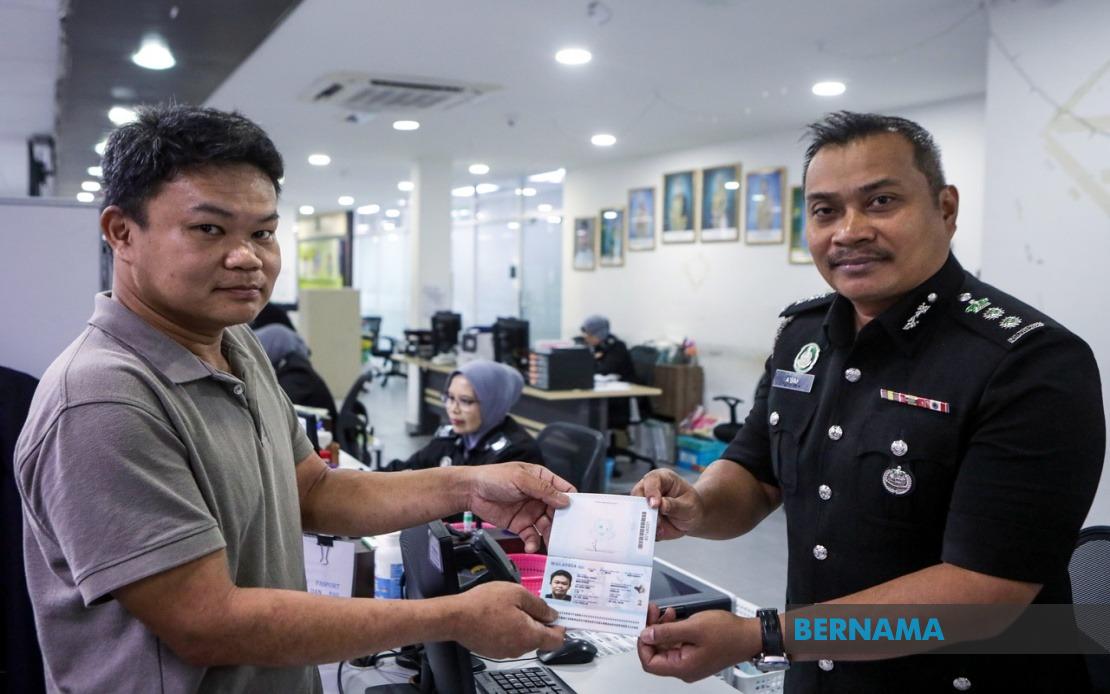
The Perlis Immigration Department commenced operations with the new Malaysian International Passport on July 20, introducing a significantly upgraded travel document designed to enhance security and provide Malaysian citizens with improved convenience and features. The rollout represents the regional implementation of a national initiative unveiled by Prime Minister Datuk Seri Anwar Ibrahim on June 30, which opened applications to eligible Malaysian adults from July 1 onwards. Citizens opting for the new document can select between five-year and ten-year validity periods, providing flexibility based on individual travel requirements and preferences.
The enhanced passport incorporates 94 distinct security features, substantially elevating protection against document fraud and forgery compared to its predecessor. These sophisticated safeguards reflect contemporary international standards for travel document security and demonstrate Malaysia's commitment to modernising its infrastructure for citizen services. The technological advancement becomes particularly significant as passport fraud and identity theft remain persistent concerns across Southeast Asia, making the strengthened security protocols a timely upgrade for the nation's travel documentation system.
Currently, the Perlis Immigration Office located within the Kangar Urban Transformation Centre serves as the sole facility capable of printing the new passport design. According to Perlis Immigration director Mohammad A'sim Md Ali, a second printing machine is planned for installation at the Perlis Ministry of Home Affairs Complex following necessary infrastructure upgrades. These renovation works on both the building and service counters are anticipated to conclude by October, enabling dual-site operations and reducing processing bottlenecks across the northern state.
The initial uptake in Perlis has been encouraging, with immigration officials reporting positive public reception on the first day of issuance. This favourable response suggests that citizens recognise the value proposition presented by the new passport, despite the transition requiring updated applications and documentation. The enthusiasm also indicates effective communication regarding the new document's benefits and the transition process, essential factors for any large-scale government service modernisation affecting millions of residents.
Statistics compiled by the Perlis Immigration Department between January 1 and July 17 reveal the considerable volume of travel-related document processing undertaken at the regional level. During this seven-month period, the department issued 31,722 travel documents overall, including 6,918 passports, 72 Restricted Travel Documents, and 24,732 Border Passes. These figures underscore the substantial demand for travel documentation services and illustrate the importance of maintaining efficient processing systems to serve the public effectively.
For Malaysian travellers, the new passport represents a substantive upgrade in several practical dimensions. Beyond the enhanced security architecture, the document incorporates contemporary design elements and improved durability characteristics. The extended validity option extending to ten years provides cost-benefit advantages for frequent international travellers, reducing the frequency of renewal applications and associated processing fees. These considerations reflect a broader governmental approach to enhancing citizen services through technological modernisation and expanded user choice.
The staggered deployment across immigration offices nationwide addresses capacity constraints while enabling systematic implementation and staff training. By establishing operational procedures and training protocols in initial locations before nationwide expansion, immigration authorities can refine processes, address technical issues, and ensure consistent service quality across all issuance points. This measured approach, while potentially creating temporary inconvenience for applicants in areas without immediate access to the new system, ultimately supports sustainable long-term service delivery.
The passport modernisation initiative carries particular significance for Southeast Asian citizens given the region's emphasis on travel facilitation and economic integration. Enhanced document security strengthens Malaysia's participation in regional and international security frameworks, potentially facilitating smoother border processing and improved recognition of Malaysian travel documents internationally. For Malaysian diaspora communities and frequent business travellers, the upgraded document provides tangible confidence in document authenticity and acceptance across destination countries.
The implementation timeline, with national launch on July 1 and regional rollout beginning July 20, reflects coordinated planning across government agencies. The June 30 official launch by the Prime Minister lent political endorsement to the initiative, emphasising its significance within the government's broader agenda of modernising public services and enhancing national infrastructure. This high-level visibility helped generate public awareness and encouraged early applications, contributing to the positive reception reported by Perlis authorities.
Looking forward, the completion of infrastructure upgrades at the Ministry of Home Affairs Complex in October will mark a significant expansion in processing capacity for the northern region. Dual printing facilities will substantially reduce waiting times and enable faster turnaround for citizens seeking the new passport. This capacity enhancement addresses anticipated demand surges as more Malaysian citizens transition to the upgraded document, particularly as awareness grows and older passports approach expiration dates requiring renewal.
The new Malaysian International Passport ultimately exemplifies how government modernisation initiatives can simultaneously enhance security, improve citizen convenience, and strengthen Malaysia's position within the international travel and commerce systems. As implementation expands across the country, the initiative will establish new benchmarks for passport security and service efficiency, setting precedent for future public service upgrades. For citizens across Malaysia, the transition to the new document represents access to travel credentials meeting contemporary international security standards while offering practical advantages through extended validity options and improved durability characteristics.

