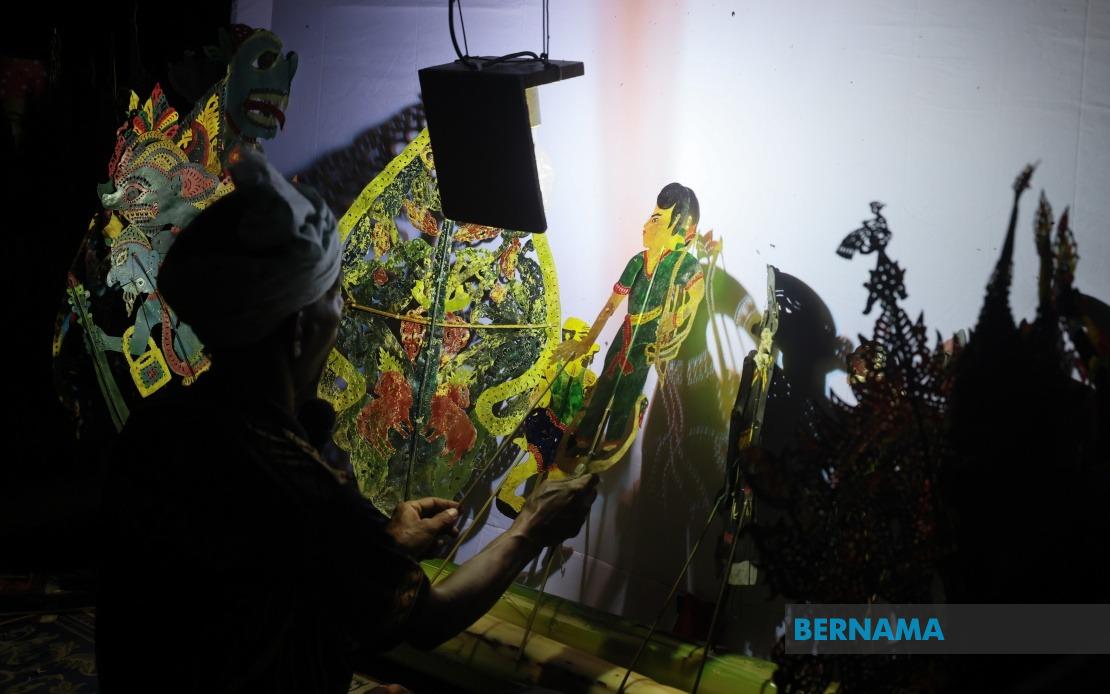
The centuries-old art of wayang kulit in Kelantan faces a precarious future despite steady public appetite, with administrative obstacles and a critical shortage of young apprentices now posing the greatest danger to this cherished cultural tradition. Practitioners in Kota Bharu say that while audiences remain receptive to the shadow puppet performances, the regulatory environment has become increasingly restrictive, making it harder to stage shows than ever before. The combination of permit difficulties and the absence of a new generation trained in this intricate craft threatens to reduce wayang kulit from a vibrant living tradition to a rapidly fading memory within the coming decades.
A veteran performer with three decades of experience articulated the core dilemma facing the art form during recent conversations in Kampung Kubang Rawa. He emphasised that securing official permission to perform has become demonstrably more burdensome in recent years, even as contemporary wayang kulit shows now fully comply with Sharia requirements and have eliminated the ritualistic practices historically associated with these performances. This modernisation reflects the art form's capacity to evolve while maintaining its cultural integrity, yet bureaucratic gatekeepers appear to regard it with suspicion nonetheless. The performer stressed that modern wayang kulit maintains its educational and entertainment value without any theological complications, addressing concerns that may have prompted stricter regulation.
The technical mastery required to execute wayang kulit demands years of dedicated training under accomplished mentors. Every gesture and movement performed by the intricately carved leather puppets must align precisely with the accompanying gamelan orchestra's rhythm and melody, a synchronisation that cannot be achieved through casual study or self-teaching. The performer explained that his own formation involved learning initially from his primary teacher, then continuing under the late Nafi Komando from Tanah Merah, followed by further study with the late Dollah Baju Merah, known formally as Abdullah Ibrahim. This lineage-based transmission of knowledge remains the only authentic pathway to mastery, making the current shortage of active students extraordinarily concerning.
Contemporary wayang kulit has successfully integrated modern sensibilities while preserving its core character. Performers deliberately weave contemporary social commentary and humorous elements into their dialogue to maintain relevance for audiences of all ages, particularly younger viewers who might otherwise dismiss the tradition as obsolete. Organisers frequently commission performances that incorporate specific campaigns or public messaging into the narrative structure, allowing wayang kulit to function as both entertainment and a vehicle for community education. This flexibility demonstrates that the art form possesses inherent capacity to remain culturally vibrant and socially pertinent, refuting arguments that modernisation inevitably diminishes artistic integrity.
Beyond entertainment value, wayang kulit serves profound didactic functions within Kelantan's communities. Each performance reinforces moral philosophical principles, illustrating through dramatic narrative that virtuous conduct attracts reward whilst wrongdoing inevitably brings consequences. The Ramayana stories performed in Kelantan adapt the classical Sanskrit epic specifically for local audiences through linguistic choices, performance delivery methods, and value systems reflective of the region's cultural priorities. This contextualisation transforms ancient narratives into living commentary on contemporary ethical challenges, making wayang kulit genuinely relevant to successive generations rather than merely preserving archaeological artefacts of history.
The apprenticeship system itself embodies values that extend beyond technical instruction. Established practitioners emphasise the spiritual and moral dimensions of learning, stressing that students must cultivate deep respect for their teachers and elders whilst maintaining humility throughout their training journey. Arrogance or dismissive attitudes toward mentors represent fundamental breaches of the cultural protocol governing wayang kulit transmission. This philosophical framework has historically ensured that only seriously committed individuals pursued mastery, maintaining high standards. However, contemporary younger Malaysians increasingly lack exposure to these values and the performative arts generally, making recruitment of new apprentices extraordinarily difficult.
Demographic realities underscore the urgency of the current situation. Only three senior practitioners remain actively performing in Kelantan, representing a dramatic contraction from the vibrant community of master artists that existed merely decades ago. Most of the older generation has passed away, taking their irreplaceable knowledge with them. Without intervention, this decline will accelerate exponentially as remaining masters age and potentially leave the art form entirely bereft of living practitioners. The window for training successors before all current masters become unable to teach grows narrower with each passing year, making immediate action essential for cultural survival.
The crisis reflects broader challenges facing traditional Malaysian arts across all regions and disciplines. Market economics increasingly disadvantage performance-based cultural practices that cannot easily generate commercial revenue streams comparable to modern entertainment industries. Government support mechanisms, whilst important, have not scaled adequately to address the systemic vulnerability of inherited artistic traditions. Educational curricula rarely incorporate serious exposure to classical wayang kulit, leaving younger Malaysians culturally illiterate regarding their own heritage. This structural neglect creates generational discontinuity that monetary support alone cannot easily remedy.
Practitioners and cultural advocates now appeal to government agencies and relevant authorities for sustained intervention that moves beyond occasional financial assistance. They seek streamlined permit systems that acknowledge wayang kulit's cultural legitimacy and encourage rather than obstruct performances. They call for educational partnerships that introduce students to the art form during formative years. They request structured mentorship programmes that facilitate apprenticeship by providing stipends and formal recognition for both master artists and dedicated students. Most fundamentally, they seek societal acknowledgment that wayang kulit represents invaluable cultural property deserving protection comparable to that afforded other national heritage assets.
The preservation challenge extends beyond Kelantan to encompass Malaysia's broader cultural ecosystem. Wayang kulit traditions flourish across multiple states including Terengganu, Kedah, and Perlis, each maintaining distinctive regional styles and performance conventions. Yet all face similar pressures regarding permit administration, apprentice recruitment, and economic sustainability. Addressing the Kelantan situation provides an opportunity to develop comprehensive policy frameworks that could benefit the entire tradition across the peninsula. Strategic investments in wayang kulit apprenticeship schemes, dedicated performance venues, and streamlined regulatory pathways would simultaneously address immediate survival threats and signal government commitment to preserving living cultural traditions amid rapid modernisation.
Cultural continuity requires deliberate action rather than assuming heritage naturally perpetuates itself. Wayang kulit possesses extraordinary resilience, having survived centuries of social transformation and adapted successfully to contemporary Malaysian contexts. Yet cultural survival cannot be guaranteed through resilience alone when systemic obstacles prevent practitioners from performing and young people lack meaningful opportunities to learn. The coming years will determine whether Kelantan's wayang kulit remains a flourishing tradition practiced by successive generations or gradually diminishes into historical memory preserved only in academic archives and cultural documentation.

