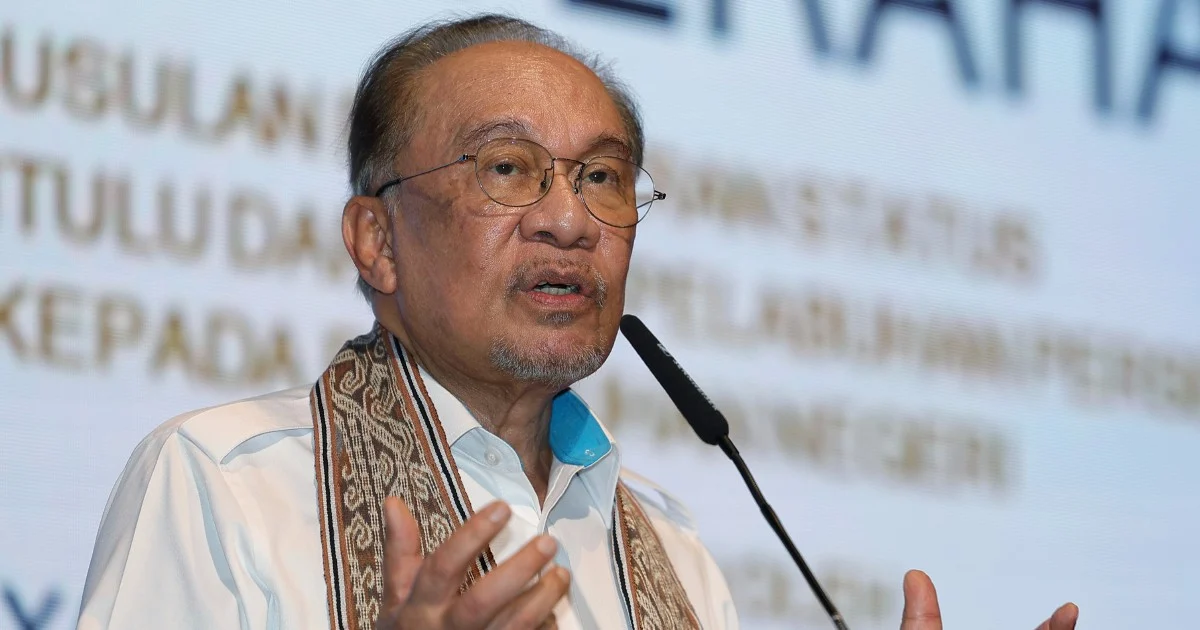
Prime Minister Datuk Seri Anwar Ibrahim delivered an upbeat assessment of ongoing discussions between Petronas and Petros during a visit to Kuching, indicating that the negotiations between Malaysia's two major oil and gas entities are yielding constructive results. His remarks come at a critical juncture for the petroleum sector, as both companies have navigated complex questions around operational jurisdiction, resource allocation, and revenue sharing arrangements that have shaped Malaysia's energy landscape for decades.
The bilateral engagement between the national oil company Petronas and Petros, which operates under Sarawak state authority, represents an important regulatory and commercial alignment effort. These talks have carried significant weight given Petronas's historical role as the primary operator across Malaysia's offshore petroleum blocks and Petros's growing ambitions to expand its footprint in Sarawak's energy sector. The prime minister's confirmation of positive traction suggests both entities are finding common ground on mechanisms that could streamline decision-making and reduce operational friction.
For Malaysian readers and the broader Southeast Asian energy market, this development carries practical implications. Petronas maintains substantial interests across multiple ASEAN nations through its regional and international operations, making internal governance improvements relevant to Malaysia's standing as a significant hydrocarbon producer. The resolution of domestic institutional challenges between Petronas and Petros can potentially unlock efficiency gains that translate into more competitive operations and improved project execution timelines for new ventures.
The nature of these negotiations touches on constitutional and commercial dimensions that observers have long tracked. Sarawak's petroleum interests have remained a point of federal-state economic negotiation, with Petros seeking greater autonomy and commercial viability in managing the state's hydrocarbon resources. Petronas, meanwhile, has maintained technical and operational dominance across most Malaysian offshore fields. Progress in talks suggests both institutions are exploring frameworks that respect these historical positions while creating space for expanded cooperation.
The timing of Anwar's statement reflects the government's broader agenda of national economic integration and resource optimisation. In recent years, Malaysian policymakers have emphasised the importance of aligning state-owned enterprises around shared strategic objectives, particularly in industries where Malaysia holds competitive advantages. The energy sector, facing global energy transition pressures and fluctuating commodity cycles, requires institutional agility and unified strategic direction to maintain productive capacity investments and explore renewable energy transitions.
Regionally, any breakthrough between Petronas and Petros carries secondary significance for ASEAN energy security discussions. As Southeast Asia navigates questions around hydrocarbon demand forecasting and the pace of energy transition, Malaysia's ability to maintain stable, well-governed energy production capacity matters for regional energy access and price stability. Enhanced coordination between Petronas and Petros could contribute to more predictable investment cycles and sustained operational performance across Malaysian production facilities.
Anwar's comments also reflect engagement with Sarawak's political leadership and economic interests. The state has remained mindful of protecting its resource sovereignty while recognising the practical advantages of collaboration with Petronas's technical expertise and global commercial networks. The positive assessment suggests negotiating teams have been working through substantive issues rather than exchanging preliminary positions, a sign that both sides view productive compromise as achievable.
The energy transition presents an additional backdrop to these negotiations. As global energy markets undergo structural shifts toward renewable sources and reduced hydrocarbon demand, both Petronas and Petros face questions about long-term strategic positioning. Enhanced institutional alignment could facilitate joint planning around portfolio diversification, including potential renewable energy initiatives and downstream value-creation opportunities that extend beyond traditional crude oil and natural gas production.
From a capital markets perspective, Malaysian investors have closely watched developments between these entities, as institutional coherence at the state-owned enterprise level influences dividend flows, debt ratings, and investment capacity. The positive progress Anwar outlined could translate into clearer strategic signalling for fund managers tracking Petronas's financial performance and investment prospects. Clarity around operational authority and decision-making processes reduces regulatory uncertainty that can affect financial planning and shareholder communications.
Looking forward, the substantive content of any eventual agreement will merit close scrutiny. Observers will assess whether negotiations have produced binding operational guidelines, dispute resolution mechanisms, or revenue-sharing adjustments that materially affect how both companies conduct business. The strength of any arrangement will depend on whether it creates durable institutional structures capable of withstanding future commercial disagreements or political pressure.
Anwar's public confirmation of progress serves multiple functions: it signals to investors and trading partners that Malaysia's energy sector maintains institutional stability, it demonstrates federal-state cooperation on economically significant matters, and it reflects the government's commitment to resolving long-standing structural questions within the energy establishment. The coming months will reveal whether this positive momentum translates into a formal framework that reshapes how Petronas and Petros coordinate activities, share information, and pursue joint commercial opportunities across Malaysia's energy frontier.

