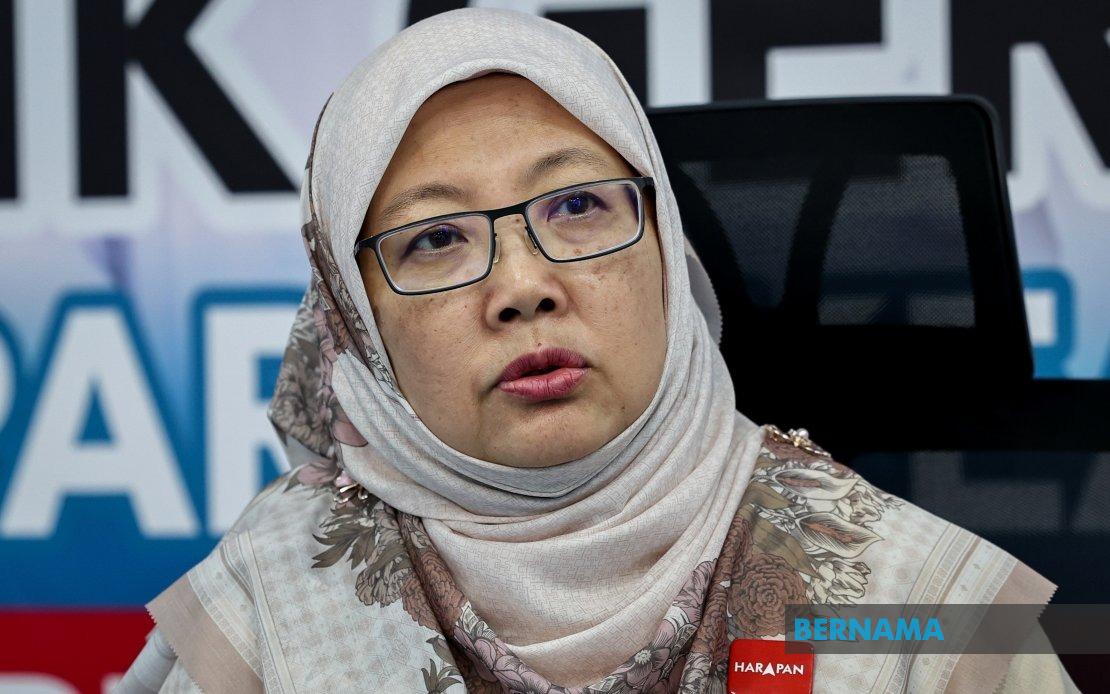
Pakatan Harapan has formally pledged its commitment to upholding the Johor State Constitution 1895 and preserving the Sultan of Johor's established constitutional prerogative to appoint the Menteri Besar, should voters grant the coalition the mandate to form the next state government. The declaration comes as campaigning intensifies ahead of the Johor state election, with the coalition signalling that institutional respect and constitutional propriety will guide its approach to governance in the southern state.
Johor PKR chairman Datuk Seri Dr Zaliha Mustafa articulated PH's position in a carefully worded statement, emphasising that the coalition views the matter as settled within the existing constitutional framework. She stressed that rather than making the appointment process a centrepiece of its electoral campaign, PH intends to direct public attention towards substantive policy offerings that directly address the concerns of ordinary Johoreans. This strategic choice reflects a broader understanding that voters are primarily concerned with practical solutions to their daily challenges rather than the machinery of executive appointments.
The timing of PH's clarification is noteworthy, coming in response to remarks by incumbent Johor Menteri Besar Datuk Onn Hafiz Ghazi, who had publicly urged PH to pre-announce its candidate for the Menteri Besar position ahead of the election. Such transparency demands have become common in Malaysian electoral politics as coalitions attempt to project clarity about their leadership plans. However, PH's response indicates the coalition believes it can maintain electoral momentum without surrendering the procedural flexibility that traditionally accompanies campaigns in Malaysia's constitutional monarchy system.
Dr Zaliha's assertion that PH possesses multiple capable and experienced leaders qualified to administer Johor underscores the coalition's confidence in its bench strength. Rather than elevating a single figure as the presumptive choice, the coalition's position allows it to assess the post-election landscape, consult with relevant stakeholders, and present recommendations to the Sultan in accordance with constitutional norms. This approach preserves the monarchy's prerogative while maintaining internal coalition flexibility regarding candidate placement across state and federal leadership positions.
The constitutional architecture that PH has reaffirmed reflects Malaysia's unique political system, where the Yang di-Pertuan Agong and state Sultans retain significant ceremonial and discretionary powers despite operating within a democratic framework. In Johor specifically, the Sultan's role in appointing the chief executive derives from the state's historical constitutional arrangements and has been a defining feature of Johor's governance model. By voluntarily emphasising this arrangement, PH attempts to position itself as respectful of constitutional traditions while simultaneously pursuing democratic electoral legitimacy.
For Malaysian observers familiar with regional politics, PH's position reveals strategic thinking beyond the immediate campaign cycle. The coalition appears to anticipate that highlighting constitutional propriety could appeal to constituencies concerned with institutional stability and monarchical respect. Particularly in a state like Johor, where the sultanate commands considerable public affection and constitutional significance, demonstrating deference to royal prerogatives carries political weight. This positioning may be designed to neutralise potential attacks from opponents who might otherwise claim that PH harbours republican or anti-monarchical tendencies.
The substance of PH's campaign focus—as articulated by Dr Zaliha—centres on practical governance matters including living standards enhancement, employment creation, and economic advancement. Rather than debating constitutional niceties, the coalition wants dialogue with voters about specific initiatives that would materially improve daily life. This emphasis on bread-and-butter issues reflects lessons learned from previous Malaysian elections, where tangible policy platforms often resonate more powerfully than abstract institutional debates, particularly among working-class and middle-income households.
From a Southeast Asian perspective, Johor's political evolution carries significance beyond its state boundaries. As Malaysia's most economically dynamic state and a crucial component of broader regional economic frameworks including those involving Singapore and other neighbours, Johor's governance quality directly influences regional stability and prosperity. PH's commitment to constitutional governance and institutional respect thus has implications extending beyond state-level politics, contributing to the broader narrative of democratic maturity and institutional reliability that investors and regional partners consider when evaluating the Malaysian polity.
The opposition's implicit challenge—that coalitions should pre-announce leadership decisions—raises enduring questions about democratic accountability and voter choice. While transparency regarding leadership intentions carries merit, PH's resistance suggests the coalition values the flexibility to respond to election outcomes and engage in post-ballot coalition negotiations. This tension between pre-election clarity and post-election flexibility remains a recurring feature of Malaysian electoral politics, reflecting different philosophical approaches to how democratic mandates should be configured and exercised.
Looking forward, PH's reaffirmation of constitutional respect may influence how subsequent coalition announcements are framed. If the coalition succeeds in Johor, the Menteri Besar appointment process will demonstrate whether PH's pledge translates into genuine procedural respect or merely represents campaign rhetoric. The approach adopted will likely set precedents influencing how future Malaysian coalitions navigate the relationship between democratic electoral mandates and constitutional monarchical prerogatives, particularly in states where sultans retain meaningful appointment authority.

