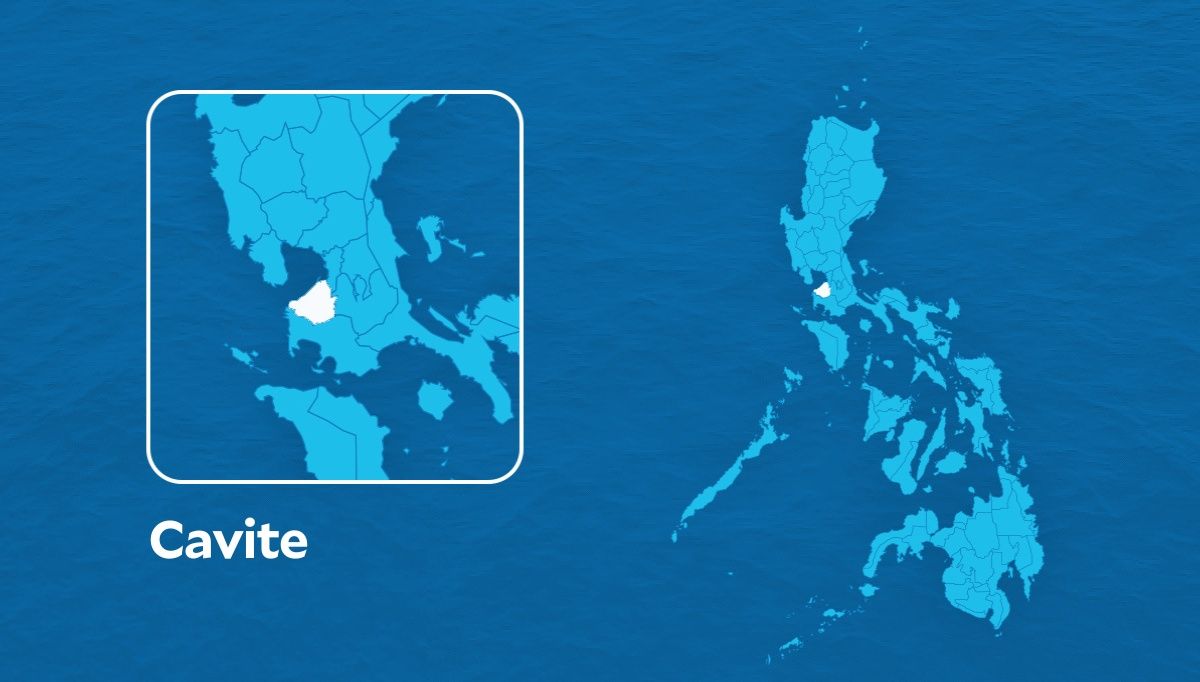
A planned school shooting in the Philippines has been averted through the coordinated response of educational authorities, police, and community officials. The foiled plot centred on a Grade 10 student in General Mariano Alvarez, Cavite, who allegedly planned to carry out violence at his school on July 2. The Cavite Police Provincial Office announced the successful intervention on Tuesday, June 30, crediting the swift action of vigilant school administrators and law enforcement for preventing what could have become a tragedy.
The investigation began when educators at General Mariano Alvarez Technical High School (GMATHS) discovered concerning communications suggesting violent intent. According to reporting by a Manila-based news organisation, a teacher uncovered online messages in which the student outlined plans for a shooting incident. School officials immediately escalated the matter to law enforcement authorities rather than handling it internally, triggering a rapid police response that proved crucial in containing the threat.
The Cavite Police Provincial Office worked methodically to verify the initial report and coordinate with the student's family and local barangay administrators. This multilayered approach resulted in the discovery and seizure of an improvised, unregistered firearm that the student had apparently obtained. The recovery of the weapon represents a critical juncture in preventing the alleged plot from advancing beyond the planning stage to actual violence.
Because the suspect is a minor, Philippine law protects his identity from public disclosure. In keeping with the Juvenile Justice and Welfare Act, the student was transferred to the Municipal Social Welfare and Development Office for appropriate psychological and social intervention rather than being processed through the adult criminal system. This approach reflects the Philippine legal framework's emphasis on rehabilitation for young offenders, though investigations into potential charges under applicable statutes remain ongoing.
The incident underscores growing concerns about youth access to firearms and online radicalisation in the Philippines and across Southeast Asia. School violence, though not as prevalent as in some countries, has emerged as a periodic concern for educational administrators and policymakers. The July 2 target date suggested by investigators indicates the student may have been planning the attack during a school day, which could have resulted in casualties among both peers and staff members.
Security experts and school administrators across the region have begun implementing threat assessment protocols and improved coordination with local police in response to emerging risks. The successful intervention in Cavite demonstrates the effectiveness of such systems when properly executed. The combination of attentive educators, responsible reporting procedures, and responsive police work created barriers that prevented the alleged perpetrator from carrying out his plans.
The case also highlights broader questions about online safety and the role of digital platforms in facilitating dangerous communications among adolescents. The discovery of the student's plans through social media monitoring suggests that many potential threats leave digital footprints that can be detected through vigilant observation. Schools increasingly face the challenge of monitoring student online activity while respecting privacy boundaries, a tension that remains unresolved in Philippine policy frameworks.
Police authorities have emphasised the critical importance of public cooperation in preventing violence, urging residents and school staff to report suspicious activity without delay. The Cavite Police Provincial Office specifically commended GMATHS officials for their professionalism and swift action, positioning their response as a model for other institutions. The force pledged continued commitment to proactive policing and community protection throughout educational facilities in the region.
Authorities also issued guidance to the public regarding the legal responsibilities surrounding information disclosure in cases involving minors. The Philippine legal system requires that children's identities be protected in criminal investigations, and media organisations and citizens face legal consequences for breaching this confidentiality. Police encouraged the public to report threats to authorities rather than sharing unverified information through social media, which can interfere with investigations and compromise legal proceedings.
The incident occurs within a broader context of Philippine security challenges, including illegal firearm proliferation and youth involvement in criminal activity. The recovery of an improvised weapon suggests that even without access to commercially manufactured firearms, individuals intent on violence may fabricate functional weapons using available materials. This reality complicates prevention efforts and underscores the necessity for comprehensive threat assessment and psychological evaluation of individuals expressing violent ideation.
Moving forward, the case may prompt educational authorities nationwide to review their threat assessment procedures and police coordination protocols. The success of the Cavite intervention offers valuable lessons for other schools seeking to balance student safety with appropriate oversight mechanisms. Philippine policymakers may also consider whether additional legislation addressing youth firearm access or online content moderation is warranted, though such measures remain politically sensitive.

