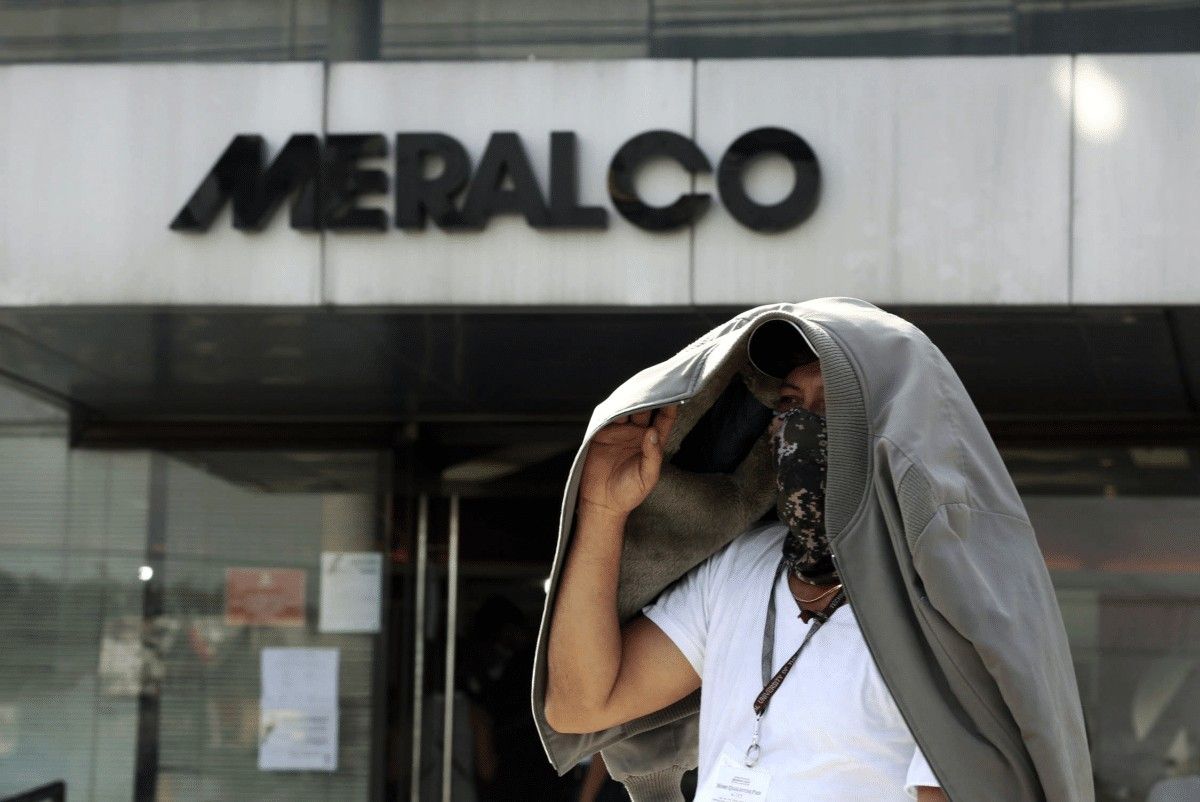
The Philippines' largest power distributor, Manila Electric Company (Meralco), has been directed by the national energy regulator to refund approximately ₱9.5 billion to its millions of customers, offering relief from the sustained high electricity costs that have burdened households and businesses across the archipelago. The Energy Regulatory Commission (ERC) issued its order on July 31, mandating that the refund be implemented within a six-month timeframe as a distinct credit line appearing directly on consumer electricity bills, with actual disbursement commencing in the next billing cycle following official receipt of the ruling.
The refund translates to a rate reduction of ₱0.3449 per kilowatt-hour (kWh), according to ERC chair and chief executive officer Francis Saturnino Juan. This credit mechanism ensures that the reimbursement reaches ordinary households and commercial consumers transparently, rather than being absorbed into general accounting processes. The approach reflects the regulator's commitment to making the correction visible and meaningful to the 6.7 million customer accounts Meralco serves across Metro Manila and nearby regions.
The ₱9.5 billion refund addresses what regulators term an "over-recovery" by Meralco during the lapsed period spanning January through December 2025. A lapsed period refers to the interim phase when a regulated utility continues charging customers under rates established during the previous rate reset cycle, pending completion of a new rate adjustment process. During these intervals, which can extend several months or longer, utilities operate under tariffs that may no longer accurately reflect current operational costs, yet consumers continue paying based on outdated figures.
Understanding the mechanics of this situation provides crucial context for Malaysian readers familiar with energy sector regulation. Under the ERC's regulatory framework, major power distributors like Meralco must periodically submit comprehensive filings detailing their operational expenditures, capital investments, and service expansion plans, typically covering a five-year regulatory period. The ERC then reviews these submissions and establishes new rate levels intended to recover the utility's legitimate costs while allowing reasonable returns. However, gaps inevitably occur between the expiration of one regulatory period and the effective date of the next approved rates, during which the old rates remain in effect.
Meralco collected revenues during 2025 based on rates from the preceding regulatory cycle, but the company's actual operational circumstances—including inflation, increased fuel costs, and infrastructure investments—had evolved. Once the ERC completed its evaluation and determined what rates should have applied, it became apparent that consumers had been charged more than necessary during the interim period. The regulator determined that interest accrual on this over-recovery should also be included in the refund calculation, a decision reflecting the ERC's view that Meralco essentially held consumer funds that should have been credited to accounts months earlier.
The significance of this refund extends beyond mere numbers. The Philippines has grappled with electricity pricing that ranks among the highest in Southeast Asia, constraining industrial competitiveness and household purchasing power. Large manufacturers have increasingly relocated production to neighbouring countries with lower energy costs, while residents throughout Metro Manila have absorbed electricity bills that consume substantial portions of middle-class household budgets. In this context, a ₱9.5 billion correction, though substantial, addresses only a portion of underlying cost pressures.
The refund order also carries broader implications for regulatory frameworks across the region. Malaysia's own energy regulatory processes, overseen by the Energy Commission and regional state authorities, operate under different structures but face comparable challenges in managing utility profitability against consumer affordability. The Philippine case demonstrates how regulatory agencies worldwide must navigate the tension between ensuring utilities can fund necessary infrastructure while preventing overcharges during transitional periods.
Meralco's rate reset process itself underscores these complexities. The company must justify every significant expenditure category, from fuel procurement and maintenance to technology investments and debt servicing, while the ERC applies its own analytical standards to evaluate reasonableness and necessity. These proceedings typically extend over many months, creating inevitable gaps where existing rates remain in effect despite changed circumstances. The ERC's decision to include interest costs in the refund acknowledges that delays in correcting rates effectively transfer wealth from consumers to the utility.
For Philippine consumers, implementation through a billing line item provides practical benefits. Rather than receiving lump-sum payments that might require complex distribution mechanisms, customers will see credits applied directly to their September or October bills, depending on when Meralco's next billing cycle begins. This approach addresses a persistent challenge in utility regulation: translating regulatory decisions into tangible consumer benefits that people can readily understand and verify on their own bills.
The refund decision may also influence Meralco's behaviour in future rate adjustment submissions. Knowing that the ERC actively examines lapsed periods and corrects over-recoveries, the utility faces incentives to ensure its filings are thorough and its cost projections are defensible. The inclusion of interest on over-recovered amounts creates additional motivation for timely rate adjustments.
Looking forward, the success of this implementation will depend partly on consumer awareness. Many Meralco customers may not understand why their bills suddenly show a credit, potentially missing the opportunity to adjust their electricity budgeting accordingly. The ERC and Meralco would serve consumers well by clearly explaining the refund's origins and magnitude through bill inserts and public communications.
The broader context remains that while ₱9.5 billion represents meaningful relief, structural factors driving Philippines electricity costs—including the nation's dependence on expensive imported fossil fuels, substantial infrastructure development requirements, and historical underinvestment in renewable capacity—suggest that rate pressures will persist. This refund addresses past overcharging, but future affordability will depend on accelerating renewable energy deployment and improving grid efficiency across the archipelago.

