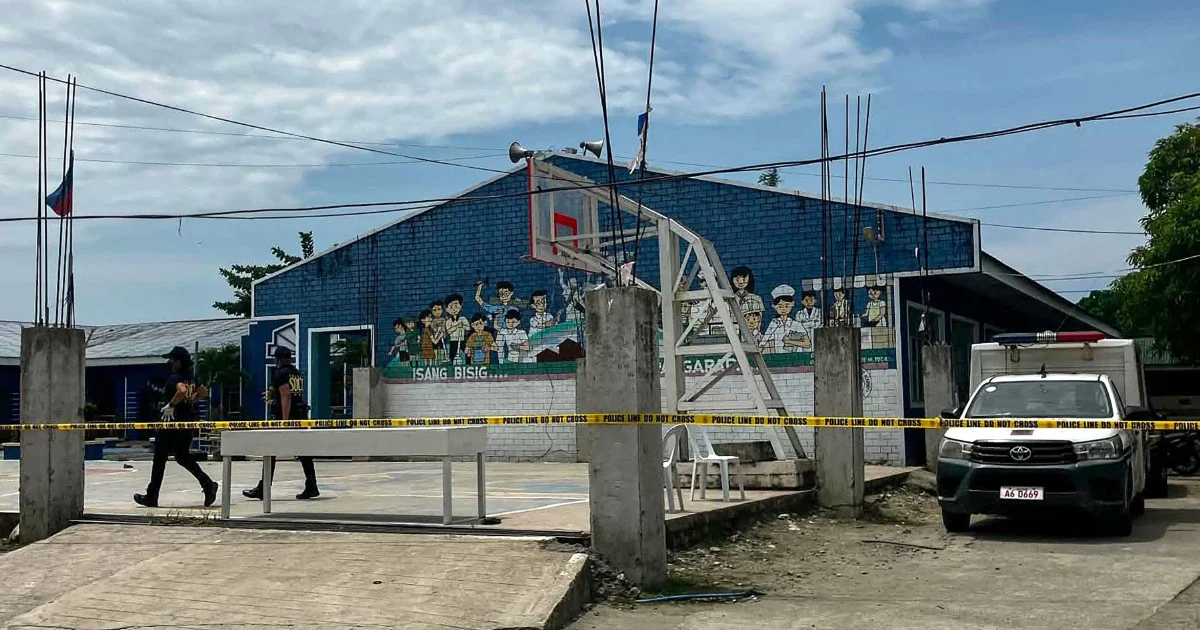
Philippine President Ferdinand Marcos Jr. has initiated a full-scale investigation into a shooting incident at a Tacloban school that resulted in three fatalities and five injuries, signaling high-level government attention to the violence.
The incident represents a deeply concerning development in school security across the Philippines, a nation where civilian gun ownership has long been subject to strict regulatory frameworks yet where illegal firearms remain a persistent problem in certain communities. Tacloban, the capital of Leyte province in the Visayas region, has faced various challenges with public safety in recent years, making this particular incident a flashpoint for broader discussions about gun violence in educational settings and community security measures.
Presidential intervention at this level underscores the gravity with which the administration views the attack. President Marcos Jr.'s directive to investigate suggests that officials are treating the shooting not as an isolated criminal matter but as an event warranting executive scrutiny. Such investigations typically encompass examination of how the shooting occurred, whether security protocols at the institution were adequate, the background and motivations of the perpetrator or perpetrators, and gaps in law enforcement response that may have allowed the incident to unfold.
For Malaysian readers and regional observers, the Philippines' ongoing struggle with gun violence in sensitive locations like schools reflects challenges that extend throughout Southeast Asia. While Malaysia maintains relatively stringent firearm regulations and has not experienced mass shootings in schools at comparable frequency, the incident in Tacloban serves as a reminder of how neighbouring countries manage public safety and the varied effectiveness of different regulatory approaches. The event also illustrates how school safety remains a critical concern across the region, particularly as nations grapple with transnational crime networks and the proliferation of illegal weapons.
The five injured individuals require medical attention and recovery support, while families of the three victims face devastating loss. These human dimensions of the tragedy extend beyond immediate casualty figures to encompass psychological trauma affecting students, educators, and the broader school community. The incident will inevitably influence how educational institutions in Tacloban and possibly across the Philippines review and strengthen their security postures moving forward.
The presidential investigation likely encompasses coordination between Philippine National Police investigators, the Bureau of Investigation under the Philippine National Police Criminal Investigation and Detection Group, and possibly intelligence agencies seeking to understand whether the shooting was an isolated act or potentially connected to organised crime or extremist activity. Such multi-agency scrutiny is standard in high-profile cases where the circumstances remain unclear and public concern is elevated.
School shootings in the Philippines are comparatively rare relative to some other nations, yet each incident generates substantial concern given the vulnerability of the educational setting and the presence of large numbers of children. The Tacloban shooting will likely prompt discussions within the Department of Education regarding standardised safety protocols, security personnel deployment, emergency response procedures, and coordination with local law enforcement. Implementation of such measures requires both financial investment and careful calibration to ensure schools remain welcoming learning environments while appropriately secure.
The investigation's findings will be significant not only for accountability purposes but also for informing policy responses. Whether the shooter possessed the firearm legally, obtained it through black market channels, or accessed it from another person will shape how policymakers address preventive measures. Similarly, understanding whether the attack was motivated by personal grievance, gang activity, or other factors will influence the nature of recommended interventions ranging from mental health services to community policing initiatives to stricter licensing enforcement.
For the Philippines more broadly, this incident arrives during a period when the administration has prioritised various security initiatives. The investigation represents both a test of institutional capacity and an opportunity to demonstrate commitment to protecting educational spaces. International attention to such events, while sometimes casting developing nations in unfavourable light, can also catalyse improvements in security infrastructure and professional standards within law enforcement and school administration.
Tacloban residents and particularly those connected to the affected school community will anxiously await investigation results and any policy responses that emerge. The collective experience of such trauma often catalyses civic engagement around safety issues and may foster dialogue between school officials, parents, law enforcement, and municipal government about comprehensive approaches to prevention. How the Philippine government executes this investigation and what remedial actions follow will significantly influence public confidence in institutional competence during crises.

