Parti Keadilan Rakyat moved swiftly this week to distance itself from businessman Datuk Seri Nicky Liow Soon Hee, formally confirming through its internal membership records that the entrepreneur has never held party status and possesses no intention to do so. The clarification came after photographs surfaced online depicting Liow in apparel associated with Angkatan Muda Keadilan, the party's youth wing, sparking speculation across social media platforms that he maintained formal ties to the PKR.
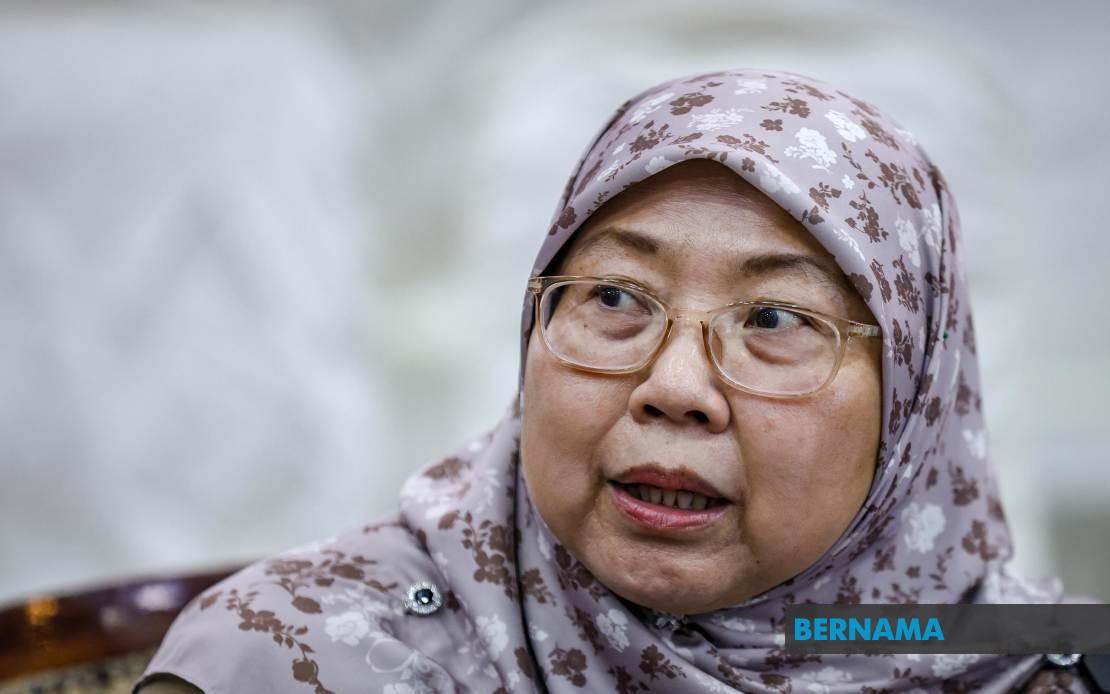
PKR secretary-general Datuk Dr Fuziah Salleh issued the statement following a comprehensive verification process conducted through the party's official KEADILAN Membership System. The verification exercise revealed not merely that Liow currently stands outside the party's membership rolls, but that no application for membership has ever been lodged in his name. This distinction proves significant, as it rules out any possibility that his application might be under consideration or pending approval through normal party channels.
The timing of PKR's public denial reflects growing sensitivity among political parties regarding their public associations, particularly when individuals face serious legal proceedings. Liow's recent legal entanglements have drawn considerable public attention and media scrutiny, making any perceived affiliation with established political organisations a matter of reputational concern. By issuing a formal denial rather than allowing speculation to persist, PKR sought to prevent further damage to its public standing.
The businessman faces substantial charges in the Shah Alam Sessions Court related to allegations of involvement in organised criminal operations commonly referred to as the "Nicky Gang," alongside separate money laundering accusations. These legal matters have elevated his public profile considerably, transforming what might otherwise be a private business matter into territory of acute political sensitivity. The nature of these allegations makes any connection to legitimate political parties particularly problematic from a governance perspective.
The photograph that triggered the social media speculation served as the catalyst for PKR's defensive response. Images circulate rapidly across Malaysian digital platforms, and without prompt official comment, such photographs can generate false narratives that acquire the patina of truth through repetition and algorithmic amplification. PKR's decision to conduct formal checks and issue an explicit public statement demonstrates how political organisations now must respond almost instantaneously to online claims that could damage their institutional credibility.
This incident illustrates broader patterns in Malaysian politics whereby business figures, particularly those with complex financial profiles or legal complications, occasionally surface in photographs at political events or wearing party merchandise. Such appearances frequently generate assumptions about formal party membership that require careful clarification. Political parties maintain strict membership registers, and the distinction between a photograph taken at a public event and actual party affiliation remains significant from both legal and governance perspectives.
Fuziah's statement carries particular weight given her position overseeing party administration and membership affairs. Her confirmation that no application exists in the KEADILAN system provides documentary authority that transcends mere verbal denial. Malaysian political parties, like their counterparts globally, maintain rigorous membership databases for multiple reasons: internal governance, voting eligibility, candidate selection, and legal liability. These systems create an official record that can be consulted to verify membership claims with considerable certainty.
The swift nature of PKR's response reflects lessons learned across Southeast Asian politics regarding the velocity of online misinformation. Malaysian political culture has experienced numerous instances where false claims about party membership have circulated with troubling persistence, particularly when they involve figures engaged in legal disputes or business controversies. By addressing the matter within days rather than weeks, PKR minimised the period during which false perceptions could harden into accepted conventional wisdom among the broader public.
For Malaysian observers of political affairs, this episode underscores the increasing complexity of managing institutional reputation in an era of digital communication. Photographs lack context, and their circulation across social media removes them from their original settings and circumstances. A person might wear party merchandise at a public gathering, attend a fund-raising event, or participate in community activities with partisan connections without necessarily holding formal party membership. The explosion of such images across platforms necessitates that political organisations develop rapid-response capabilities to clarify genuine membership status from incidental associations.
The broader implications extend beyond PKR's immediate interests. Malaysian political parties increasingly require mechanisms to verify and publicly confirm the status of individuals in response to public claims. This need reflects both the democratisation of information—whereby anyone can make claims about anyone else on social platforms—and the importance that formal party affiliation carries for questions of governance, accountability, and institutional credibility. Moving forward, such clarifications may become more routine rather than exceptional.

