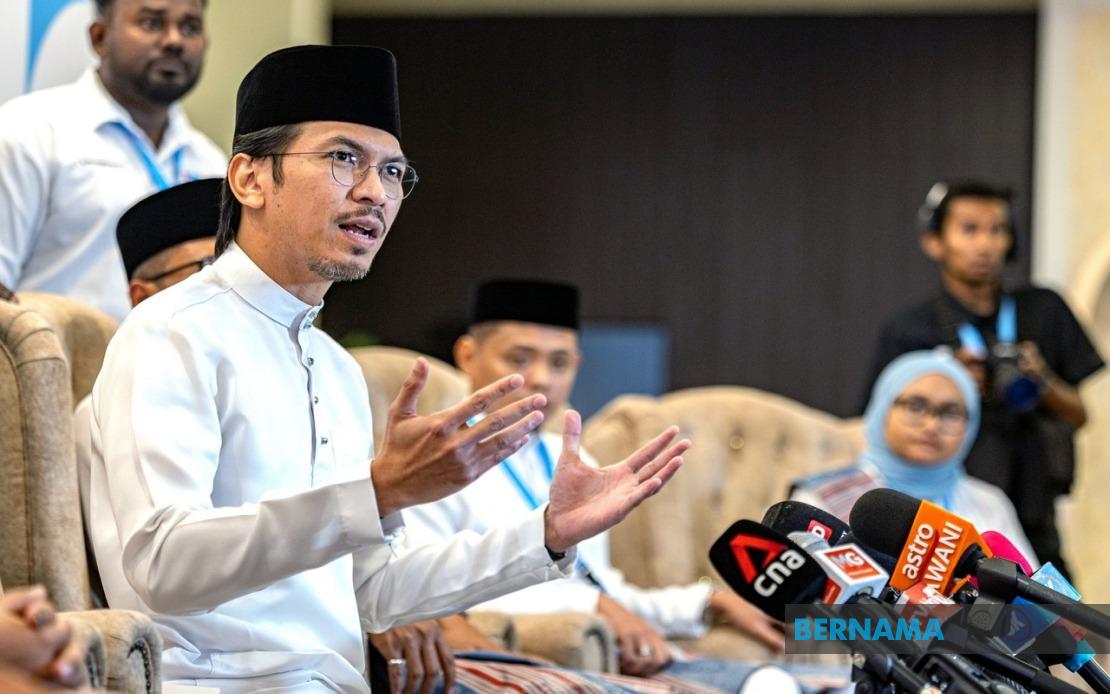
The Parti Keadilan Rakyat (PKR) has moved to counter growing concerns about member defections, with the party's youth wing chief dismissing recent departures to rival political entities as negligible and inconsequential to party cohesion. Speaking at the 2026 Angkatan Muda Keadilan (AMK) National Congress in Melaka on August 14, Muhammad Kamil Ahmad Munim characterised the exodus as a routine matter of personal preference rather than an indicator of systemic problems within Malaysia's second-largest opposition party. His remarks represent an attempt to project confidence even as rival Parti Bersama Malaysia claims to have absorbed approximately 25 per cent of its membership from PKR's ranks—a figure that, if accurate, would suggest departures are more substantial than the youth wing acknowledges.
The defection issue has emerged as a touchstone in Malaysia's fractious opposition landscape, where coalition politics remain volatile and party-switching reflects broader anxieties about direction, leadership, and electoral prospects. PKR, founded on principles of reformasi and internal democracy, has long positioned itself as a magnet for disaffected members of other parties seeking institutional alternatives. The reversal of this dynamic—with members leaving PKR rather than joining it—carries symbolic weight beyond raw membership numbers. The Malaysian political environment has shifted markedly since PKR's founding in 1998, and opposition parties now compete intensely for activist bases and electoral credibility. When PKR members opt for Parti Bersama Malaysia or other entities, they implicitly register dissatisfaction that party leadership cannot easily dismiss as insignificant.
Muhammad Kamil's insistence that departures remain "insignificant" lacks specificity about actual figures, which itself raises questions about transparency. Opposition parties in Malaysia frequently claim organisational strength while struggling to provide verifiable membership data, a practice that undermines public trust and internal accountability. The youth wing chief's reliance on vague language—"based on our reports and figures"—without naming concrete numbers suggests PKR may itself be uncertain about the scale of attrition, or reluctant to acknowledge it publicly. In the Malaysian political context, where perception shapes electoral momentum and media narrative heavily influences voter sentiment, the inability or unwillingness to quantify departures can itself become a liability. Supporters and party members monitoring internal developments will naturally wonder why precise figures remain elusive if the situation is truly under control.
The departure of members reflects deeper currents within PKR's coalition dynamics and its positioning within the broader opposition bloc. Parti Bersama Malaysia, founded by former PKR figures including Datuk Seri Rafizi Ramli, represents a splinter movement that crystallises frustrations about PKR's organisational direction and electoral strategy. For Malaysian voters weighing options across the opposition spectrum, such factional movements signal instability and infighting that may ultimately benefit ruling coalitions. The fact that defectors cite "loss of confidence" suggests concerns extend beyond personal ambition to substantive disagreements about party strategy, leadership vision, or tactical positioning ahead of upcoming state and general elections. Understanding these departures requires examining not merely numbers but the ideological and strategic arguments motivating them.
PKR's internal leadership situation has added complexity to this narrative, with the party's deputy president Nurul Izzah Anwar currently on leave. While Muhammad Kamil framed this absence as operationally manageable through devolved responsibilities to vice-president Datuk Seri Saifuddin Nasution Abdullah and election director Datuk Seri Amirudin Shari, the reality of deputy leader absence during a period of external defection raises natural questions about party direction and decision-making processes. In Malaysian politics, where personality-driven leadership remains common, the temporary sidelining of a prominent female voice within the party—particularly one bearing the Anwar family name—inevitably attracts scrutiny. Whether Nurul Izzah's leave constitutes routine personal reasons or reflects deeper organisational tensions remains unclear from official statements, but the timing coinciding with defection claims invites speculation about internal cohesion.
The party's reliance on grassroots acceptance of leadership decisions, as mentioned by Muhammad Kamil, indicates awareness that membership morale requires active management. His reference to "explanations provided to the grassroots by state and branch-level leadership" suggests a systematic effort to address member concerns and prevent further departures. This approach reflects lessons PKR has learned about the importance of internal communication in maintaining activist engagement. However, the efficacy of such measures depends heavily on membership perception of whether leadership genuinely addresses their concerns or merely seeks to manage dissent. In Malaysia's competitive political marketplace, grassroots activists increasingly expect parties to respond substantively to their anxieties rather than request acceptance through top-down messaging.
Looking ahead toward the state elections (PRN) and general election (PRU) that Muhammad Kamil referenced, PKR faces the challenge of consolidating remaining membership while demonstrating electoral viability. Member defections, even if numerically modest, carry symbolic weight that can affect volunteer mobilisation, fundraising capacity, and campaign intensity. Opposition parties throughout Malaysia's history have discovered that activist morale directly correlates with electoral performance, particularly in competitive constituencies where volunteer effort determines marginal outcomes. If PKR's base interprets ongoing defections as signals that the party is in decline or losing direction, self-fulfilling prophecies can emerge where members withdraw their effort, campaigns weaken, and electoral performance genuinely deteriorates. Conversely, if leadership successfully convinces members that defections are temporary adjustments rather than indicators of fundamental problems, commitment can remain robust.
The broader context involves Malaysian opposition coalition politics, where PKR functions as a central anchor alongside the Democratic Action Party (DAP) and other partners. Any perception that PKR is losing internal cohesion affects the entire coalition's credibility and negotiating position. In Malaysia's proportional representation environments at state level, coalition strength translates directly into seat allocation and ministerial portfolios. If coalition partners view PKR as weakening, negotiations over candidate selection and government formation become more adversarial. Conversely, demonstrating organisational resilience strengthens PKR's hand in coalition dealings. This dynamic explains why PKR leadership prioritises public reassurance about stability—it serves not merely internal purposes but coalition-wide strategic interests.
Parti Bersama Malaysia's absorption of PKR members offers a case study in opposition fragmentation and reconfiguration. Datuk Seri Rafizi Ramli's venture represents an attempt to build an alternative reform-oriented party outside PKR's structure, perhaps reflecting calculations that new institutional frameworks might prove more effective than reforming existing ones. This mirrors patterns globally where activists frustrated with established institutions create new movements rather than work for internal change. For Malaysian democracy, such proliferation can either strengthen pluralism and provide voters greater choice, or dilute opposition unity and inadvertently assist ruling coalitions by fragmenting opposition votes. PKR's challenge involves both retaining existing members and demonstrating that remaining within the party represents a more viable path than joining alternatives.
The question of membership stability will ultimately be resolved not through statements at congresses but through electoral performance and internal developments over coming months. If PKR performs well in upcoming elections despite defections, it can credibly claim that departures were indeed insignificant. If electoral performance falters, critics will inevitably attribute it partly to membership attrition and internal friction. This creates incentives for PKR leadership to maintain internal discipline, improve communication, and demonstrate concrete benefits of party membership. The coming months will test whether Muhammad Kamil's confidence in party resilience reflects genuine institutional strength or represents wishful thinking in the face of genuine challenges. For Malaysian observers of opposition politics, tracking PKR's trajectory provides valuable insight into how established opposition parties navigate volatility and maintain activist commitment in competitive political environments.

