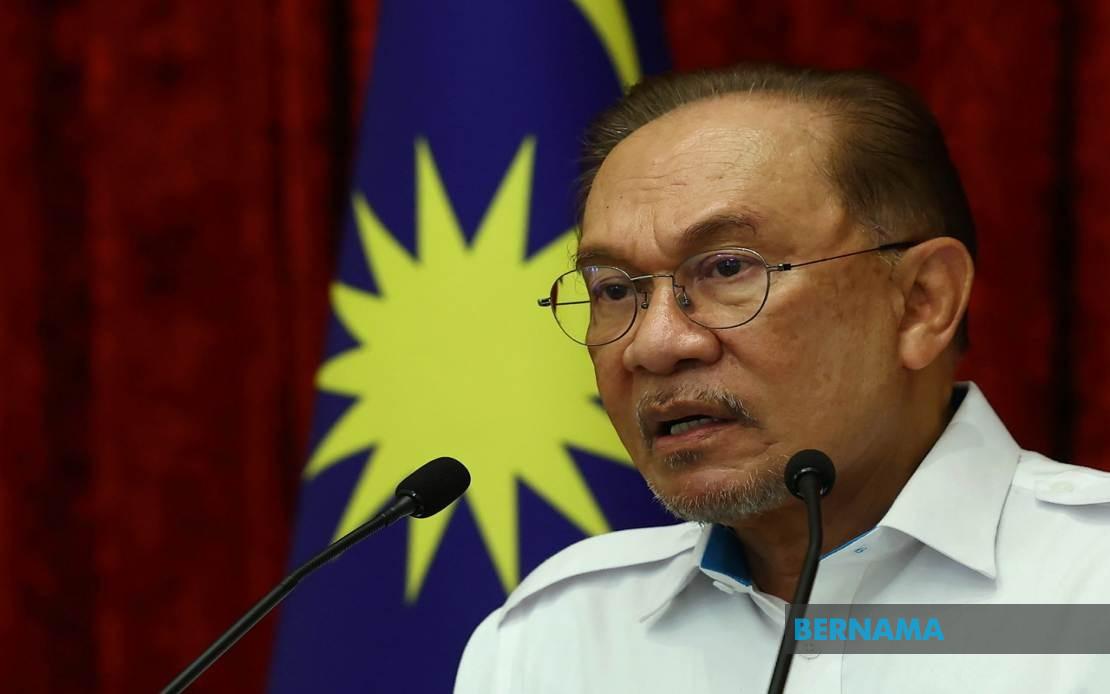
Prime Minister Datuk Seri Anwar Ibrahim has expressed regret over his inability to participate in a special sitting of the Dewan Rakyat convened to scrutinise the findings of the Royal Commission of Inquiry into Tabung Haji, Malaysia's Islamic pilgrimage savings institution. The Prime Minister's office released a statement through his senior press secretary, Tunku Nashrul Abaidah, confirming that Anwar would not be physically present for the debate but pledged to monitor the discussion intently to ensure the institution's integrity remains protected.
The 79-year-old leader is presently in recovery following an elective surgical intervention to address a para-umbilical hernia, a condition affecting the abdominal wall near the navel. According to his medical team head, Datuk Dr Asri Ranga Abdullah Ramaiah, the laparoscopic procedure—a minimally invasive technique utilising small incisions—was successfully executed. This timing necessitated Anwar's absence from parliamentary proceedings during a period when legislators would examine a potentially significant institutional report.
The Tabung Haji RCI inquiry has attracted considerable attention within Malaysia's political and religious circles. The royal commission was tasked with investigating matters pertaining to the fund, which holds approximately RM67 billion in assets and serves as a principal savings mechanism for Malaysian Muslims preparing for the Hajj pilgrimage. Any findings from such an inquiry could carry substantial implications for governance structures, financial management practices, and public confidence in the institution.
While the Prime Minister's medical team has indicated that his condition is showing encouraging progress, Anwar remains under ongoing physiotherapy supervised by specialist physicians. The rehabilitation process, typically necessary following abdominal surgery, requires careful monitoring and structured recovery protocols. His office stressed that despite physical constraints preventing attendance, the Prime Minister remains actively engaged with governance matters, particularly those affecting Muslim institutions and public trust.
The special sitting represents a crucial moment for parliamentary scrutiny of an institution central to Malaysian Muslim life. Tabung Haji's role extends beyond financial management; it carries symbolic weight as a government-backed mechanism facilitating one of Islam's Five Pillars. Parliamentary examination of any RCI findings would likely generate significant discussion among legislators from across the political spectrum, with potential consequences for institutional reform, oversight mechanisms, and public accountability measures.
Anwar's message conveyed appreciation for the prayers and well-wishes he has received, including greetings marking his 79th birthday, which fell during his hospitalisation. This acknowledgment serves multiple purposes within Malaysian political culture, affirming the personal connections between leadership and the broader public while demonstrating continued engagement despite health challenges. The Premier's office maintained that he remains psychologically invested in institutional developments affecting the nation.
For Malaysian Muslims and Hajj aspirants particularly, parliamentary scrutiny of Tabung Haji carries personal relevance. Any institutional issues identified by the RCI could affect how savings accumulate, how funds are managed, or how the administration operates. A special sitting dedicated to debating these findings indicates parliament recognises the significance of ensuring public confidence in mechanisms integral to religious observance and personal financial planning for millions of Malaysians.
The absence of the Prime Minister from such proceedings, though explained by medical necessity, does underscore broader questions about institutional continuity during leadership transitions or health-related absences. Malaysia's parliamentary system traditionally expects executive participation in major debates, particularly those examining institutions within the Prime Minister's oversight. Anwar's commitment to follow proceedings closely, communicated through official channels, represents an attempt to maintain executive engagement despite physical limitations.
The timing of this surgery and recovery, coinciding with parliamentary examination of a major Islamic institution, reflects the complexities of governance within a constitutional monarchy operating simultaneously with religious and administrative responsibilities. The RCI report's implications extend beyond immediate parliamentary session outcomes; they may influence policy directions, regulatory frameworks, and public perception of institutional competence across government-linked organisations managing significant public assets.
As Anwar continues physiotherapy and medical supervision, parliament proceeds with its scrutiny of an institution affecting millions. The Prime Minister's stated intention to monitor the debate carefully, while physically absent, illustrates how modern communication technologies enable some degree of executive engagement despite health-imposed constraints. However, whether such remote engagement fully substitutes for direct parliamentary participation remains a matter for observers evaluating governance effectiveness and institutional accountability in Malaysia's political system.

