Prime Minister Datuk Seri Anwar Ibrahim has conveyed Malaysia's deepest sympathies to the families of those who lost their lives in the devastating earthquake that struck western Colombia, underscoring the nation's commitment to standing with nations facing natural disasters and humanitarian crises. Through a social media statement, Anwar articulated Malaysia's position of solidarity during what he described as an exceptionally challenging period for the Colombian people, marking a significant moment of diplomatic compassion from the Malaysian government.
The earthquake, which registered at 7.4 magnitude, represents one of the most powerful seismic events to impact Colombia in several decades. The tremor originated in the Chocó region in western Colombia on Monday, triggering a cascade of destruction across multiple major urban centres including Cali, Pereira, and Manizales. The death toll has exceeded 100 people, with rescue operations still ongoing as aftershocks continue to complicate search and recovery efforts in the affected areas. The scale of this natural disaster has prompted international attention and responses from governments worldwide, including Malaysia's measured but emphatic expression of support.
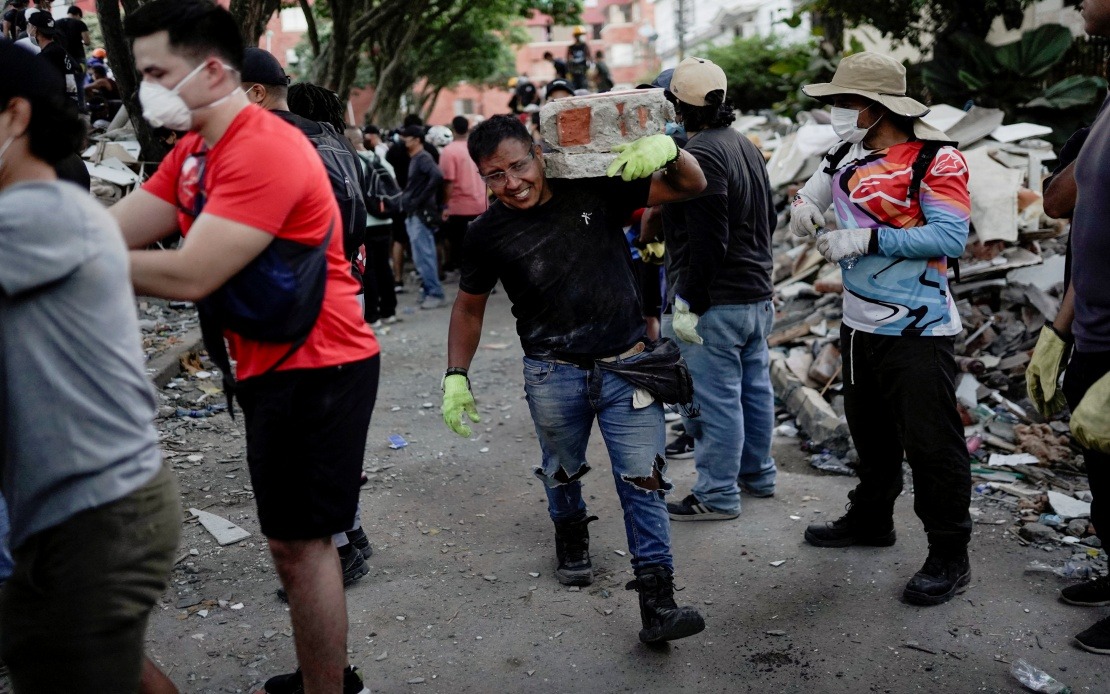
In his statement, Anwar specifically acknowledged the extraordinary efforts being undertaken by rescue workers and volunteer organisations who are navigating treacherous conditions to locate survivors. The ongoing aftershocks have created a precarious environment for these rescue teams, adding layers of complexity to what is already an intensive and emotionally demanding operation. By recognising these efforts, Anwar highlighted Malaysia's appreciation for the human dimension of disaster response—the courage and dedication of individuals who place themselves at risk to save others. This acknowledgment reflects broader Malaysian values regarding humanitarian assistance and international cooperation during times of crisis.
The Prime Minister's message conveyed wishes for the rapid recovery of injured survivors and the safe location of those still unaccounted for following the earthquake. This careful wording demonstrates sensitivity to the ongoing uncertainty many Colombian families face, as rescue operations continue to unfold. The emotional toll of such disasters extends far beyond immediate physical casualties, affecting families separated by debris, communities disrupted, and entire regions transformed overnight. Anwar's invocation of prayers for these specific outcomes reveals how Malaysia frames its international engagement through both practical solidarity and spiritual compassion.
For Malaysian audiences, this incident serves as a stark reminder of the vulnerability that all nations share when confronting natural disasters, regardless of economic development or geographic location. Colombia, despite being one of South America's more developed economies, remains susceptible to the raw power of geological forces. Malaysia itself sits in a seismically active region and faces regular natural disaster risks, including earthquakes, floods, and landslides. The Colombian earthquake thus carries resonance for Malaysians who understand firsthand the unpredictability and devastating potential of such events. Anwar's response effectively positions Malaysia within a global community united by mutual vulnerability and interdependence.
The diplomatic language employed by Anwar also reflects Malaysia's broader foreign policy orientation during challenging international moments. By framing the response through statements of unity rather than political positioning, the government demonstrates how natural disasters can transcend political divisions and create space for genuine humanitarian expression. This approach reinforces Malaysia's commitment to being a responsible member of the international community, one that responds to human suffering with appropriate gravity and sincerity. Such gestures, though sometimes viewed as routine diplomatic protocol, carry genuine importance in maintaining international relationships and demonstrating shared human values.
Colombia's earthquake occurs within a context where the country has been managing multiple challenges simultaneously, including security concerns, economic pressures, and infrastructure development needs. A disaster of this magnitude inevitably diverts resources and attention toward immediate humanitarian response and reconstruction efforts. For the Colombian government and people, the weeks and months following such a catastrophe involve not only rescue operations but also assessment of damage, planning reconstruction, addressing psychological trauma, and rebuilding community infrastructure. International expressions of support, such as Malaysia's, provide both practical encouragement and moral validation as nations undertake these herculean recovery efforts.
The specific mention of the earthquake being the most powerful to strike Colombia in decades underscores its exceptional nature and severity. This characterisation helps Malaysian readers understand the magnitude of what occurred—not a typical seismic event, but rather a historic disaster that will likely reshape Colombian disaster preparedness and building standards for years to come. Such major earthquakes often become watershed moments for affected nations, prompting reviews of construction codes, emergency response protocols, and long-term resilience planning. Colombia will likely emerge from this tragedy with updated frameworks for managing seismic risk, lessons that extend beyond its borders to inform regional understanding of earthquake preparedness.
For Southeast Asian nations, including Malaysia, the Colombian earthquake carries lessons about disaster readiness and regional cooperation. While the immediate crisis is unfolding thousands of kilometres away, the principles and practices being employed in Colombia's response inform how nations across Southeast Asia approach their own natural disaster management. Information sharing, technical expertise exchange, and mutual support mechanisms become increasingly valuable as individual nations recognise that disaster preparedness is not a purely domestic concern but rather a shared regional and global responsibility.
Anwar's conclusion, invoking the international community's collective wishes for Colombian strength and resilience, positions Malaysia as an active participant in global solidarity networks. Rather than treating distant tragedies as removed from Malaysian interests, this framing acknowledges interconnectedness and shared humanity. The earthquake in Colombia, regardless of geographic distance, becomes a moment where Malaysia affirms its values and commitments to international cooperation, humanitarian principles, and the notion that in times of crisis, national borders become less significant than common human purpose.

