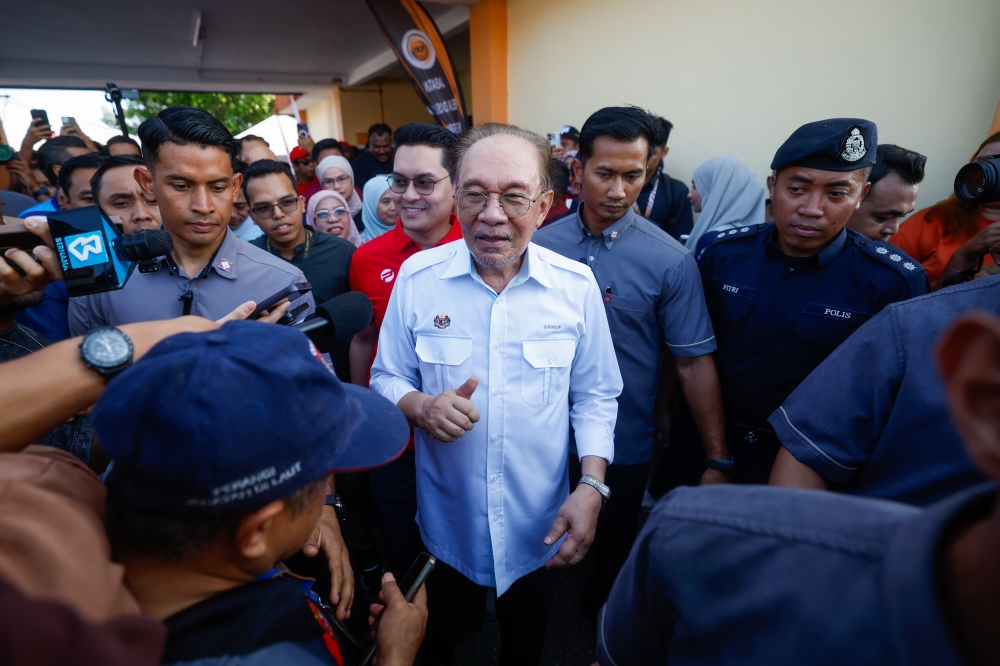
Prime Minister Datuk Seri Anwar Ibrahim has successfully undergone an elective laparoscopic surgical procedure, according to confirmation from his medical team on August 10. The operation, which was planned in advance, proceeded without complications, and the Prime Minister is now in the recovery phase under intensive medical supervision at an undisclosed healthcare facility.
The decision to proceed with the elective surgery reflects a commitment to maintaining the Prime Minister's health through preventative and necessary medical interventions. Laparoscopic procedures, which utilise minimally invasive techniques involving small incisions and specialised instruments, typically result in shorter recovery periods and fewer post-operative complications compared to traditional open surgery. The choice of this surgical approach underscores the medical team's focus on ensuring a rapid return to full capacity.
As the nation's chief executive, the Prime Minister's health status carries significant implications for government continuity and stability. The timing and nature of the procedure were carefully planned to minimise disruption to critical governmental functions, demonstrating institutional preparedness for such circumstances. Senior government officials have been briefed on the situation, ensuring smooth governance throughout the recovery period.
The strict medical watch that the Prime Minister remains under reflects both standard post-operative protocols and the heightened scrutiny applicable to a sitting head of government. A dedicated medical team, likely comprising specialists in multiple disciplines, will monitor vital signs, surgical site healing, and overall recovery progress on a continuous basis. This comprehensive oversight ensures that any complications, however unlikely, can be identified and addressed immediately.
For Malaysians and regional observers, the successful completion of the procedure and confirmation of uncomplicated recovery carries reassuring implications for political stability. The transparency of the medical announcement itself demonstrates institutional confidence in the outcome and a willingness to keep the public informed, a departure from the opaque health disclosures that have sometimes characterised political leadership in Southeast Asia historically.
The Prime Minister's medical team has not disclosed specific timelines for resumption of full duties, instead emphasising a graduated return to work based on clinical assessments. This cautious approach reflects international best practices in post-operative management and suggests that the medical professionals involved prioritise complete recovery over expedited return to demanding executive functions. The Malaysian government has indicated that the Deputy Prime Minister and cabinet colleagues remain fully engaged in managing routine and pressing matters of state.
Such surgical interventions among senior leaders are not uncommon globally, and medical transparency serves the dual purpose of reassuring domestic constituencies and international partners about governmental continuity. The procedure's successful completion and the professional communication surrounding it contribute to investor confidence and regional stability assessments by international observers monitoring Malaysia's political landscape.
The recovery period also provides an opportunity to reflect on the importance of health maintenance among Singapore's top officials, a topic that has occasionally generated discussion in Malaysian and Southeast Asian political circles. Regular health monitoring and timely medical interventions, when necessary, underscore the responsibility that holders of high office bear toward their own wellbeing and, by extension, toward the institutions they lead.
Government sources have indicated that a full briefing on the Prime Minister's condition and expected recovery timeline will be provided through official channels once medical assessments confirm readiness for broader disclosure. In the interim, the confirmation of successful surgery and continued close monitoring provides sufficient assurance of institutional preparedness for the weeks ahead.
The incident, while largely procedural in nature, highlights the intersection of personal health and political governance that inevitably characterises democracies dependent on individual leadership. Malaysia's handling of the announcement demonstrates a balance between transparency and appropriate privacy, setting a professional standard for political communication in the region.

