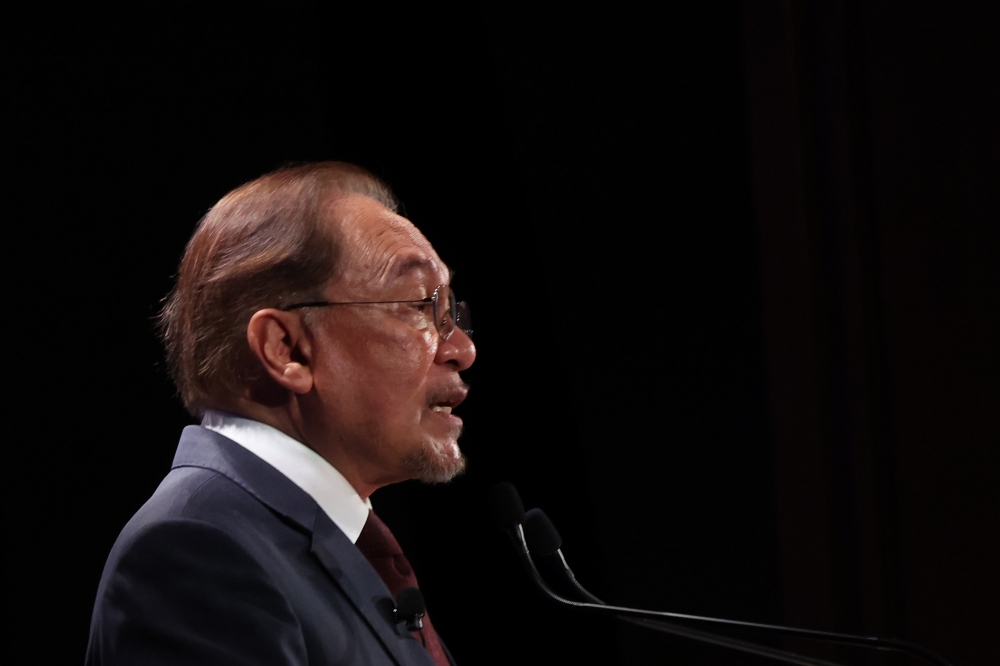
Prime Minister Datuk Seri Anwar Ibrahim has taken legal action against Tuan Ibrahim Tuan Man, the deputy president of the Islamic Party of Malaysia (Pas), over statements that the Prime Minister contends were defamatory in nature. The filing of this lawsuit in Kuala Lumpur represents a significant escalation in the political friction that has characterised recent months between the governing administration and opposition figures, particularly those affiliated with Pas, which remains among the more vocally critical voices in the country's political landscape.
The decision to pursue legal remedies through the courts underscores the serious nature of the allegations from Anwar's perspective, suggesting that statements attributed to Tuan Ibrahim crossed thresholds that the Prime Minister deemed unacceptable. Defamation suits involving high-profile political figures command considerable attention in Malaysia, given the intersection between free speech protections, political discourse, and personal reputation. The legal action signals that Anwar's administration intends to use judicial mechanisms to address what it characterises as damaging and false assertions.
Tuan Ibrahim's position as deputy president within Pas places him among the party's senior leadership ranks, making his statements particularly consequential within opposition circles. The PAS party, which contested the 2022 elections and subsequently withdrew from several political arrangements, has maintained a contrarian stance toward numerous government initiatives. The timing of this defamation suit may reflect accumulated frustrations within the government regarding the tenor and frequency of criticism emanating from opposition quarters, particularly from prominent Pas figures.
Defamation law in Malaysia operates through both civil and criminal provisions, with civil suits permitting plaintiffs to seek damages for reputational harm. Such cases require demonstration that false statements were published, that they referred to the plaintiff, that they caused damage, and that the defendant failed to exercise reasonable care regarding their veracity. The burden placed on political figures pursuing such claims differs subtly from those in private life, reflecting the heightened public interest in political discourse. Courts must balance protection of reputation against the substantial latitude afforded to those engaged in public debate.
The relationship between Anwar's administration and Pas represents one of the more complex dynamics within Malaysia's current political structure. While not formal coalition partners, certain working arrangements have existed on specific legislative matters. However, persistent ideological differences and competing electoral interests have generated considerable public tension, with senior figures from both sides engaging in pointed criticism. This lawsuit represents a departure from the usual channels of political contestation, suggesting that behind-the-scenes diplomatic efforts may have broken down.
From a regional perspective, Malaysia's handling of political disputes through judicial processes remains closely monitored by international observers and neighbouring governments. The manner in which courts adjudicate disputes involving senior elected officials carries implications for perceptions of judicial independence and the overall health of democratic institutions. The case may serve as a test of how Malaysia's legal system navigates the delicate space between protecting individual reputation and preserving robust political debate.
The political ramifications of this suit extend beyond the immediate parties involved. Opposition supporters may view it as an attempt to silence legitimate political criticism, whilst government allies might regard it as necessary protection against what they characterise as unsubstantiated attacks. The case's progression through the courts will likely generate extensive commentary from civil society organisations, media observers, and political analysts concerned with the state of democratic discourse in Malaysia.
Pas, having experienced electoral setbacks in recent cycles, may utilise this legal challenge as a rallying point to consolidate its support base and mobilise its traditional voter constituencies. Political parties often leverage legal actions initiated against their leadership as narratives of persecution or vindication, depending on case outcomes. The broader Islamic opposition movement in Malaysia has generally characterised government actions as discriminatory, and this lawsuit may be framed within that broader interpretive framework.
The financial and reputational costs associated with pursuing defamation litigation should not be underestimated. Such cases consume considerable judicial resources, generate extensive media coverage that keeps disputes in public consciousness, and potentially amplify the very allegations being challenged. Prime Ministers and political leaders worldwide have discovered that courtroom battles over statements often prove more costly than alternative responses, though legal remedies remain available when reputation is deemed sufficiently damaged.
Moving forward, this lawsuit will occupy significant space within Malaysia's political calendar. Court dates, procedural motions, and eventual judgment will provide ongoing focal points for political messaging. The case's ultimate resolution—whether through settlement, judgment, or other resolution mechanisms—may influence how political figures calculate the costs and benefits of making strong public statements regarding their opponents. The precedent established may shape future political discourse within Malaysia and provide instructive examples for other democratic systems grappling with similar tensions between free speech and reputation protection.

