Prime Minister Datuk Seri Anwar Ibrahim has directed the Ministry of Human Resources to accelerate the processing of 15,000 outstanding foreign worker applications, addressing growing concerns about labour supply constraints affecting the country's economic momentum. The instruction represents a pragmatic shift in the administration's approach to workforce management, recognising the operational bottlenecks that have accumulated in the permit approval system and the ripple effects these delays create across manufacturing, construction, hospitality, and agriculture sectors.
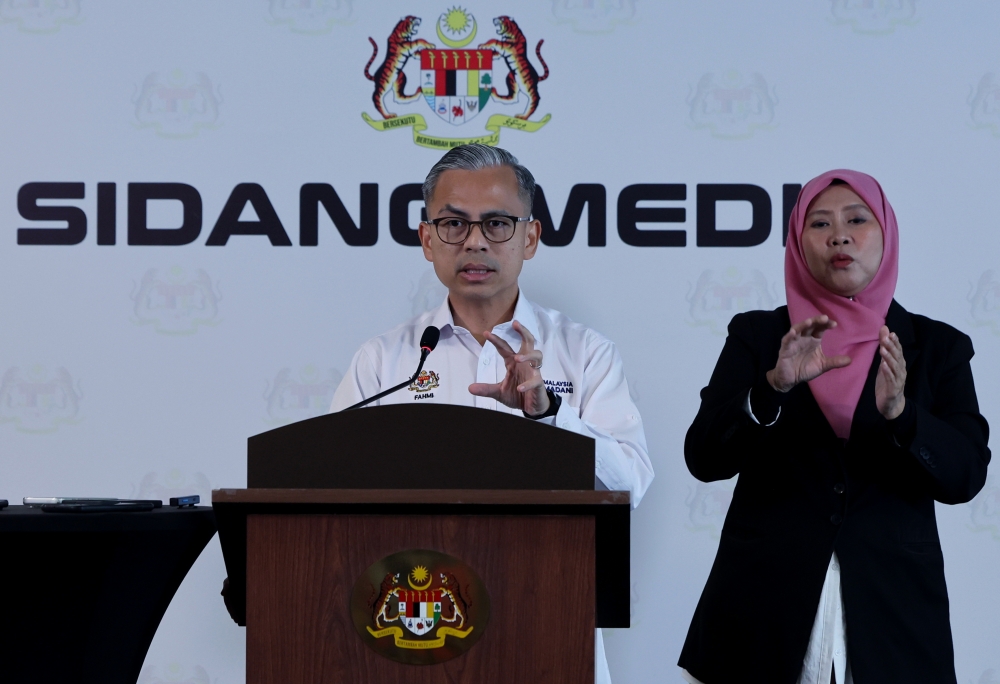
Communications Minister Fahmi Fadzil disclosed the directive during a media briefing in Putrajaya, emphasising that streamlining the bureaucratic pathway for foreign labour certification has become imperative given current economic conditions. The emphasis on expediting applications rather than simply approving them wholesale underscores the government's attempt to balance labour market needs with regulatory oversight and security considerations that remain embedded in the vetting process.
The accumulation of 15,000 pending applications signals systemic challenges within the Ministry of Human Resources' administrative capacity. Processing delays of this magnitude typically stem from staffing limitations, outdated digital infrastructure, coordination gaps between federal and state-level agencies, and the sheer complexity of verification requirements that each application demands. Malaysian employers across multiple industries have reportedly voiced frustration with processing timelines that can stretch several months, creating uncertainty in workforce planning and forcing some operations to reduce production capacity or postpone expansion initiatives.
For Malaysia's manufacturing sector, which remains heavily dependent on foreign labour to sustain competitiveness in regional supply chains, the approval backlog has tangible consequences. Electronics assembly, semiconductor fabrication, and automotive components production all rely on carefully calibrated staffing models that assume reasonably predictable labour availability. When visa approvals stall, production targets slip, and companies risk losing contracts to competitors in Vietnam, Thailand, or Indonesia who can deploy workers more flexibly.
The construction industry faces similarly acute pressures, particularly as Malaysia pursues major infrastructure projects and urban development initiatives that cannot proceed without adequate labour. Megaprojects tied to economic corridors, port modernisation, and renewable energy installations all depend on skilled and semi-skilled foreign workers who are increasingly difficult to recruit through existing channels. Construction cost inflation and project delays cascading from labour shortages ultimately affect ordinary Malaysians through higher prices for housing and infrastructure services.
The agricultural sector, often overlooked in labour discussions dominated by manufacturing narratives, experiences chronic difficulty retaining workers for plantation and harvesting operations. The premium on processing efficiency in agricultural permits is particularly pronounced during seasonal peaks when timing determines whether crops are harvested optimally or left to spoil. Delays that seem minor in absolute terms can devastate harvests and compromise export quality that sustains Malaysia's position in global commodity markets.
Anwar's intervention indicates that the Prime Minister's office has elevated labour supply to strategic priority status rather than leaving it as a routine administrative matter. This personalised direction from the highest level typically signals that departmental targets will shift substantially, resources may be reallocated, and performance metrics will be scrutinised. However, the ultimate success of the acceleration initiative depends on whether the Ministry of Human Resources possesses sufficient institutional capacity to meaningfully reduce processing times without compromising security vetting or creating new administrative bottlenecks elsewhere in the approval chain.
Regional competitors have developed sophisticated approaches to labour certification that balance speed with security. Singapore's targeted approach and Thailand's bilateral labour agreements both demonstrate that streamlined processing is achievable, though each context carries distinct political and economic constraints. Malaysia's geographical advantages as a destination for regional labour, combined with its existing diaspora networks, position the country to attract talent relatively efficiently if administrative barriers can be lowered.
The policy decision also carries implications for wage dynamics and labour standards. Accelerating foreign worker approvals may exert downward pressure on wages for lower-skilled positions if supply increases substantially, affecting Malaysian workers competing in the same labour segments. This tension between addressing employer labour shortages and protecting local worker earnings will require complementary policy measures focused on skills development and productivity enhancement for Malaysian citizens, ensuring that economic growth translates into genuine wage improvements rather than displacement.
Fahmi's announcement does not specify timelines for processing 15,000 applications or clarify whether the directive will be accompanied by additional funding, staff recruitment, or technology investments. The rhetorical priority signal from the Prime Minister's office is meaningful, but sustained implementation requires resource commitments and institutional reform that extend beyond verbal directives. The Ministry of Human Resources will face scrutiny regarding whether approval rates accelerate meaningfully in coming months or whether the backlog persists despite elevated political attention.
The broader context involves Malaysia's continuing struggle to maintain labour market equilibrium amid economic recovery and competition for workers across Southeast Asia. Neighbouring countries' expanding economies are drawing talent away, while demographic shifts within Malaysia itself create changing labour supply dynamics. The government's recognition that processing bottlenecks constitute a genuine obstacle to economic performance suggests a more nuanced understanding of labour market mechanics than purely numerical immigration targets alone.
Sustained resolution of the foreign worker application backlog will require the Ministry of Human Resources to implement systematic improvements extending beyond current emergency-response protocols. Digital infrastructure modernisation, inter-agency coordination mechanisms, clearer timelines for applicants, and transparent communication about approval status all represent complementary initiatives that should accompany the acceleration directive. Whether Anwar's instruction catalyses comprehensive reform or generates temporary improvements remains a question that Malaysian employers and economic observers will monitor closely in the months ahead.

