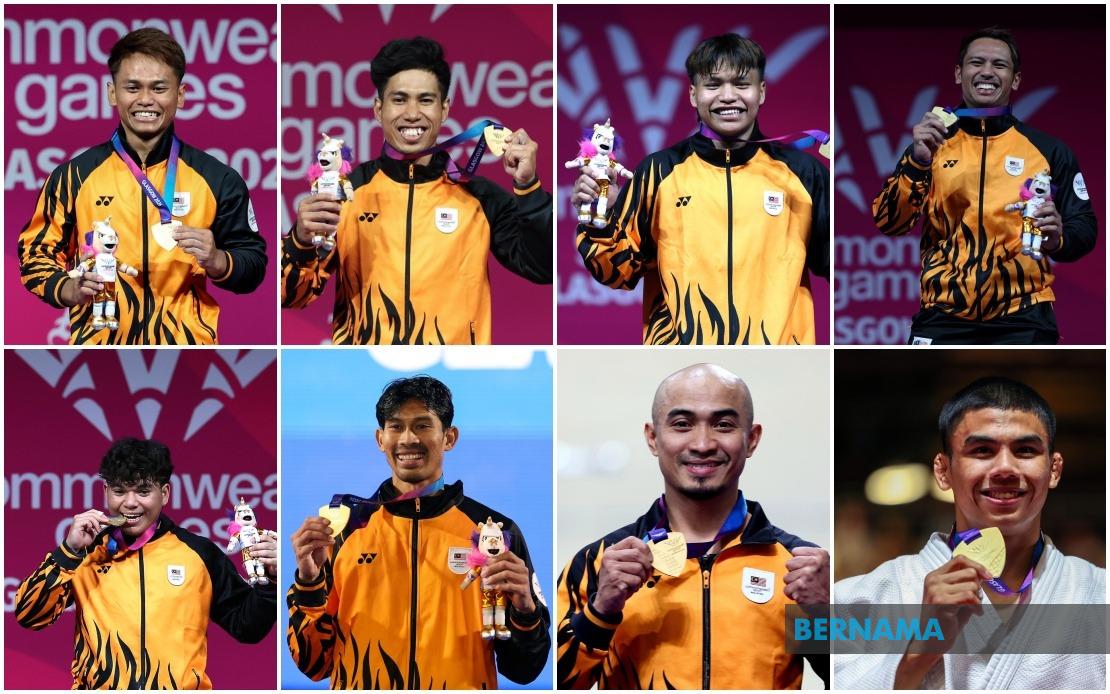
Prime Minister Datuk Seri Anwar Ibrahim has extended his commendation to Malaysia's contingent competing at the 2026 Glasgow Commonwealth Games, acknowledging their resolute determination and noteworthy results throughout the competition. In his address via social media, the Prime Minister highlighted the dedication demonstrated by the entire delegation, recognising both the visible achievements on the sporting stage and the less visible yet crucial efforts underpinning the campaign. The gesture reflects the government's investment in athletic development and its ongoing commitment to supporting the nation's representatives on international sporting platforms.
The Malaysian contingent's journey at Glasgow yielded 16 medals, positioning the country in 10th place among competing nations. This result reflects a significant undertaking by a relatively modest-sized delegation operating within the Commonwealth Games framework, where participation demands substantial preparation, training investment, and logistical coordination. The finish speaks to both the calibre of Malaysia's elite athletes and the infrastructure supporting their preparation, matters of considerable importance for a nation increasingly focused on raising performance standards across multiple sporting disciplines.
Beyond the medal tally, Anwar's remarks specifically referenced the intangible qualities that define successful sporting campaigns. The emphasis on fighting spirit and pride underscores recognition that international competition extends beyond quantifiable outcomes, encompassing athlete resilience, mental fortitude, and the ability to perform under pressure. Such acknowledgment carries particular weight in Malaysian sporting culture, where motivation and psychological preparation have historically played outsized roles in determining competitive success on foreign stages.
The Prime Minister's message notably extended gratitude to the ecosystem supporting the athletes themselves. Coaches, technical officials, and support personnel constitute the backbone of any international sporting programme, yet their contributions frequently escape public recognition. By explicitly thanking these individuals, Anwar highlighted the collaborative nature of international sports representation and the distributed responsibility for national success. This inclusive framing matters for athlete retention and coaching profession development within Malaysia, as public acknowledgment of broader team efforts encourages sustained commitment from support staff.
Anwar additionally referenced the role of public prayer and spiritual support throughout the competition. This element of his statement resonates deeply within Malaysian society, where religious faith and communal backing remain significant cultural factors. The invocation of collective national prayers for athlete success reflects how sporting competition intersects with broader social and spiritual dimensions in the Malaysian context, binding individual performance to community identity and national cohesion.
The Glasgow Games serve as a crucial staging ground for Commonwealth nations to assess their athletic pipelines and international standing. For Malaysia, participation offers valuable insights into competitive gaps, emerging talent, and areas requiring enhanced investment. The 10th-place finish provides a baseline against which future performance can be measured, establishing benchmarks that will inform sports policy decisions in coming years. Such measurements prove essential for nations seeking to optimise their international sporting profiles within constrained budgets.
The timing of Anwar's public statement, released through Facebook rather than traditional press channels, reflects contemporary political communication patterns. Social media platforms have become primary vehicles for direct public address by senior leadership, allowing messages to reach constituents without intermediary filtering. This approach demonstrates the integration of digital communication strategies into high-level government messaging, particularly regarding matters where emotional connection and broad public engagement prove valuable.
Malaysia's participation in Commonwealth Games carries historical and contemporary significance. The Games represent one of the few international sporting forums where Malaysia competes as equals with larger powers, particularly in certain disciplines where the nation maintains competitive depth. Glasgow 2026 builds upon decades of Malaysian involvement in the Commonwealth Games movement, continuing a tradition that connects contemporary athletes to the nation's sporting heritage and international relationships within the Commonwealth framework.
Looking forward, the government's public recognition of the Glasgow contingent's efforts signals continued prioritisation of international sporting representation. This messaging matters for athlete recruitment and retention, as young Malaysians considering elite sport careers benefit from knowing that national leadership values their contributions. The gesture also subtly reinforces government engagement with sports development at a time when competing demands on national resources create ongoing questions about appropriate investment levels in athletic programmes.
The comprehensive nature of Anwar's acknowledgment—spanning athletes, coaches, officials, supporters, and the praying public—reflects understanding that international sporting success emerges from multifaceted support systems rather than individual talent alone. This holistic perspective carries implications for how Malaysia structures its sports governance and investment, suggesting an appreciation for systemic approaches that strengthen the entire competitive pipeline. As Malaysia continues navigating its position within global athletics, such foundational support and public recognition become increasingly important for sustaining long-term development and maintaining the athlete commitment necessary for future Games campaigns.

