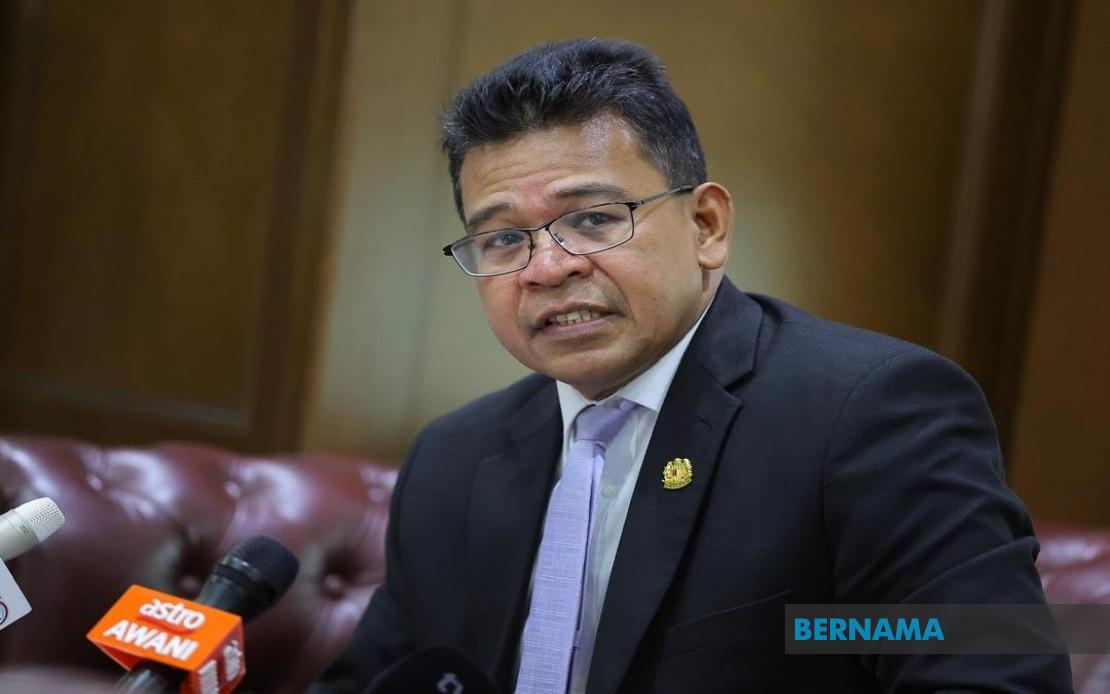
Prime Minister Datuk Seri Anwar Ibrahim will embark on a two-day working visit to Brunei on August 21 and 22, where he will participate in the 27th Annual Leaders' Consultation between Malaysia and Brunei. The visit represents a continuation of high-level diplomatic engagement between the two Southeast Asian neighbours, with Malaysian High Commissioner to Brunei Datuk Mohd Aini Atan confirming the visit's significance as part of the region's ongoing multilateral framework.
The Annual Leaders' Consultation series holds considerable weight within Malaysia-Brunei relations, functioning as the paramount bilateral mechanism through which the two nations coordinate policy and strategic direction. These consultations provide the ideal platform for top leadership to assess the health of diplomatic ties and to chart the course for future cooperation. Sultan Hassanal Bolkiah will preside over discussions that will encompass a comprehensive review of how bilateral initiatives have progressed and where additional efforts might be directed.
Malaysia and Brunei's relationship extends back four decades to 1984, when formal diplomatic recognition crystallised into what both governments describe as a close and special partnership. As neighbouring states within the Association of Southeast Asian Nations, the two countries share overlapping interests in regional stability, economic integration, and security matters. During the forthcoming consultation, both leaders intend to exchange perspectives not only on matters directly affecting their bilateral relationship but also on the broader regional and international landscape where their interests intersect.
Anwar's delegation will include Foreign Minister Datuk Seri Mohamad Hasan, whose presence underscores the diplomatic importance of the mission. Accompanying the Prime Minister will be Sarawak Premier Tan Sri Abang Johari Tun Openg and Sabah Chief Minister Datuk Seri Hajiji Noor, signalling that Malaysia's East Malaysian states will play a role in the bilateral discussions. Minister of Investment, Trade and Industry Datuk Seri Johari Abdul Ghani rounds out the high-level contingent, reflecting the economic dimension that contemporary Malaysia-Brunei relations increasingly emphasise.
Preceding the main leaders' consultation, Foreign Minister Mohamad Hasan will co-chair the 27th Malaysia-Brunei Exchange of Letters Implementation Meeting alongside Brunei's Second Minister of Foreign Affairs, Datuk Seri Setia Erywan Mohd Yusof. This preparatory meeting will evaluate the progress of cooperation initiatives established under previous bilateral agreements and will assess how well both nations have implemented the outcomes agreed upon during last year's 26th Annual Leaders' Consultation held in Putrajaya. Such preparatory discussions ensure that the formal consultation between the two leaders proceeds efficiently and productively.
One tangible outcome anticipated from the visit involves the signing of a Memorandum of Understanding on disaster management cooperation. Natural disasters pose recurring challenges across Southeast Asia, where transnational environmental threats frequently require coordinated responses from neighbouring states. By formalising disaster management protocols through an MoU, Malaysia and Brunei will strengthen their institutional capacity to respond jointly to emergencies, whether floods, earthquakes, or other calamities that affect the region's safety and stability.
Bilateral trade between Malaysia and Brunei demonstrates the economic substance underlying their political relationship. In 2025, total trade volume reached RM5.86 billion, equivalent to approximately USD 1.37 billion, reflecting sustained commercial activity between the two economies. Malaysian exports to Brunei during that period totalled RM4.20 billion, or USD 0.98 billion, while imports from Brunei stood at RM1.66 billion, representing USD 0.39 billion. These figures illustrate that Malaysia holds a trade surplus with Brunei, a dynamic that influences broader bilateral economic discussions.
More recent data spanning January to June 2026 indicates that bilateral trade momentum continues, with the two countries recording RM2.38 billion in combined trade during just the first half of the year. This trajectory suggests that current annual trade volumes may rival or exceed previous records, demonstrating resilience in Malaysia-Brunei commercial ties despite broader regional economic uncertainties. For Malaysian exporters and businesses operating in Brunei, sustained trade growth offers opportunities for market expansion and deepened commercial integration.
The timing of Anwar's visit occurs amid a broader ASEAN context where regional multilateralism and intra-state cooperation remain paramount policy priorities. As Malaysia continues to navigate complex regional dynamics involving ASEAN consensus-building and dialogue with major powers, bilateral consultations with individual member states such as Brunei serve as important building blocks. These nation-to-nation discussions allow for aligned positioning on regional issues and create space for smaller nations like Brunei to influence Malaysian strategic thinking.
Brunei's geographic proximity to Malaysian Borneo, coupled with shared maritime boundaries and overlapping Exclusive Economic Zones, creates interdependencies that require regular high-level attention. Issues ranging from border demarcation to maritime resource management to environmental protection demand ongoing dialogue. The leaders' consultation provides structured opportunity to address such matters that might otherwise accumulate into more contentious disputes.
For Malaysian stakeholders, particularly those in Sabah and Sarawak whose territories border Brunei, such visits carry practical implications. The presence of both East Malaysian chief ministers signals recognition that development cooperation and cross-border initiatives affecting Sabah and Sarawak merit direct engagement at Malaysia's highest levels. Regional economic projects, investment flows, and labour mobility between Malaysian Borneo and Brunei will likely feature in substantive discussions.
The diplomatic calendar also reflects Malaysia's commitment to maintaining robust ASEAN bonds at a time when regional organisations require rejuvenation. With ASEAN facing challenges related to the Myanmar crisis, South China Sea tensions, and economic disparities among member states, bilateral partnerships serve as stabilising forces. Malaysia's consistent engagement with Brunei reinforces the broader principle that ASEAN solidarity rests upon member states' willingness to invest in regular, high-level communication and relationship management.
Looking forward, the outcomes of ALC-27 will likely establish priority areas for Malaysia-Brunei cooperation through 2027, when the next consultation occurs. Whether focused on green energy collaboration, digital economy integration, tourism promotion, or human-to-human exchanges, the bilateral agenda will continue evolving to reflect contemporary challenges and opportunities. Anwar's visit represents more than ceremonial diplomacy; it embodies Malaysia's strategic commitment to deepening ties with a trusted neighbour and fellow ASEAN member whose interests frequently align with Kuala Lumpur's own regional and international objectives.

