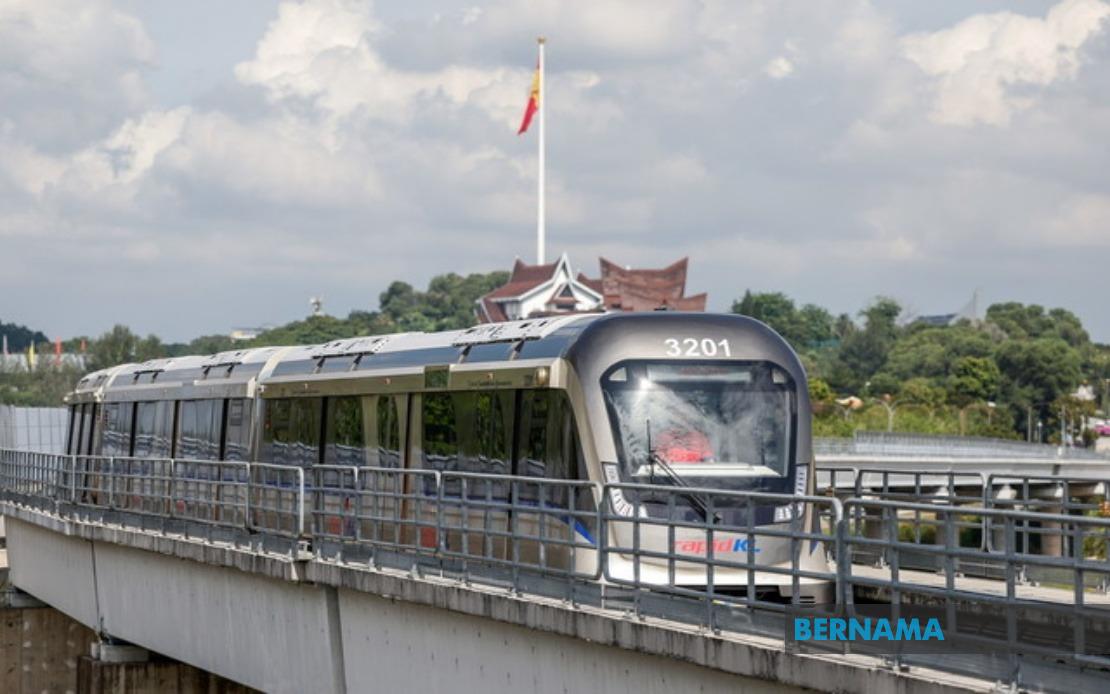
The Light Rail Transit 3 Shah Alam Line, a transformative infrastructure project spanning 37.8 kilometres from Bandar Utama to Johan Setia, is poised for public service following its official inauguration by Prime Minister Datuk Seri Anwar Ibrahim on Sunday, June 28. The completion of this ambitious transit corridor represents a significant milestone for Malaysia's public transport landscape, particularly for the heavily populated Selangor region where the new line is expected to serve approximately two million residents along its stretch.
According to Shah Alam line chief Mohd Ariffin Idris, the Prime Minister will preside over the launch ceremony and announce the commercial opening date and operational hours during the event. This announcement has been eagerly awaited by commuters and urban planners alike, as the project addresses a critical gap in the public transport network serving the sprawling suburbs and industrial zones that have grown exponentially over the past two decades. The timing of the launch holds particular significance for the government's broader agenda to reduce traffic congestion and promote sustainable urban mobility across the Klang Valley region.
The LRT3 Shah Alam Line comprises 20 stations strategically distributed across the corridor. The first cluster of ten stations includes Bandar Utama, Kayu Ara, BU 11, Damansara Idaman, Subang, Glenmarie 2, Kerjaya, Stadium Shah Alam, Dato' Menteri, and UiTM Shah Alam. The remaining ten stations—Seksyen 7 Shah Alam, Bandar Baru Klang, Pasar Klang, Jalan Meru, Jambatan Kota, Taman Selatan, Seri Andalas, Klang Jaya, Bandar Bukit Tinggi, and Johan Setia—extend the network through both established and emerging residential and commercial precincts. This comprehensive coverage ensures that the new line captures demand from diverse demographic segments across the metropolitan area.
A pivotal advantage of the Shah Alam Line lies in its seamless connectivity with existing rapid transit infrastructure. Commuters boarding at Bandar Utama will gain easy interchange access to the Kajang Line, while the Glenmarie 2 station provides connections to the Kelana Jaya Line. Such integrations amplify the utility of the entire public transport ecosystem, allowing passengers to reach destinations across the Klang Valley with minimal friction. This network effect is essential for driving modal shift away from private vehicles, particularly among white-collar workers commuting between residential areas and employment centres.
To enhance the overall commuting experience beyond rail travel, Prasarana Malaysia Berhad has deployed a comprehensive feeder system that makes the first and last-mile connectivity seamless. A fleet of 40 feeder buses operates across 13 routes with 323 stops throughout the corridor, with rides priced uniformly at RM1 and available from 6 am to 11.30 pm. Complementing this service, Rapid On-Demand vans operate from 44 vehicles serving 20 zones at RM2 per trip during the same hours. The affordability of these services is particularly noteworthy for budget-conscious commuters and reflects the government's commitment to making public transport accessible across income groups.
Parking infrastructure has been thoughtfully integrated into the system to encourage park-and-ride behaviour among motorists unwilling to brave heavy traffic on trunk roads. Six stations—Kayu Ara, Damansara Idaman, Pasar Besar Klang, Sri Andalas, Bandar Bukit Tinggi, and Johan Setia—offer parking facilities totalling 2,300 bays. While this figure may appear modest relative to potential demand, it reflects the underlying strategy of prioritising rail-based transportation and limiting incentives for private vehicles, a policy stance increasingly adopted by transport authorities in developed economies. Prasarana has signalled its willingness to fine-tune both feeder bus routes and van services based on actual commuter demand patterns once operations commence, suggesting a data-driven approach to resource allocation.
Projected ridership figures underscore the operational confidence embedded in the project's business case. Prasarana targets 67,000 daily passengers during the first operational year, a figure anticipated to climb to 117,708 passengers daily within five years. These projections, while achievable given the substantial population base and employment concentration along the corridor, will require sustained marketing efforts and continued service reliability to convert potential into actual patronage. The trajectory aligns with typical adoption patterns for new rapid transit lines in Southeast Asian cities, though actual outcomes will depend significantly on broader economic conditions and land-use development patterns.
Environmental sustainability has been integrated throughout the project's design and operations. The light rail vehicles feature inverter-based air conditioning systems that reduce energy consumption compared to conventional systems, while the stations themselves employ smart cooling technologies and are oriented to maximise natural airflow and daylight penetration. These design choices, while seemingly incremental, contribute meaningfully to reducing the operational carbon footprint of a service that will replace millions of private vehicle journeys annually. For environmentally conscious commuters, particularly in an era of rising climate awareness, such features add intangible value to the transit experience.
Accessibility considerations have been embedded throughout the network rather than retrofitted as an afterthought. Every station incorporates wheelchair ramps, disability-compliant toilet facilities, and reserved seating in each carriage for passengers with mobility challenges. This inclusive approach reflects both evolving regulatory expectations and a recognition that transport systems must serve the entire population spectrum. For Malaysia's ageing demographic and disabled communities, such provisions represent a meaningful expansion of mobility options and social participation possibilities.
The project's development trajectory has not been without complexity. Five additional stations—Tropicana, Raja Muda, Temasya, Bukit Raja, and Bandar Botanik—require reconstruction and are scheduled to commence work by year-end. This phased approach, while extending the timeline for complete network maturity, allows the operator to focus resources on optimising the initial 20-station section. The sequencing also provides valuable operational data and lessons that can inform the design and execution of the subsequent phase, potentially improving efficiency and reducing cost overruns.
For Malaysian stakeholders and observers, the LRT3 Shah Alam Line represents more than mere transportation infrastructure. It embodies broader aspirations for liveable cities, reduced congestion, environmental stewardship, and inclusive public services. Success in this venture may catalyse similar investments in underserved corridors across the peninsula, while missteps could dampen political appetite for further rapid transit expansion. The coming months will be instructive as the line transitions from ceremonial launch to operational reality, with daily ridership data and service reliability metrics providing the ultimate measure of whether aspirations translate into tangible improvements in metropolitan quality of life.

