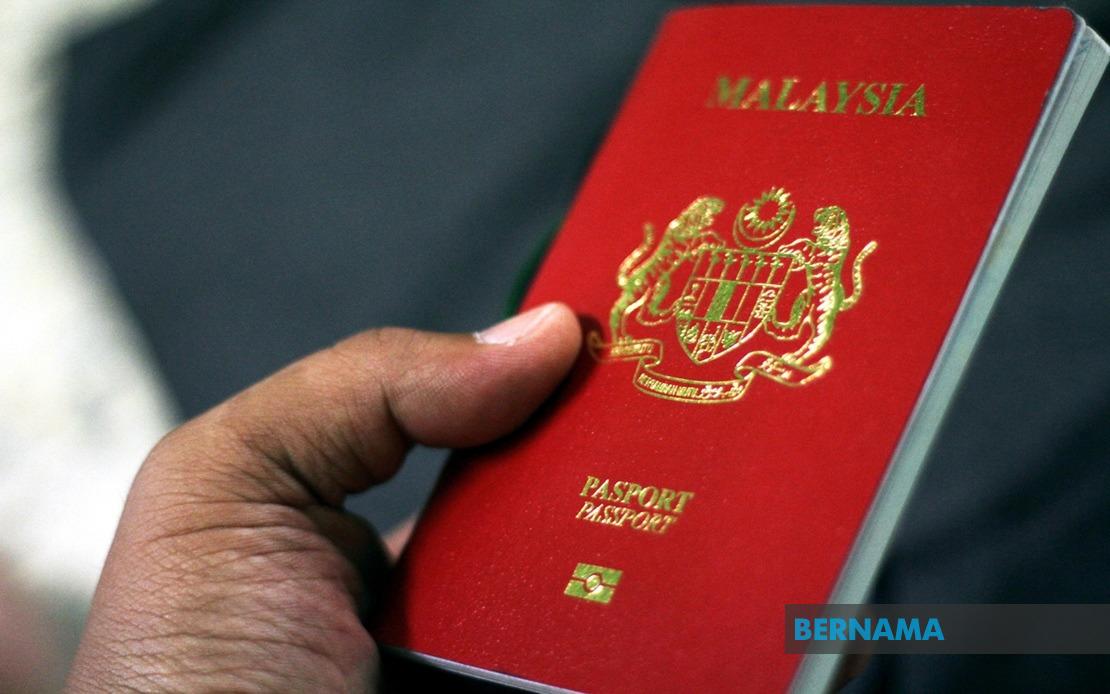
Prime Minister Datuk Seri Anwar Ibrahim is set to unveil a substantially upgraded version of the Malaysian International Passport during a ceremonial launch at the Parliament lobby on Tuesday, marking another milestone in the government's ongoing push to enhance national security infrastructure. The new travel document incorporates 94 distinct security mechanisms, nearly doubling the protective measures found in the current iteration, which relies on 49 features to deter fraud and forgery attempts.
The timing of this initiative reflects Malaysia's strategic positioning within the global travel ecosystem. The Malaysian International Passport maintains an impressive ranking as the world's third most powerful passport according to the 2025 Passport Index standings, a designation that carries both prestige and responsibility for document integrity. Introducing advanced security features demonstrates the government's commitment to maintaining this elevated status while addressing emerging threats from sophisticated counterfeiting operations that continue to evolve in complexity.
Technological advancement underpins the passport's enhanced resilience against unauthorized duplication. The redesign incorporates holographic elements that create three-dimensional visual effects nearly impossible to replicate without specialized industrial equipment. Ultraviolet printing technology adds another protective layer, with concealed markings visible only under specific light frequencies that border officials can quickly verify during routine document inspection. These layered defences mean that replicating the document would require investment in equipment and expertise typically beyond the reach of most criminal enterprises.
Beyond surface-level features, the new passport introduces sophisticated forensic security measures designed for investigative professionals. Hidden visual elements embedded throughout the document serve as authentication markers known only to authorized personnel, preventing casual examination from confirming the document's legitimacy. These clandestine design elements function as a security hedge, allowing border authorities to definitively identify fraudulent documents when standard checks prove inconclusive.
Structural improvements extend to the binding mechanisms that hold the passport booklet together. Specialized threads now integrate security features throughout the document's physical assembly, making any attempt at page substitution or manipulation immediately apparent upon close inspection. Each page within the booklet features a uniquely tailored layout, eliminating the possibility that counterfeiters could mass-produce replacement pages from a single template. This approach ensures that even sophisticated reproduction attempts would require recreating the entire document rather than simply substituting individual compromised pages.
This passport overhaul aligns with a broader government initiative announced earlier this year by Home Minister Datuk Seri Saifuddin Nasution Ismail, who signalled plans to introduce redesigned MyKad identification cards alongside the new passport system. Both initiatives prioritize strengthening Malaysia's data security architecture against identity theft, document fraud, and unauthorized access to personal information. By modernizing multiple identity documents simultaneously, authorities can establish consistent security standards across the national identification ecosystem.
The implications for Malaysian citizens and international travellers extend beyond symbolic gestures. Enhanced passport security facilitates smoother travel experiences, as border officials can authenticate documents more rapidly and confidently. This operational efficiency reduces processing delays at immigration checkpoints globally, particularly at major international airports where bottlenecks directly impact tourism and business travel volumes. For Malaysia's economy, which derives substantial revenue from tourism and international business activity, expedited immigration procedures represent a competitive advantage.
Regionally, Malaysia's commitment to advanced identification document security establishes a benchmark that neighbouring Southeast Asian nations may eventually follow. As counterfeiting networks increasingly operate across borders, coordinated security standards strengthen the entire region's collective capacity to identify fraudulent documents. Malaysian leadership in this domain positions the country as a model for technical sophistication and responsible governance within ASEAN.
The security enhancements also address risks associated with identity fraud in an increasingly digital world. While passports remain physical documents, the information they contain increasingly interfaces with online systems for visa applications, border declarations, and travel authorization verification. Strengthening the physical document's integrity protects against scenarios where compromised documents feed fraudulent data into digital systems, creating cascading security breaches across multiple platforms.
For citizens planning international travel in the coming months, the transition to new passports will occur gradually as existing documents expire and renewals occur naturally. The government has not indicated mandatory replacement timelines, meaning citizens with valid current passports will not face immediate pressure to exchange them. This measured rollout prevents the administrative chaos that would result from mass simultaneous passport replacements while allowing the new system to become operational.
The launch ceremony itself underscores the government's emphasis on transparent governance and public communication regarding security measures. By having the Prime Minister formally introduce these changes rather than issuing them through bureaucratic channels, the administration signals that document security represents a significant policy priority deserving high-level political attention. This approach builds public confidence in identity systems, a psychological dimension that supports voluntary compliance with updated procedures.
Looking forward, the 94-feature passport design establishes a foundation that future security upgrades can build upon as counterfeiting techniques continue evolving. The investment in advanced manufacturing capacity and specialized materials positions Malaysia to maintain competitive advantages in document security for years to come. As international travel continues recovering and exceeding pre-pandemic volumes, Malaysia's commitment to state-of-the-art security measures will prove increasingly valuable.

