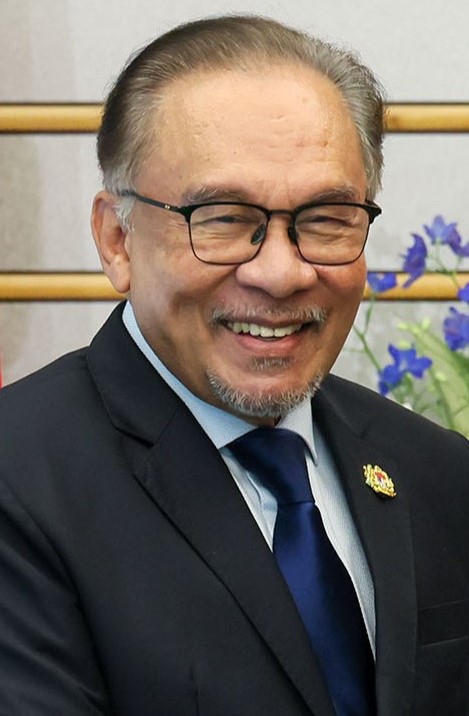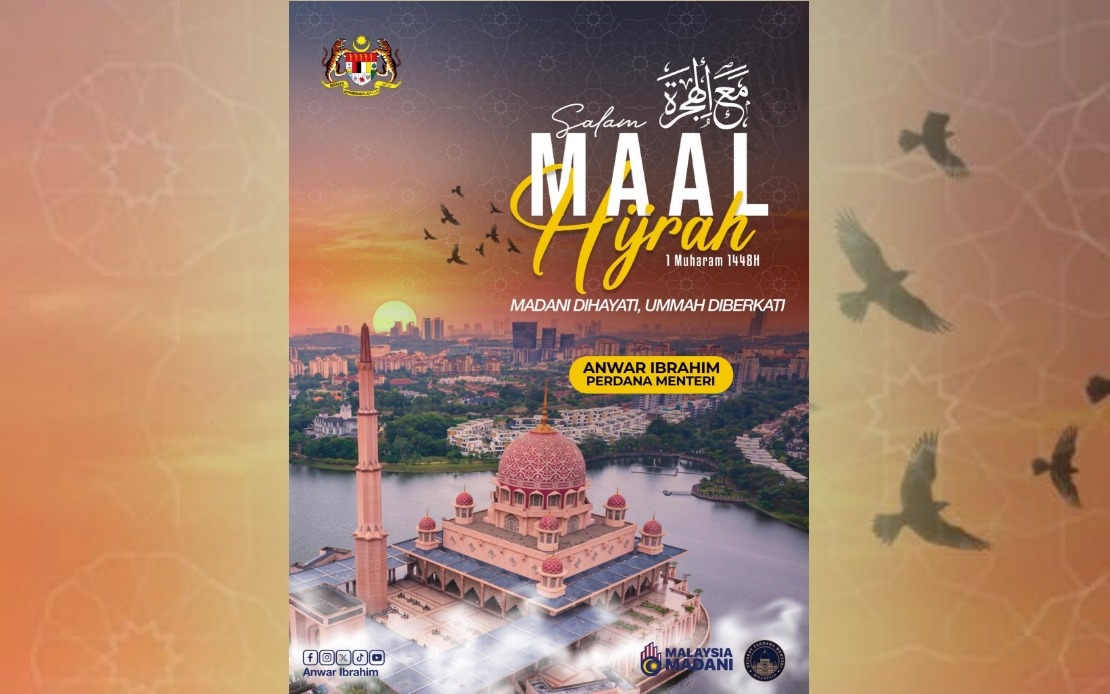
Prime Minister Datuk Seri Anwar Ibrahim has positioned Malaysia's reform agenda within an Islamic historical framework, drawing parallels between the Prophet Muhammad SAW's migration to Madinah and the contemporary need for collective action. In remarks marking Maal Hijrah 1448H, Anwar emphasised that transformative change cannot emerge from isolated individual efforts or rhetorical flourishes alone, but demands genuine cooperation rooted in unity of purpose across Malaysia's diverse population.
The historical significance of Hijrah extends beyond a purely religious commemoration, functioning instead as a template for modern governance and nation-building. Anwar highlighted how the Prophet's migration to Madinah catalysed the establishment of a foundational Islamic civilisation through deliberate institutional development rather than spontaneous action. This historical precedent underscores his argument that Malaysia's reform trajectory similarly requires structured, multi-stakeholder engagement rather than top-down implementation by government decree.
Central to Anwar's messaging is the recognition that successful reform movements depend upon diverse constituencies. He specifically acknowledged the historical roles of youth leaders such as Saidina Ali Abi Talib and female contributors including Asma Abu Bakar, drawing implicit connections to contemporary Malaysian society where generational and gender diversity remain critical to policy legitimacy. By invoking these historical precedents, Anwar repositions reform not as technocratic administration but as a social compact requiring broad-based participation and mutual accountability.
The Prime Minister explicitly rejected the notion that meaningful transformation derives from rhetoric, slogans, or individual initiative. This formulation carries particular weight in Malaysian political discourse, where successive administrations have launched reform initiatives that encountered implementation challenges or failed to secure sustained public confidence. Anwar's emphasis on patience, perseverance, and collective effort suggests an acknowledgment that structural change requires endurance beyond electoral cycles and political expedience.
The demand for consensus reflects the practical political reality facing Malaysia's government. With a complex multi-ethnic and multi-religious polity, reforms touching on religious matters, economic policy, or social governance inevitably trigger multiple perspectives from Islamic scholars, civil society organisations, ethnic communities, and secular interest groups. Anwar's framing positions consensus-building not as weakness or vacillation but as a principled approach that strengthens legitimacy and durability of implemented changes.
Anwar invoked Quranic authority through Surah An-Nisa, verse 100, which addresses spiritual reward for those who migrate in service of Allah's cause. This theological grounding transforms discussion of institutional reform into matters of moral and spiritual obligation, elevating the political stakes beyond mere governance efficiency. For Malaysian audiences, particularly Muslims constituting approximately 70 percent of the population, such religious framing carries significant persuasive weight and positions disagreement with reform initiatives as potentially conflicting with Islamic principles.
The Department of Islamic Development Malaysia (Jakim) selected the theme "MADANI Dihayati, Ummah Diberkati" (MADANI Embraced, The Ummah Blessed) for the National Maal Hijrah Celebration 1448H, explicitly linking the government's MADANI agenda to broader Islamic historical narrative. This thematic alignment suggests an integrated communications strategy wherein religious observance, national identity, and governance priorities reinforce one another. The choice of framing reflects state efforts to position Malaysia as navigating modernisation while maintaining Islamic civilisational values, addressing concerns within segments of the Muslim population that rapid institutional change might undermine religious or cultural foundations.
For Malaysian policymakers and civil society observers, Anwar's emphasis on unity and consensus carries immediate implications for multiple reform domains. Educational modernisation, economic restructuring, anti-corruption initiatives, and religious regulatory reform all require negotiation among competing institutional actors and ideological perspectives. The Prime Minister's articulation suggests government strategy prioritises building broad coalitions around reform objectives rather than pursuing technocratic implementation against significant social or political resistance.
The invocation of Hijrah principles resonates differently across Malaysia's demographic and ideological spectrum. Conservative religious constituencies perceive alignment with Islamic tradition and guard against perceived secularisation. Progressive and non-Muslim segments may view consensus-building language as pragmatic governance wisdom that respects pluralism. This multi-layered interpretability allows Anwar's messaging to address heterogeneous audiences while maintaining internal consistency.
International observers of Malaysian governance recognise that consensus-building rhetoric often masks substantive tensions between reform ambitions and entrenched interests. Whether Anwar's government successfully operationalises consensus mechanisms through institutional mechanisms—parliamentary oversight, consultative councils, stakeholder engagement frameworks—will determine whether rhetorical emphasis on unity translates into substantive policy outcomes. The sustainability of reforms ultimately depends upon whether competing stakeholders perceive participation mechanisms as genuine consultation rather than symbolic gestures preceding predetermined decisions.
The historical trajectory of reform movements in Southeast Asia demonstrates that institutional transformation incorporating diverse perspectives typically achieves greater legitimacy and resilience than top-down approaches. Anwar's positioning of Malaysia's reform agenda within Hijrah narrative tradition therefore reflects both theological conviction and sophisticated political pragmatism. Whether this framework yields sustained institutional change across domains ranging from judicial independence to economic equity will define his tenure and shape Malaysia's governance trajectory through the coming years.