Prime Minister Datuk Seri Anwar Ibrahim's recent working visits to Kazan, Russia and Ashgabat, Turkmenistan have yielded significant diplomatic and economic gains expected to reinforce Malaysia's development trajectory and create tangible benefits for ordinary Malaysians, particularly through improved energy security and lower living costs.
The visit to Kazan marked a pivotal moment in Malaysia's long-term energy planning. Russia has committed to supplying crude oil, gas, and diesel to Malaysia under a comprehensive long-term supply agreement, addressing one of Southeast Asia's critical vulnerabilities in energy procurement. This arrangement is particularly timely given global energy market volatility and the region's heavy reliance on stable fuel supplies. The diversification of Malaysia's energy sources away from traditional suppliers reduces the country's exposure to geopolitical disruptions and price shocks, while establishing a direct relationship with one of the world's largest energy exporters.
Simultaneously, the government secured another major victory in Turkmenistan, where PETRONAS through its wholly owned subsidiary Petronas Carigali (Turkmenistan) Sdn Bhd obtained development rights to two significant gas blocks. This expansion builds on the national oil company's three-decade presence in the Central Asian nation and underscores Malaysia's growing strategic importance as a reliable energy sector partner. The development of these blocks positions PETRONAS to strengthen its global standing as one of the world's premier gas companies, with implications for the company's future profitability and shareholder returns flowing back to the Malaysian government.
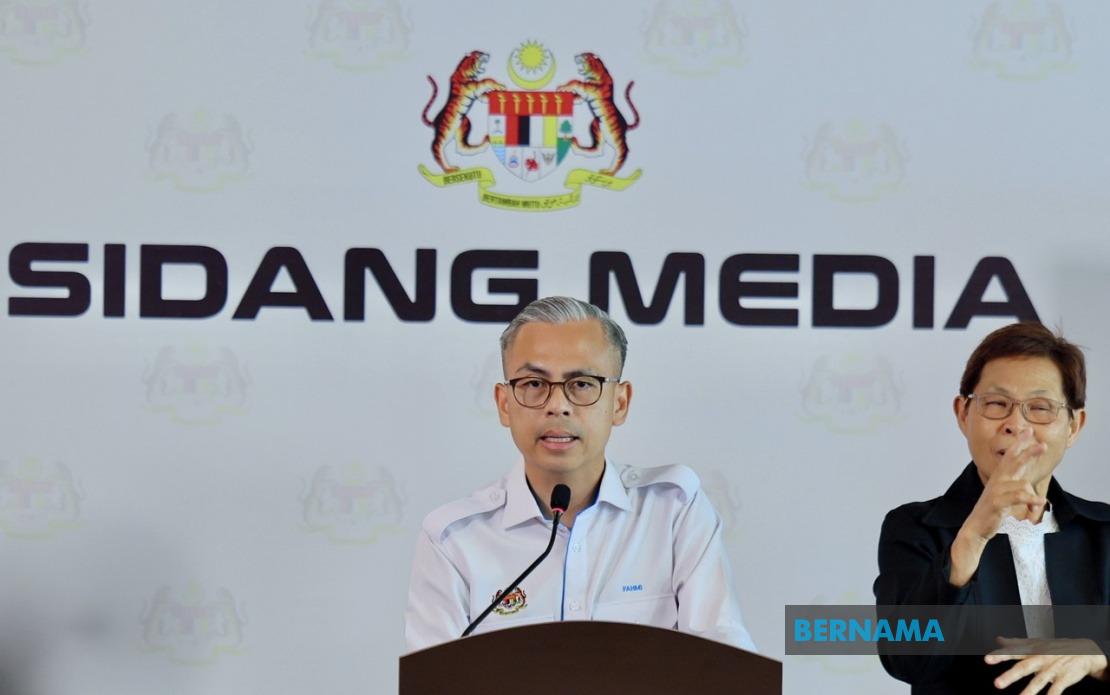
Government spokesperson Datuk Fahmi Fadzil emphasised that these energy breakthroughs directly connected to tangible consumer relief. The announcements preceded the government's decision on 21 June to reduce diesel prices, a move particularly significant for Malaysia's transport and agricultural sectors, where fuel costs directly impact operational expenses and ultimately consumer prices. The correlation between securing new energy sources and price reductions demonstrates how high-level diplomatic engagement translates into measurable improvements in the cost of living, a persistent concern for Malaysian households.
The broader economic implications extend beyond immediate price relief. Revenue generated from PETRONAS' operations in Turkmenistan, including dividends and production returns, will flow into the national treasury and support government development spending. This infusion of capital allows the government to pursue infrastructure projects, public services, and social programmes without proportionally increasing tax burdens, a delicate balance critical to maintaining public confidence in economic management.
Prime Minister Anwar attended the 35th ASEAN-Russia Commemorative Summit in Kazan as the centrepiece of this diplomatic mission, accompanied by Investment, Trade and Industry Minister Datuk Seri Johari Abdul Ghani and Economy Minister Akmal Nasrullah Mohd Nasir. The high-level composition of the delegation signalled Malaysia's serious commitment to broadening the relationship beyond energy into multiple economic domains. Beyond energy security, Malaysia and Russia agreed to deepen cooperation across trade, investment, tourism, and technology sectors, creating potential spillover benefits across Malaysia's economy.
The Turkmenistan component introduced a more structured long-term framework. The two governments formalised a Framework Agreement on Long-Term Cooperation for the Development of Hydrocarbon Resources, establishing institutional foundations for sustained partnership beyond individual transactions. This agreement transcends the immediate development of the two secured gas blocks and contemplates potential future collaboration on the Galkynysh field, one of the world's largest natural gas reserves, alongside downstream opportunities in oil refining, gas processing, and gas chemicals production.
For Malaysian policymakers, this arrangement addresses critical gaps in the nation's industrial ecosystem. Developing downstream capabilities in gas processing and chemical production could attract high-value manufacturing to Malaysia, create skilled employment, and reduce reliance on commodity exports of raw hydrocarbons. The Ashgabat agreement essentially opens pathways for Malaysia to graduate up the value chain in energy-related industries, transforming raw material supplies into refined products with significantly higher profit margins.
These diplomatic achievements carry particular resonance for Southeast Asia's energy security architecture. Malaysia's success in negotiating with Russia and Turkmenistan demonstrates the region's capacity to maintain productive relationships with non-traditional partners while navigating geopolitical complexities. As global energy markets experience realignment and nations compete for strategic resources, Malaysia's ability to secure long-term supplies and development opportunities positions it favourably relative to regional peers and reinforces its role as a stable economic anchor in Southeast Asia.
The strategic timing of these announcements also reflects Malaysia's broader pivot toward economic pragmatism and diversified international partnerships. Rather than narrowly constraining external engagement, the government is pursuing relationships that advance specific national interests—energy security, economic growth, and improved living standards—whilst maintaining regional stability and diplomatic balance.
Looking ahead, the success of these energy initiatives will depend on effective implementation and sustained diplomatic engagement. However, the foundational agreements now in place create the institutional and contractual frameworks necessary for decades of productive economic partnership, positioning Malaysia to address energy challenges whilst generating revenues that fund development ambitions across diverse policy areas.

