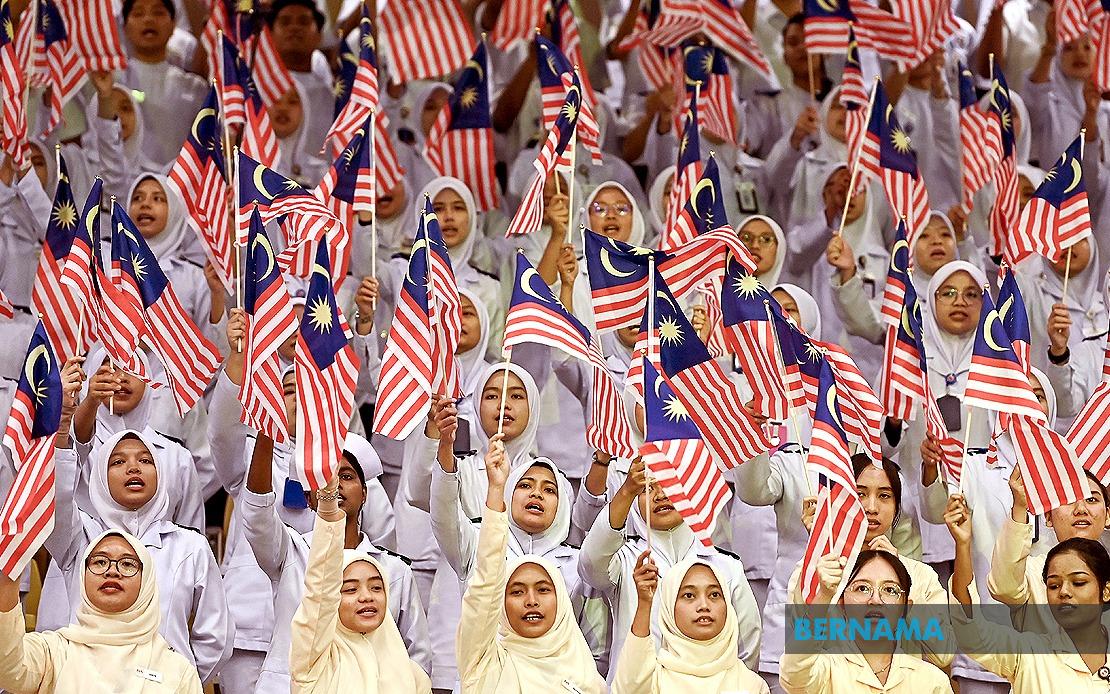
The countdown to Malaysia's independence celebrations formally begins tomorrow when Prime Minister Datuk Seri Anwar Ibrahim launches the 2026 National Month and Fly the Jalur Gemilang (MPBKKJG 2026) campaign at a ceremony in Ipoh. Approximately 3,000 Malaysians representing various walks of life will gather at Dewan Sri Perdana in the Ministry of Health Training Institute at Tanjung Rambutan for the 10 am event, which will set the tone for a month-long celebration of national pride and unity leading up to Malaysia Day and National Day observances.
The launch represents a significant moment in the national calendar, with the Prime Minister delivering the opening address to frame this year's theme and vision for the commemorations. In a symbolic and ceremonial highlight, Anwar will present the Jalur Gemilang to a nine-member team from the Royal Malaysian Navy, who will raise a specially commissioned 6x12-foot flag while the national anthem Negaraku is played and the Rukun Negara pledge is recited. This flag-raising component carries particular significance as it returns to the launch programme after a two-year absence, previously omitted due to logistical constraints at earlier venue locations.
Communications Minister Datuk Seri Fahmi Fadzil and Perak Menteri Besar Datuk Seri Saarani Mohamad will join the ceremony as senior officials overseeing different aspects of the nationwide effort. The occasion will be enhanced by the premiere of the official HKHM2026 theme song, composed and performed by a prominent Malaysian artist, followed by a patriotic medley delivered by the ILKKM choir of approximately 200 trainees. These cultural elements underscore the emotional and symbolic dimensions of the celebrations, moving beyond mere administrative proceedings to create a shared experience of national belonging.
Recognising the post-pandemic context and evolving preferences, organisers have opted for a more intimate and controlled event format rather than a large open gathering. The modest, closed-door approach reflects pragmatic considerations around crowd management while still enabling broad public participation. Citizens unable to attend in person can follow the ceremony in real time through multiple broadcasting channels: Radio Televisyen Malaysia (RTM), the Malaysian National News Agency (Bernama) social media pages, and dedicated Facebook Live streams managed by Merdeka360, the Communications Ministry, and the Information Department (JAPEN). This multi-platform accessibility strategy ensures that Malaysians across the country and beyond can connect to the ceremonial moment simultaneously.
The morning will begin with the Patriot Merdeka Run, a community fitness initiative expected to draw around 2,000 participants. Communications Ministry secretary-general Datuk Abdul Halim Hamzah will flag off the event, establishing physical participation as part of the launch day's momentum. Such grassroots activities complement the formal state ceremony and provide ordinary citizens with ways to express patriotic sentiment through collective action.
Beyond the launch ceremony itself, the 2026 campaign will unfold through an expanded framework of community engagement programmes running throughout the month. The cornerstone initiative, the 1Rumah 1 Jalur Gemilang (1R1JG) campaign, organises activities across nine distinct sectors: industry, education, security, health, government agencies, higher education, and civil society, with two newly added clusters focused on places of worship and sports organisations. This sectoral approach embeds national celebrations into the everyday institutions and spaces where Malaysians live and work, rather than confining them to specific ceremonial dates.
Additional programming includes Kembara Bahasa Hari Kebangsaan, a language-focused initiative celebrating Malaysia's linguistic heritage, and RIUH Merdeka under the broader Kira Detik programme. These sustained events build toward the culminating National Day ceremony at Dataran Putrajaya on August 31, maintaining public interest and engagement across the full month. Subsequently, Malaysia Day celebrations will shift to Sarawak on September 16, ensuring that this regional occasion receives appropriate recognition in the East Malaysian state where the 1963 Malaysia Agreement was signed.
This year's celebrations adopt the overarching theme "Malaysia MADANI: Kesejahteraan Dinikmati" (Malaysia MADANI: Prosperity Shared), a phrase that encapsulates the government's policy direction emphasising inclusive development and equitable distribution of benefits. The Malaysia MADANI branding, including the official logo, will persist as the unifying visual identity through 2027, providing continuity across multiple calendrical moments. Communications Minister Fahmi has stressed this thematic coherence as central to the year's messaging strategy.
To amplify reach and foster digital participation, officials are urging Malaysians to demonstrate their patriotism through social media engagement. Citizens are encouraged to adopt the Jalur Gemilang as their profile picture on various platforms and share celebration-related content using designated hashtags: #HKHM2026, #MalaysiaMADANI, #KesejahteraanDinikmati, and #Merdeka360. This grassroots digital strategy recognises the centrality of social platforms in contemporary civic expression and allows individuals to become ambassadors of the national narrative within their own networks.
For Malaysian readers, the 2026 campaign's structure offers multiple entry points for participation, whether through formal official events, community-based activities in workplaces and neighbourhoods, cultural performances, sporting events, or online engagement. The emphasis on sectoral clustering and diverse programming reflects an understanding that patriotic expression is not monolithic but manifests differently across demographic and institutional contexts. The shift toward a more devolved, community-driven model potentially democratises national celebration beyond traditional top-down state ceremonies, though ultimate success will depend on how effectively messaging penetrates beyond urban centres and reaches populations who may feel distant from state institutions.
The timing of tomorrow's launch in Perak carries symbolic resonance as well, positioning the northern region as a launch point for nationwide momentum rather than treating such ceremonies as exclusively Kuala Lumpur-centric affairs. This geographic dispersal of official events acknowledges regional identities within the broader national framework and suggests an intentional strategy to distribute ceremonial significance across different parts of the country. As Malaysians prepare to observe Independence Day and Malaysia Day, the campaign architecture unveiled tomorrow will shape how the nation collectively reflects on shared identity and common purpose throughout the month ahead.

