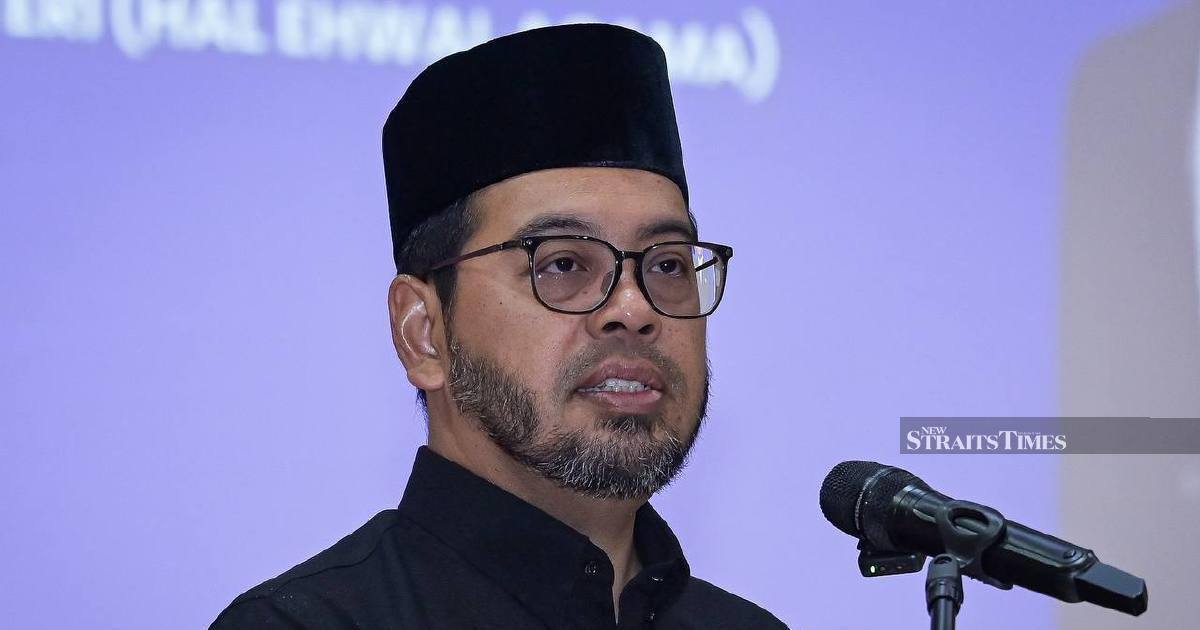
The Prime Minister's Department (Religious Affairs) has reaffirmed its complete backing for His Majesty Sultan Ibrahim, King of Malaysia, following the monarch's formal call for investigations into the Royal Commission of Inquiry (RCI) conclusions on Lembaga Tabung Haji to proceed with rigour, openness and absolute integrity. This endorsement represents a significant show of commitment from the government's religious affairs apparatus to ensure the pilgrimage fund's governance crisis receives the scrutiny it demands.
The Royal Commission's examination of Tabung Haji, Malaysia's longest-established hajj savings and management institution, has concluded after an extensive period of deliberation. The commission's findings have touched on sensitive matters concerning the organisation's stewardship, financial management and administrative practices over recent years. The scale and complexity of the issues identified underscore the necessity for methodical follow-up action rather than perfunctory responses.
Tabung Haji's significance extends well beyond a simple financial institution. As a cornerstone of Malaysia's Islamic financial architecture, the lembaga manages savings and arrangements for hundreds of thousands of Muslim Malaysians preparing for their sacred hajj journey. The institution's credibility and operational soundness directly impact the spiritual and financial security of these contributors, making questions about its governance structures particularly consequential. Any mismanagement uncovered requires both accountability and remedial institutional reform.
The government's religious affairs division serves as a key conduit between state policy and Islamic institutional oversight in Malaysia. Its endorsement of the King's directive carries institutional weight and suggests alignment across senior government structures regarding the need for comprehensive investigative follow-through. This alignment is crucial, as fragmented or half-hearted implementation of accountability measures could undermine public confidence both in the institution itself and in the government's commitment to financial transparency within the Islamic sector.
The emphasis on transparency in the investigation reflects evolving standards for institutional accountability in Malaysia. Public confidence in religious institutions rests partly on demonstrable commitment to transparent processes and genuine accountability mechanisms. When government bodies visibly support such measures, they signal that no organisation—regardless of religious significance or historical standing—operates beyond scrutiny or consequence. This messaging carries particular importance in maintaining the social contract around religious institution governance.
The investigation process itself will require navigating considerable institutional and political sensitivities. Tabung Haji operates at the intersection of Islamic affairs, finance regulation and federal governance, with stakeholders spanning government agencies, state bodies, individual contributors and hajj industry participants. A thoroughgoing probe must balance the need for detailed fact-finding against potential disruption to the fund's operations and the hajj arrangements of prospective pilgrims. The RCI's findings likely identified specific areas of concern requiring targeted investigation rather than wholesale institutional dismantling.
For Malaysian policymakers, the Tabung Haji matter carries implications beyond the immediate institution. Islamic financial products and institutions have expanded significantly across Southeast Asia, with Malaysia positioning itself as a hub for Islamic finance development. Governance failures at a marquee Malaysian Islamic institution risk broader damage to regional confidence in the Islamic finance sector and Malaysia's stewardship of it. Demonstrating rigorous accountability mechanisms becomes part of protecting Malaysia's broader Islamic finance reputation and competitiveness.
The Prime Minister's Department's backing suggests the government recognises these wider reputational and institutional stakes. The religious affairs portfolio has undergone various reorganisations and restructurings in recent years, and its support for transparent investigation likely reflects an attempt to strengthen the credibility of Islamic institutional governance under its purview. This positioning may also reflect departmental efforts to demonstrate proactive governance in the face of criticism about religious institution oversight.
Implementing the King's directive will require practical mechanisms—appointing investigating officers, establishing timelines, determining evidence protocols and deciding on public reporting standards. The investigation will likely examine financial audits, procurement records, administrative decision-making and compliance with regulatory frameworks. Depending on findings, recommendations could range from personnel changes to structural reforms to regulatory amendments governing Tabung Haji's operational independence and oversight arrangements.
The thoroughness emphasised by both the monarch and the religious affairs department suggests this will not be a cursory bureaucratic exercise. Pilgrims who have entrusted their hajj savings to the institution deserve answers about whether their funds were managed responsibly. Taxpayers deserve assurance that any government support or regulatory privileges extended to Tabung Haji were justified. Investors and financial institutions dealing with the fund require clarity about its governance standards and forward direction.
As investigations proceed, the Prime Minister's Department will face pressure to demonstrate that its public commitment to transparency translates into substantive action. This includes ensuring investigators have adequate resources, access to documentation and independence from political interference. It also means government willingness to accept and implement findings that may prove unflattering to past administrations or sitting officials. The credibility of Malaysia's Islamic institutional governance depends substantially on whether this support amounts to genuine commitment or rhetorical positioning.

