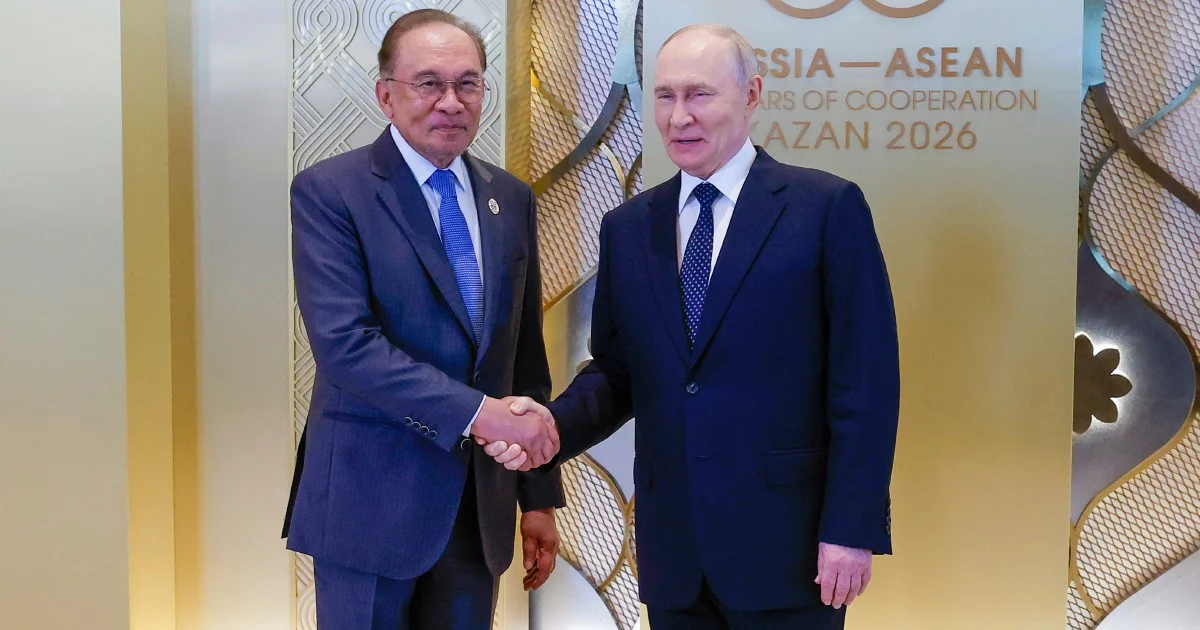
Prime Minister Datuk Seri Anwar Ibrahim's recent diplomatic missions to Russia and Turkmenistan mark a significant development in Malaysia's pursuit of diversified energy sources and geopolitical influence in regions traditionally outside Southeast Asia's immediate orbit. BRICS International Malaysia has expressed strong support for the outcomes of these visits, viewing them as instrumental in addressing the country's medium to long-term energy requirements whilst simultaneously expanding Malaysia's network of strategic partnerships beyond its conventional spheres of engagement.
Malaysia's historical energy landscape has relied heavily on domestically produced petroleum and liquefied natural gas, with some reliance on Middle Eastern imports. However, the geopolitical volatility of recent years and the imperative to secure stable, long-term energy contracts have prompted policymakers to cultivate relationships with alternative suppliers. Russia's vast hydrocarbon reserves and established position as a global energy exporter make it an attractive partner, whilst Turkmenistan's significant natural gas deposits position it as a potential source of supply along the Central Asian corridor. These visits represent a deliberate strategy to tap into these resources and establish frameworks for sustained cooperation.
The timing of Prime Minister Anwar Ibrahim's travels is particularly noteworthy given Malaysia's increasing role within the BRICS framework. As the grouping seeks to expand its influence in global economic and political affairs, Malaysia's engagement with BRICS members—Russia being a founding member—underscores the nation's intention to leverage multilateral platforms for bilateral advantage. The visits demonstrate a pragmatic approach to foreign policy, wherein Malaysia advances its own energy security objectives whilst simultaneously strengthening ties with influential global actors.
Central to the success of these missions has been the emphasis on oil and gas cooperation. Turkmenistan, often overshadowed in international discourse by larger regional powers, possesses proven natural gas reserves of approximately 17.2 trillion cubic meters, making it one of the world's largest holders. The potential for enhanced commercial relationships in this sector could prove transformative for Malaysia's energy portfolio, particularly as domestic production gradually declines and demand continues to grow. Similarly, exploring possibilities with Russian energy firms could open pathways to alternative supply chains and investment opportunities in the energy transition sector.
Beyond immediate energy considerations, these diplomatic engagements carry broader strategic implications. Malaysia's willingness to cultivate ties with nations outside the Western-centric international order reflects a deliberate policy of non-alignment and strategic autonomy. This approach resonates with Malaysia's historical position as a nation committed to maintaining equidistant relationships across geopolitical divides. By engaging substantively with Russia and Turkmenistan, Prime Minister Anwar Ibrahim signals that Malaysia will not be pressured into exclusive alignments, particularly as great power competition intensifies across multiple domains.
The economic dimension of these visits extends beyond energy transactions. Enhanced diplomatic relations typically facilitate broader commercial engagement, technology transfer, and investment flows. Malaysian firms operating in petrochemicals, liquefied natural gas processing, and related industries stand to benefit from expanded opportunities in these markets. Conversely, Russian and Turkmen businesses may find Malaysia an attractive hub for regional operations, particularly given the country's established position as a logistics and financial center in Southeast Asia.
For Malaysian policymakers, these missions also address the ongoing challenge of energy price volatility and supply security. Long-term contracts with reliable suppliers insulate the economy from sudden price shocks and geopolitical disruptions. The visits represent an investment in stability, ensuring that Malaysia's industrial base—which depends substantially on affordable energy—remains competitive and resilient. This is especially critical as the country pursues manufacturing-led growth and seeks to attract foreign direct investment in energy-intensive sectors.
The strategic economic partnerships cultivated during these visits may also yield dividends in ancillary areas. Enhanced relationships with Russia and Turkmenistan could improve Malaysia's standing in international forums, strengthen its negotiating position on matters of mutual interest, and create opportunities for joint ventures in third-party markets. The Central Asian region, in particular, presents emerging commercial opportunities for Malaysian enterprises as regional states increasingly seek Southeast Asian partnerships to diversify their international engagement.
From an ASEAN perspective, Malaysia's proactive energy diplomacy serves the broader region's interests. As Southeast Asia collectively faces growing energy demands and supply pressures, successful negotiations by individual member states generate knowledge and practical pathways that benefit others. The outcomes of Prime Minister Anwar Ibrahim's visits may inform regional strategies regarding energy security and diversification, potentially encouraging similar engagements by neighboring countries.
Looking forward, the substantive translation of diplomatic goodwill into concrete commercial agreements will determine the true success of these missions. Malaysia will need to navigate complex negotiations regarding pricing, delivery mechanisms, and dispute resolution frameworks. Additionally, balancing these energy partnerships with commitments to environmental sustainability and climate change mitigation will require careful policy calibration as the nation transitions towards cleaner energy sources.
The Prime Minister's visits ultimately reflect a maturing foreign policy approach wherein Malaysia leverages its geographic position, diplomatic credibility, and growing economic clout to advance national interests. By securing energy partnerships with Russia and Turkmenistan, Malaysia demonstrates that prosperity and security in the modern era require engagement across diverse geopolitical spaces, not retreat into comfortable but limiting regional circles.

