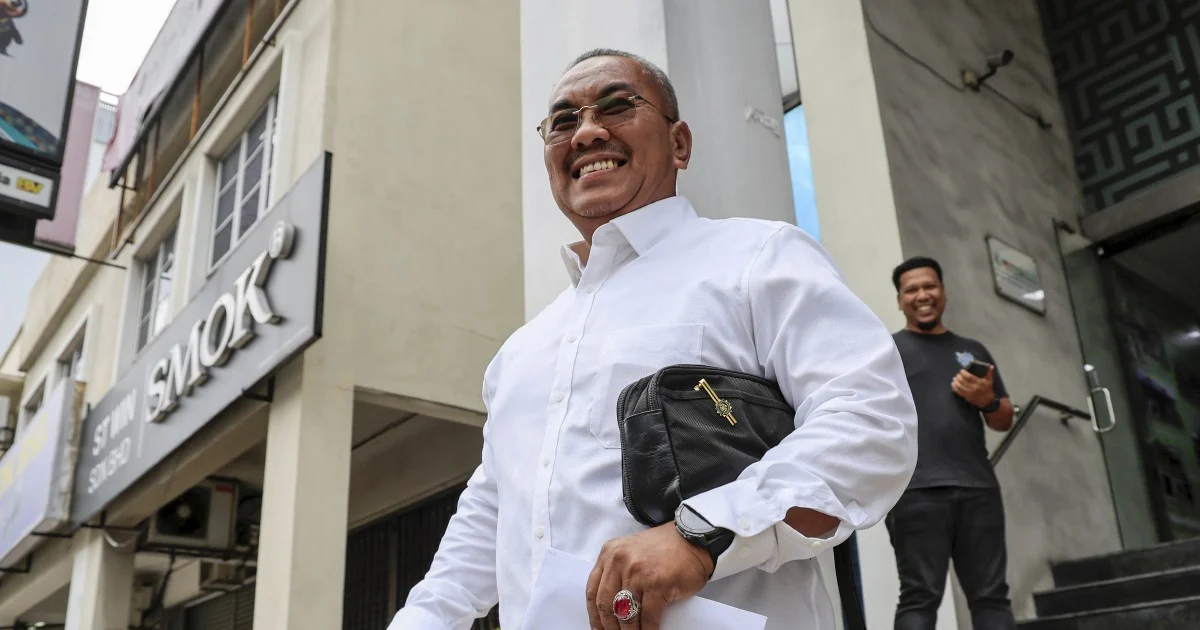
Perikatan Nasional's election machinery has cleared a significant administrative hurdle ahead of the Johor state election, with coalition leadership announcing the successful completion of seat allocation discussions among its constituent parties. The declaration came from PN election director Datuk Seri Sanusi Md Nor, signalling that months of internal negotiations have produced a framework acceptable to the coalition's various factions and their differing territorial interests across the state.
The resolution of 34 overlapping seats represents the core challenge that typically derails multi-party coalition arrangements in Malaysian electoral politics. When multiple parties within an alliance claim historical strongholds or aspire to contest the same constituencies, tensions frequently emerge that threaten electoral unity. The fact that these disputes have been formally settled suggests either significant diplomatic groundwork or calculated compromises that each party leadership has determined acceptable to their members and supporters.
For Malaysian political observers, the successful conclusion of these negotiations demonstrates PN's institutional capacity to manage internal conflicts more effectively than it has managed such issues in recent years. The coalition, comprising Perikatan Nasional's core parties, has faced recurring friction over seat allocations in previous electoral contests, making this settlement noteworthy as evidence of either improved coordination mechanisms or heightened urgency about presenting unified strength in Johor.
Johor's significance within the PN framework cannot be overstated. As Malaysia's second-largest state by population and a traditional stronghold for various political movements, electoral performance in Johor carries outsized implications for the coalition's national narrative and fundraising capacity. A credible showing requires both internal cohesion and confident presentation to voters, both of which hinge partly on the appearance of united party backing without visible internal fractures over candidate selection.
The negotiation process likely involved substantial give-and-take regarding which party controls which constituencies, with weaker-performing allies potentially receiving better positioning in competitive seats to boost overall coalition prospects. PN's electoral strategy increasingly depends on concentrating votes efficiently, which means strategic allocation of candidates rather than allowing component parties free rein to contest multiple candidates against each other in the same seat.
Understanding the regional context matters for Malaysian readers assessing what this development portends. Johor has experienced significant political realignment over the past decade, with voter preferences shifting between Barisan Nasional, Pakatan Harapan, and PN-aligned parties. Any single election can dramatically reshape state and national coalition arithmetic, making Johor a perpetual battleground for competing national coalitions. The state's geographic proximity to Singapore and its role as a strategic economic zone amplify its political importance beyond its electoral vote count alone.
For PN specifically, a consolidated Johor campaign addresses earlier vulnerabilities when component parties' seat negotiations descended into acrimony that leaked to media and damaged voter confidence in coalition stability. The successful settlement at Sanusi's announcement level suggests party chiefs have aligned on fundamental parameters, reducing the likelihood of last-minute disputes that could undermine campaign momentum during the crucial final weeks before polling.
The announcement also carries implications for Southeast Asian regional politics, as Malaysian coalition stability influences bilateral relationships and economic policy continuity that matter to regional partners. Investors and foreign observers monitor Malaysian political settlements as indicators of governance competence and policy consistency, qualities that remain valuable even when coalition compositions shift.
However, the settlement of seat allocations represents only one component of electoral preparation. PN must now translate internal organisational agreement into effective ground campaigns, convincing voters that individual candidates merit support despite whatever complicated backroom arrangements determined their nomination. Seat allocation harmony counts for little if parties fail to campaign effectively or if candidates lack credibility with their communities.
The timing of Sanusi's announcement suggests PN leadership wanted to clear this administrative question before intensive campaign activities commenced, allowing the coalition to present unified messaging and candidate rosters without ongoing disputes clouding their public-facing narrative. This tactical clarity helps media coverage and voter perception, permitting journalists and commentators to evaluate PN's electoral prospects on substantive policy and personality grounds rather than constant speculation about internal quarrels.
Looking forward, this settlement establishes the framework within which PN will contest Johor, but outcomes remain uncertain given voter volatility and competition from both BN and Pakatan forces. Nevertheless, having resolved internal seat disputes removes one obvious obstacle to mounting a competitive campaign, allowing PN to concentrate resources and messaging on persuading Johor voters that the coalition merits their support when voting occurs.

