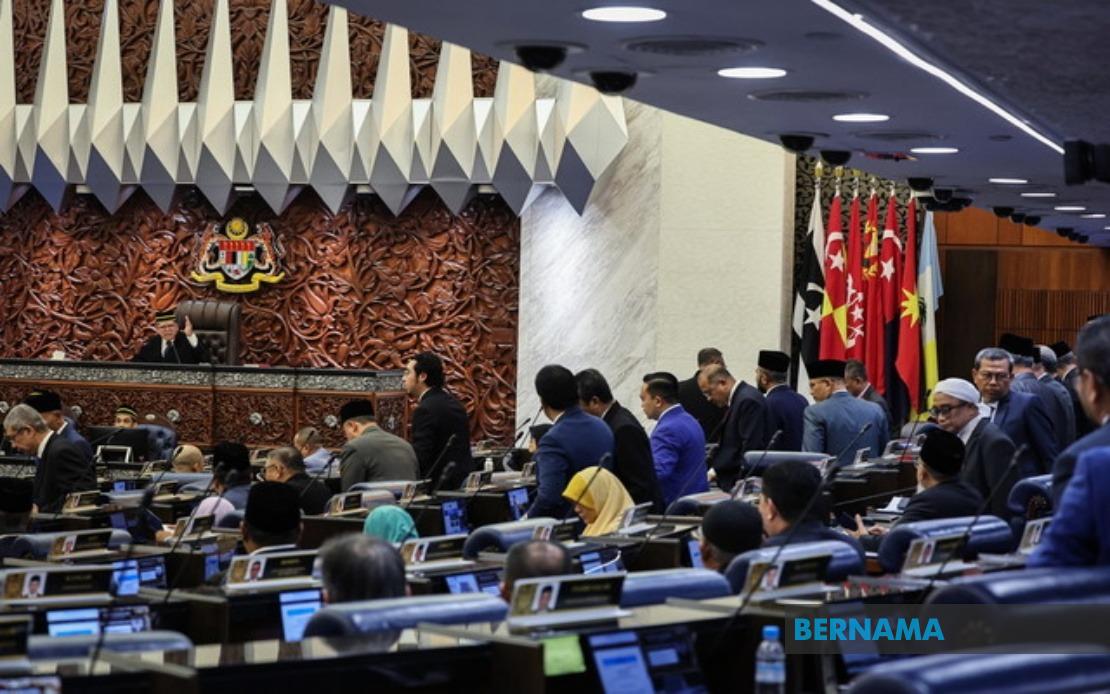
The Dewan Rakyat witnessed a significant political protest on August 11 when Opposition Leader Datuk Seri Hamzah Zainudin and several Perikatan Nasional MPs exited the chamber, declining to participate in parliamentary debate over the Royal Commission of Inquiry report into the troubled finances and governance of Lembaga Tabung Haji. The coordinated walkout represented a notable display of dissent from the opposition benches and signalled rising tensions over how Parliament was handling scrutiny of one of Malaysia's most important Islamic financial institutions.
Among those who departed were key PN figures including Chief Whip Datuk Seri Takiyuddin Hassan and PN chairman Datuk Seri Dr Samsuri Mokhtar, whose presence would normally be essential for directing party positions during parliamentary debate. The exit of these senior MPs underscored the seriousness with which the opposition viewed its grievance. Several PAS-aligned lawmakers also joined the boycott, including Datuk Rosol Wahid from Hulu Terengganu, Mohd Syahir Che Sulaiman representing Bachok, Dr Halimah Ali from Kapar, and Datuk Siti Zailah Mohd Yusoff of Rantau Panjang. PKR MPs Datuk Wan Saifulruddin Wan Jan, Wan Ahmad Fayhsal Wan Ahmad Kamal, and Datuk Seri Dr Ronald Kiandee similarly absented themselves from the proceedings.
The boycott, however, was not universal across opposition ranks. Some MPs chose to remain and participate in the sitting, demonstrating fissures within the PN coalition. Notably, two Bersatu MPs—Putrajaya's Datuk Dr Radzi Jidin and Langkawi's Datuk Mohd Suhaimi Abdullah—stayed in the chamber to observe the special sitting, suggesting different strategic calculations within the broader opposition structure. This split reflected internal disagreements about whether boycotting would be an effective political tactic or counterproductive to scrutinising the government's record on Tabung Haji governance.
Takiyuddin had formally proposed that the sitting be adjourned before the walkout occurred, citing the absence of Prime Minister Datuk Seri Anwar Ibrahim and Deputy Prime Minister Datuk Seri Fadillah Yusof, both of whom were receiving medical treatment. The health-related absences of these two senior government figures provided the immediate justification for the opposition's decision to withdraw from the chamber. This approach allowed PN to frame its boycott not merely as partisan obstruction but as a principled stand against proceeding with important parliamentary business when key executives were unavailable to answer for their government's actions or policies.
The TH RCI, which became public on July 29, emerged from government acknowledgement that its findings warranted transparent disclosure to the Malaysian populace. The inquiry examined governance and operational shortcomings spanning the 2014-2020 period, a critical window during which Tabung Haji faced mounting difficulties with its investments and fund management. The commission produced 25 recommendations intended to address systemic weaknesses and improve institutional performance. By late July, Tabung Haji had reportedly implemented roughly 75 per cent of these recommendations, signalling some responsiveness to the inquiry's prescriptions, though questions remained about the adequacy and pace of reforms.
The special parliamentary sitting was explicitly designed to enable MPs to examine the RCI findings thoroughly and place their views on record. Such sittings are rare and represent Parliament's mechanism for forensic investigation of significant issues affecting national interests and public assets. The Tabung Haji RCI was particularly consequential because the institution manages over RM70 billion in pilgrim funds and represents a foundational element of Malaysia's Islamic financial ecosystem. Any governance failures carry implications not only for individual pilgrims but for Malaysia's reputation within the Muslim world and the broader integrity of Islamic finance in Southeast Asia.
For Malaysian readers and regional observers, the walkout illustrated deeper political dynamics at play in contemporary Malaysian politics. The PN coalition, despite controlling fewer parliamentary seats than the government, remains a formidable oppositional force capable of coordinated action. The decision to withdraw rather than engage in substantive parliamentary debate suggested calculation that absence might amplify their message more effectively than confrontational rhetoric in the chamber. Alternatively, it reflected frustration with parliamentary procedures that they perceived as stacked against meaningful opposition scrutiny when executive leaders were unavailable.
The partial nature of the PN boycott, with some MPs remaining, hinted at underlying strategic disagreements about opposition tactics. Bersatu's different approach from PAS on this question may reflect the former's positioning within broader political negotiations, as the party maintains some commonality with government-linked forces. This internal division potentially weakens PN's ability to present a unified front against the government on critical governance issues, a consideration likely influencing future coalition cohesion.
The TH RCI debate carried substantial implications beyond parliamentary procedure. Tabung Haji's financial travails had resulted in reduced dividend payments to pilgrims over recent years, directly affecting hundreds of thousands of Malaysians and their families planning for hajj. Public concern about whether governance reforms would adequately protect pilgrim interests remained high. The parliamentary debate represented an opportunity for detailed questioning of implementation progress and potential further remedial action, making the opposition's withdrawal potentially costly to their credibility as watchdogs of institutional accountability.
The incident also reflected broader questions about parliamentary effectiveness in Malaysian democracy. When major debates proceed without full opposition participation, Parliament's capacity to generate the full spectrum of scrutiny and counterargument diminishes. The government arguably benefited from a less combative sitting, but the legitimacy of parliamentary proceedings depends partly on genuine engagement from substantial opposition contingents. Whether the PN's tactical choice would ultimately strengthen their political positioning or damage their profile as serious parliamentary participants remained uncertain.

