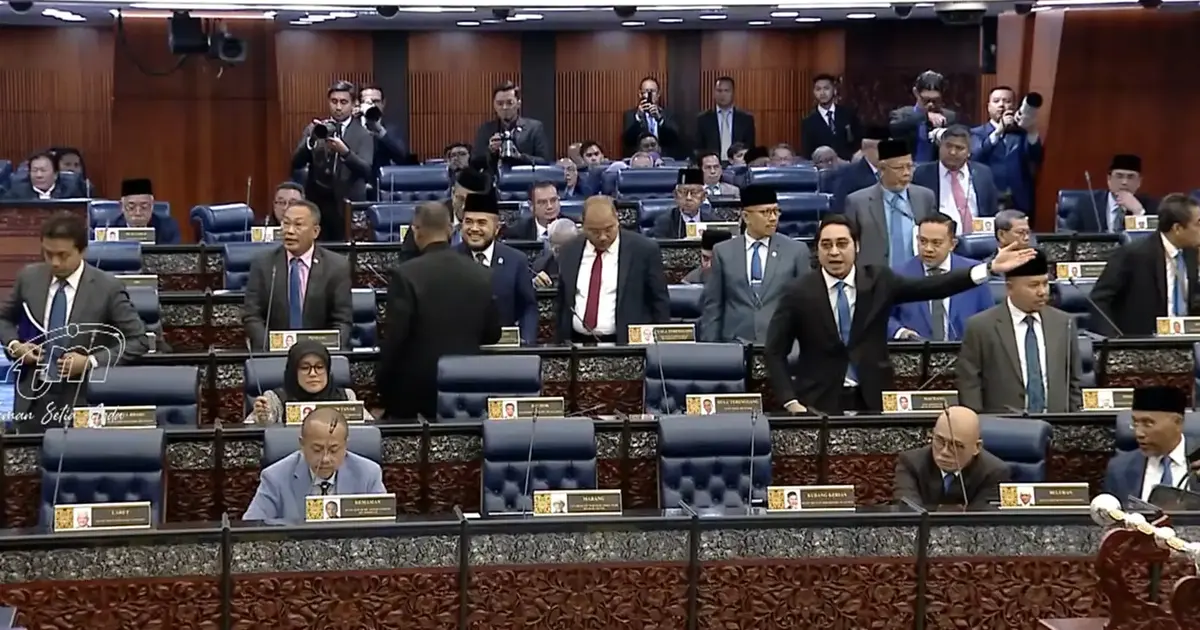
Perikatan Nasional (PN) MPs orchestrated a walkout from the Dewan Rakyat following the Speaker's decision to reject their appeal for a postponement of a special parliamentary sitting, escalating tensions within Malaysia's fractious legislative chamber. The opposition coalition had sought to reschedule the proceedings to ensure the Prime Minister could participate in discussions, viewing his absence as undermining the legitimacy and importance of the session. However, the presiding officer maintained that the sitting would proceed as scheduled, prompting PN lawmakers to abandon their seats in a coordinated show of dissent that underscored deepening divisions over parliamentary procedure and executive privilege.
The walkout represents a significant moment of political theatre in Kuala Lumpur's parliament complex, where procedural disputes frequently mask deeper disagreements over governance and authority. PN's insistence that the Prime Minister's attendance was essential reflected the coalition's broader contention that major parliamentary business requires the head of government's direct involvement and oversight. This position challenges the operational norms that have increasingly allowed major bills and motions to proceed with ministers deputising for the Prime Minister, a practice that opposition and coalition members alike have criticised as diminishing parliamentary significance.
The Speaker's refusal to accede to the postponement request signals a determination to maintain the parliamentary schedule irrespective of executive convenience, a stance that carries implications for how Malaysia's parliament functions in an era of coalition fragmentation. When a Prime Minister cannot or will not attend major sessions, the question of whether those sessions retain full authority and legitimacy becomes acute. PN's position, though theatrically expressed through the walkout, touches on a legitimate constitutional concern about the separation of powers and the proper role of the executive in parliamentary affairs.
Notably, Bersatu, the Malay-Muslim party that forms a significant component of PN alongside PAS and other smaller entities, declined to participate in the walkout. This absence reveals fissures within the opposition coalition itself and suggests that consensus on parliamentary strategy remains elusive even within nominally unified blocs. Bersatu's abstention may reflect calculations about its political standing, internal party dynamics, or a different assessment of the strategic value of such protests. The party's decision to remain seated while other PN members departed highlights the precarious nature of coalition unity in contemporary Malaysian politics, where member parties frequently pursue divergent interests.
The special sitting in question touches on matters of sufficient importance that both sides regarded the attendance question as worth parliamentary conflict. Whether the focus concerned fiscal measures, constitutional amendments, or other weighty business, the dispute ultimately revolves around questions of parliamentary practice during a period when Malaysia's political system lacks a commanding single-party majority. The Prime Minister's capacity to attend parliament has become a point of leverage and contestation, with opposition groups using attendance as a litmus test of governmental seriousness.
For Malaysian observers tracking parliament's evolution, this incident exemplifies how procedural mechanisms have become battlegrounds in substantive political conflicts. The Speaker, as custodian of parliamentary rules and operations, must navigate demands from multiple quarters while maintaining the institution's integrity and functionality. The refusal to postpone, while formally correct under standing orders, reflects a judgment that the business of parliament cannot perpetually await executive convenience. This posture assumes growing importance as coalitions become more fragmented and the ability to command unified parliamentary support declines.
The broader context involves Malaysia's transition from dominant-party rule toward a more competitive and volatile political environment. When single parties commanded overwhelming majorities, questions about the Prime Minister's availability for every session seemed almost quaint. Today, with parliament becoming genuinely contested terrain, the symbols and substance of executive presence carry heightened weight. PN's insistence on the PM's attendance, dismissed by government supporters as obstructionism, reflects opposition concerns that significant legislation is being passed without rigorous executive accountability in the chamber.
International observers and regional analysts often note that Southeast Asian parliaments have strengthened considerably in recent decades, with Malaysia's democratic institutions increasingly willing to push back against executive overreach. This incident, while seemingly procedural, contributes to that broader narrative of institutional assertiveness. The Speaker's decision to maintain the parliamentary schedule despite PN's objections exemplifies an institution declining to automatically defer to executive preferences, a development that Malaysian democracy advocates generally welcome even when specific applications prove contentious.
Looking ahead, the walkout and its underlying dispute will likely influence how subsequent special sittings are scheduled and managed. Government members may face growing pressure to ensure the Prime Minister's presence at significant parliamentary business, recognising that opposition parties will continue leveraging attendance as both substance and symbol. Conversely, the Speaker's precedent suggests that parliament's business will proceed according to established schedules rather than accommodating executive timetables, a principle that strengthens the legislature's independence even as it occasionally generates friction.
The incident also carries implications for how Bersatu and other PN component parties calibrate their positioning relative to coalition allies and government. As political realignments continue to reshape Malaysia's landscape, decisions to participate or abstain from parliamentary protests carry consequences for inter-party relationships and perceived unity. PN's internal fracturing over this walkout suggests that maintaining coalition discipline remains challenging, particularly when parties harbour differing assessments of confrontational tactics.
Ultimately, the special Dewan Rakyat sitting proceeded amid these tensions, with PN's absence reducing opposition numbers but failing to prevent business from advancing. The episode illustrates how Malaysian parliament operates increasingly as a contested space where procedural disputes carry political weight, executive attendance patterns shape legislative dynamics, and coalition cohesion remains perpetually fragile. As parliament continues asserting its prerogatives against executive preferences, such confrontations will likely recur, shaping both institutional norms and the broader trajectory of Malaysia's democratic evolution.

