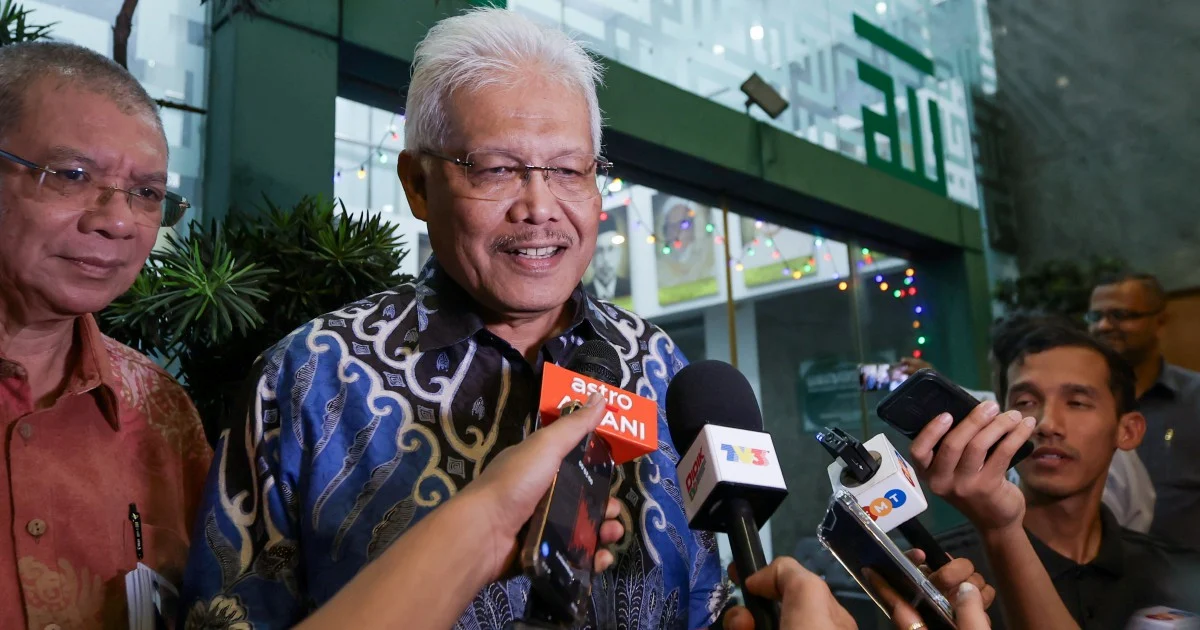
Perikatan Nasional's chief whip, Datuk Seri Takiyuddin Hassan, has lodged an official notification with Parliament's Speaker concerning the reappointment of Datuk Seri Hamzah Zainudin to the position of opposition leader. The formal submission to the Dewan Rakyat fulfils constitutional requirements for designating the parliamentary spokesperson for the coalition's opposition bloc.
Hamzah Zainudin's continued appointment reflects Perikatan Nasional's decision to maintain stable leadership in its parliamentary operations during the current legislative term. The opposition leader role carries significant institutional weight, as the designated figure receives official recognition, parliamentary resources, and procedural privileges to represent the opposition coalition's interests in the chamber.
For Malaysian observers, the formality of this notification underscores how constitutional mechanisms structure parliamentary governance even outside the government benches. The Speaker's office must maintain accurate records of opposition representation to properly allocate debate time, questions, and other parliamentary functions. This administrative process, though routine, ensures transparency and accountability in the legislature's day-to-day operations.
Peaikatan Nasional's decision to continue with Hamzah signals the coalition's confidence in his parliamentary performance and demonstrates commitment to institutional stability. Opposition leadership requires navigating complex dynamics—balancing criticism of government policies with constructive engagement on legislative matters, managing diverse interests within a multi-party coalition, and maintaining party discipline across various parliamentary procedures.
Hamzah, who hails from Peninsular Malaysia's political establishment, brings experience in parliamentary affairs to the role. His reappointment suggests that internal coalition deliberations concluded his continued tenure best served PN's parliamentary interests and public positioning. Maintaining consistent opposition leadership prevents the institutional dissonance that frequent changes might create and allows for coherent parliamentary strategy development.
The timing of this formal notification may carry political significance beyond mere procedural requirements. Government-opposition relations in Malaysia have evolved considerably, particularly as coalitions have shifted and reformed over recent parliamentary terms. Clear designation of opposition leadership through official channels helps establish clear communication protocols between parliamentary management on both sides of the divide.
For Malaysian readers following parliamentary developments, understanding these formal procedures illuminates how institutions function beyond headline-grabbing debates. The Speaker's office maintains detailed records of parliamentary representatives, ensures proper functioning of procedural rules, and facilitates the legislature's complex operations. Opposition leader designation directly affects access to parliamentary facilities, speaking opportunities, and committee representation.
Peackatan Nasional comprises multiple political parties with sometimes competing regional and ideological interests. Hamzah's leadership of the opposition coalition requires diplomatic skill in balancing these various components while presenting a unified parliamentary front. His reappointment indicates that coalition leadership assessed his ability to navigate these internal dynamics successfully.
The opposition's parliamentary role extends beyond merely criticizing the government. Effective opposition engagement involves scrutinising legislation, holding ministers accountable through questions and motions, proposing alternative policies, and representing constituent concerns. These functions depend on clear institutional structures, adequate resources, and recognition from the Speaker's office—all formalized through notifications like Takiyuddin's submission.
In the broader context of Malaysian politics, opposition strength and coherence matter for democratic health. A well-organized, principled opposition provides essential checks on executive power, encourages rigorous policy examination, and ensures that minority viewpoints receive parliamentary hearing. The formal reappointment of opposition leadership contributes to institutional predictability and democratic stability.
Regional developments also merit consideration here. Across Southeast Asia, opposition representation varies significantly—some legislatures grant substantial resources and recognition to opposition leadership, while others marginalise opposition voices. Malaysia's approach, formalizing opposition leadership through Speaker's office notification, reflects relatively mature democratic institutional practice for the region, though critics debate whether sufficient parliamentary space remains for robust opposition activity.
Looking forward, Hamzah's reappointment sets the stage for parliamentary dynamics during the current session. Opposition effectiveness will depend not merely on formal designation but on strategic choices regarding which government policies warrant intense scrutiny, how opposition parties coordinate their positions, and whether opposition members succeed in persuading government backbenchers to support certain amendments or alternative approaches.

