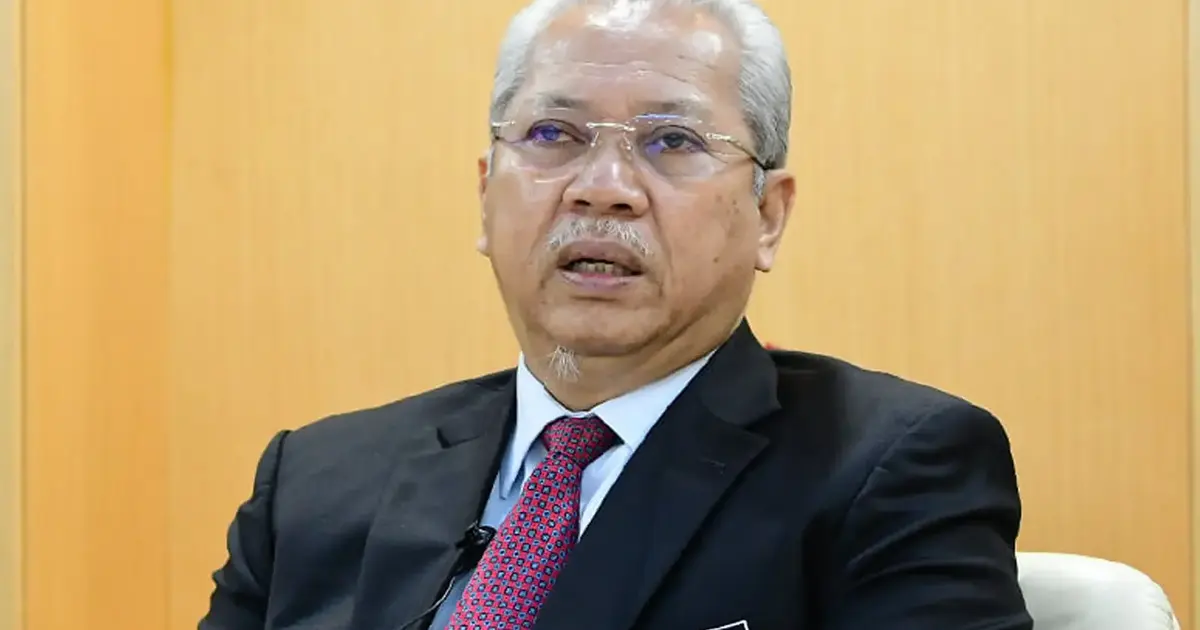
The Perikatan Nasional coalition will bring crucial outstanding matters to the table when its Supreme Council meets on Monday, with party information chief Annuar Musa indicating that unresolved tensions surrounding Bersatu's future within the alliance and contestation over the coalition's emblem remain on the agenda. The meeting represents a critical juncture for a coalition that has faced mounting internal friction, and decisions taken could reshape the political landscape ahead of state-level electoral contests.
Annuar Musa made clear that the platform available at the Supreme Council gathering—the highest decision-making body within PN—offers the only appropriate forum for addressing the multifaceted disagreements that have simmered within the coalition. The information chief's statement suggests that previous attempts at resolving these matters through other channels have proven insufficient, necessitating intervention at the apex of the alliance's governance structure. This elevation of the dispute to the Supreme Council indicates the gravity with which coalition leadership views the underlying tensions.
The question of Bersatu's continued membership within PN has become increasingly fraught, with speculation circulating about the party's long-term commitment to the coalition framework. For observers of Malaysian politics, Bersatu's position carries particular significance given the party's history of strategic repositioning and its substantial parliamentary influence. The ambiguity surrounding the party's status has created uncertainty not only among coalition partners but also within Bersatu itself, potentially complicating the bloc's ability to present a unified front to voters.
Loyal support for PN's organisational integrity has been tested by disagreements over branding and resource allocation. The coalition's logo represents far more than symbolic imagery—it embodies electoral viability, voter recognition, and the accumulated political goodwill of the alliance's collective campaigning efforts. Control over which parties may deploy the logo in their campaigns carries direct consequences for candidate visibility and electoral prospects, making the matter both practically significant and politically charged.
The forthcoming elections in Johor and Negeri Sembilan have injected urgency into PN's internal negotiations. These state-level contests present opportunities for the coalition to demonstrate strength and consolidate regional influence, yet unresolved internal disputes threaten to undermine the coordinated approach necessary for electoral success. Seat allocations between coalition members—a perennially contentious issue in Malaysian political alliances—require Supreme Council approval, and disagreements over distribution may have blocked earlier resolution attempts.
For Malaysian voters in these states, the delays in announcing final seat allocations create uncertainty about which candidates will represent the coalition in their constituencies. This administrative limbo can dampen campaign momentum and frustrate grassroots party members tasked with mobilising support without confirmed candidate lists. The coalition's internal wrangling thus carries direct consequences extending far beyond boardroom discussions.
Johor's electoral significance cannot be overstated within Malaysian politics, given the state's substantial parliamentary representation and economic importance. Similarly, Negeri Sembilan, though smaller, occupies a strategic position within the broader peninsular political calculus. For PN, demonstrating cohesion and electoral competitiveness in both contests will be crucial for maintaining momentum heading into subsequent electoral cycles and reinforcing claims to legitimate governing alternatives.
The timing of the Monday meeting suggests that coalition leadership recognises the political cost of continued deadlock. Protracted internal disputes invite opposition accusations of disunity and weakness, potentially translating into voter hesitation at the ballot box. The Supreme Council's convening signals a determination to break the impasse and present a resolved coalition to the electorate, though the depth of underlying disagreements raises questions about whether structural solutions can be fashioned that satisfy all parties.
Bersatu's trajectory within PN will likely be influenced by calculations about electoral performance and longer-term political leverage. The party's leadership must weigh the benefits of coalition participation—including shared campaign resources, voter crossover effects, and collective negotiating power—against the constraints imposed by coordination requirements and seat-sharing compromises. For coalition partners, accommodating Bersatu requires accepting constraints on their own expansion and candidate deployment.
The logo dispute, meanwhile, reflects deeper questions about PN's institutional development and governance norms. Clearly delineated rules governing logo usage would prevent recurrent disputes, yet establishing such frameworks requires consensus on foundational questions about member rights and coalition identity. The Supreme Council will need to balance protecting individual parties' interests with ensuring the coalition presents coherent branding to voters.
Looking forward, the Supreme Council's decisions on Monday will establish precedents for how PN manages internal disagreements and allocates resources. Malaysian political observers will be watching closely to determine whether the coalition can forge durable compromises or whether the Monday meeting merely postpones conflicts destined to resurface. The outcome will signal whether PN possesses the institutional maturity required to function as a genuine alliance or whether it remains fundamentally a vehicle for individual party interests.

