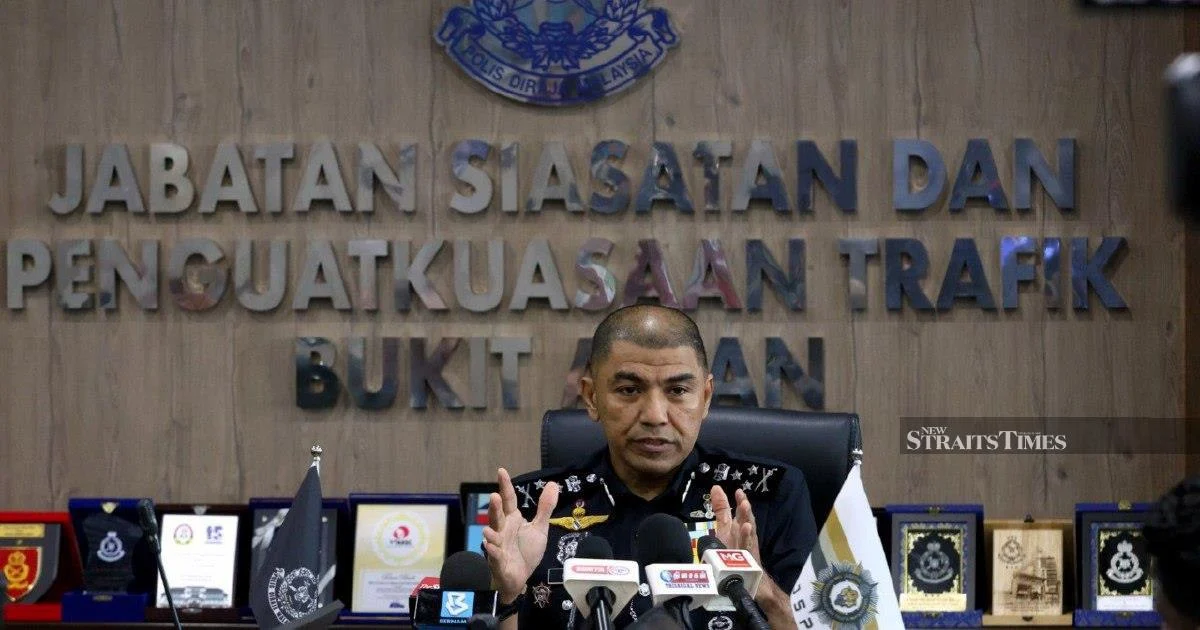
Police have brought enforcement action against 121 commercial vehicle drivers accused of driving while under the influence of narcotics, according to figures released from a coordinated nationwide operation spanning three months. The scale of these arrests underscores mounting anxieties within law enforcement circles regarding substance abuse among operators of buses, trucks, and other heavy commercial vehicles traversing Malaysian highways and urban routes.
The integrated enforcement operation, which saw participation from multiple police units working in coordination, represents a significant effort to combat what authorities regard as a serious public safety hazard. The targeting of commercial vehicle drivers reflects a strategic focus on road safety, given the inherent risks posed when operators of large vehicles—capable of carrying dozens of passengers or tonnes of cargo—operate their vehicles while chemically impaired.
Drug-related impairment poses distinct dangers in the context of commercial transportation. The reaction times, judgment, and motor coordination required to safely pilot a fully-laden truck or passenger bus become severely compromised when a driver is under the influence of substances. The consequences of impaired driving in such circumstances extend far beyond the individual driver, potentially endangering passengers, other motorists, and pedestrians sharing Malaysia's road network.
The three-month operational window allowed enforcement teams to conduct surveillance, conduct roadside testing, and pursue follow-up investigations across multiple jurisdictions. Such prolonged operations often yield better results than brief crackdowns, as they enable police to build patterns of offending and identify repeat violators or trafficking networks that may supply drugs to drivers.
This enforcement activity coincides with broader regional concerns regarding substance abuse among transport workers. Across Southeast Asia, trucking and bus driving communities have faced documented challenges with stimulant use, particularly among long-haul operators attempting to combat fatigue during extended shifts. The drugs commonly detected in such operations often include methamphetamine and other amphetamine-type stimulants that temporarily elevate alertness but ultimately impair judgment and increase accident risk.
The commercial transport sector in Malaysia employs hundreds of thousands of drivers who operate critical supply chains and passenger services. Any systemic issue affecting driver conduct carries ripple effects throughout the economy and society. When enforcement authorities identify substance abuse patterns among this workforce, it signals the need for preventative interventions—including workplace testing regimes, training initiatives, and stricter licensing protocols.
Law enforcement's emphasis on this particular demographic also reflects the principle of risk-based policing. Commercial vehicles represent a disproportionate threat level when operated by impaired drivers compared to private passenger vehicles. A bus carrying 40 passengers or a 20-tonne truck poses exponentially greater danger than a family saloon, making focused enforcement on commercial operators a rational allocation of police resources.
The investigation and arrest process involves multiple steps beyond roadside detention. Drivers taken into custody would undergo drug screening through urine tests or blood samples, which can identify a range of controlled substances. Positive results then lead to criminal charges under relevant legislation, with penalties varying depending on the drugs detected and the driver's history of offending.
Beyond immediate enforcement, these arrests highlight the importance of industry-level responses. Transport companies operating commercial fleets hold responsibility for ensuring their drivers are fit for duty. Many established operators already implement pre-employment drug screening and periodic testing throughout employment, but enforcement data suggesting high arrest figures may indicate gaps in industry compliance or the activities of less scrupulous operators who cut corners on safety protocols.
The figures also underscore the persistence of supply-side issues. For drivers to be using drugs while operating vehicles, drugs must be accessible to them. Law enforcement strategies targeting the enforcement end alone—arresting impaired drivers—only partially address the problem without corresponding efforts to disrupt drug distribution networks that make substances available to this vulnerable workforce.
Median transport industry groups and government authorities may need to collaborate more intensively to develop comprehensive prevention strategies. These could encompass enhanced licensing standards, mandatory drug education for commercial drivers, improved reporting mechanisms for detecting impaired operation, and support services for drivers struggling with substance dependence.
The three-month operational period now concluded provides valuable baseline data about the extent of drug-impaired commercial vehicle operation across Malaysia. As enforcement information is analysed, patterns may emerge revealing which regions face higher concentrations of offending, which substances pose the greatest concern, and which times of day or transport routes experience the most incidents. Such intelligence can inform future targeted interventions.
Moving forward, maintaining sustained attention to this issue will be critical. The 121 arrests represent both a success in enforcement terms and a concerning indicator of underlying substance abuse patterns requiring comprehensive, multifaceted responses across police, industry, regulators, and health sectors.

