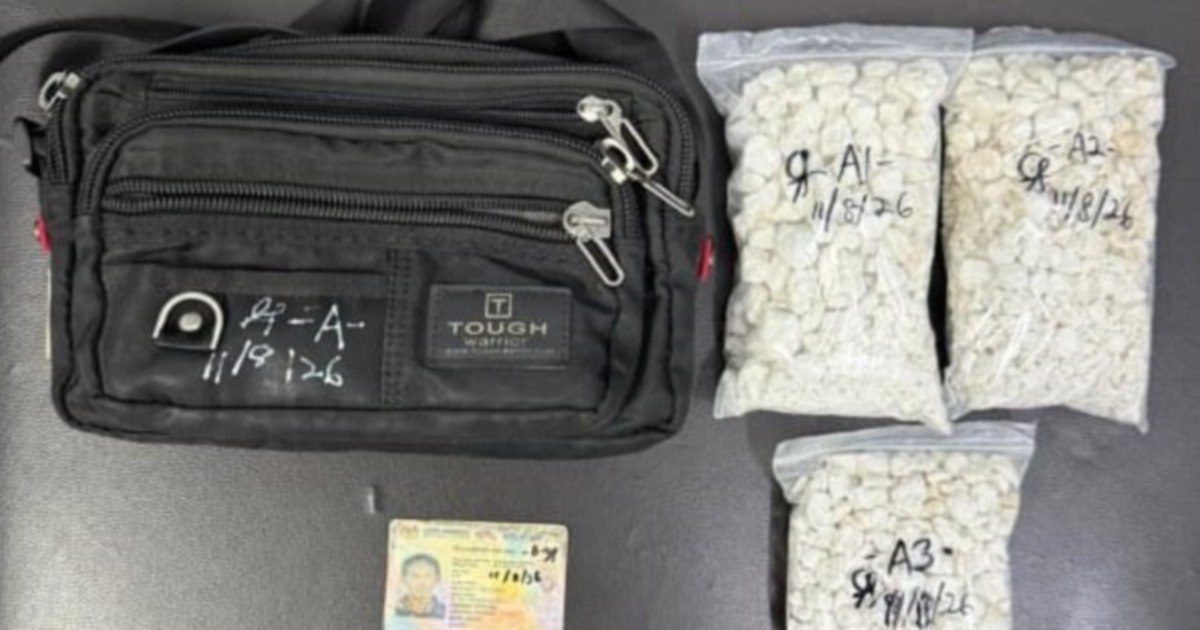
Authorities in Kluang district have made a significant drug seizure following an early morning narcotics raid in Simpang Renggam. Police arrested a 42-year-old man and recovered 1.055kg of substances identified as heroin, with an estimated street value of RM10,128. The operation underscores continued efforts by law enforcement to combat drug trafficking in Johor, one of the nation's key entry points for illicit narcotics destined for Malaysian and regional markets.
The seizure represents a meaningful intercept of heroin, a drug that continues to fuel addiction and related criminal activity across Malaysia. Johor's strategic location along major trafficking corridors makes drug enforcement operations in the state particularly important for disrupting supply chains. The Simpang Renggam area, a transport hub connecting communities in the district, has periodically featured in narcotics busts, highlighting its significance as a transit point for controlled substances moving through the region.
The suspect's age—42 years old—falls within a demographic that has traditionally been involved in mid-level drug distribution networks. Understanding the involvement of individuals across different age groups helps authorities identify patterns of recruitment and operational structures within trafficking organisations. The scale of the seizure, while notable at over a kilogramme, reflects the quantities typically encountered in regional enforcement actions targeting dealers rather than wholesale traffickers.
Heroin remains one of Malaysia's most pressing drug challenges. The narcotic drives significant health burdens through overdose deaths, infectious disease transmission among users, and the social costs of addiction. Law enforcement agencies have intensified efforts to disrupt heroin supplies following the implementation of various anti-trafficking strategies coordinated between federal and state authorities. Each successful intercept removes dangerous quantities from circulation and provides intelligence opportunities for tracking supplier networks.
The valuation of the heroin at RM10,128 reflects typical street pricing for retail-level quantities in Malaysian markets. Heroin's profitability drives persistent trafficking despite enforcement risks, creating strong economic incentives for individuals to participate in distribution networks. The potential prison sentences and penalties for heroin trafficking, however, position individuals like the arrested suspect at considerable legal jeopardy under Malaysia's Dangerous Drugs Act provisions.
Simpang Renggam's prominence in this operation reflects broader law enforcement priorities across Johor. The district experiences regular narcotics raids as authorities target known trafficking hotspots and respond to intelligence regarding supplier movements. The early morning timing of this raid demonstrates a tactical approach aimed at catching suspects during off-guard hours, a technique that improves arrest success rates and reduces risks to officers during apprehension.
For Malaysian communities, drug seizures serve multiple purposes beyond removing substances from markets. Public awareness of enforcement actions reinforces messaging about law enforcement capabilities and consequences for trafficking involvement. The announcement of arrests and recovered quantities demonstrates police responsiveness to community safety concerns and resource allocation toward drug control objectives. These operations also generate intelligence data that informs strategic planning by narcotics units.
The broader context of this Simpang Renggam seizure involves Malaysia's ongoing struggle with heroin availability. Supply remains consistent despite enforcement efforts, suggesting that trafficking networks maintain reliable production and transit arrangements. Regional cooperation between Malaysian authorities and neighbouring countries continues to be essential for targeting trafficking at source and transit points. Transnational drug organisations regularly adapt routes and methods to circumvent enforcement, creating a persistent challenge for law enforcement agencies.
For individuals caught with heroin quantities, the criminal consequences are severe. Malaysian law prescribes lengthy prison terms for trafficking offences, with sentences depending on quantity and circumstances. The 1.055kg recovered from this suspect positions him within ranges that could trigger substantial penalties, though final charges and sentencing would depend on prosecution evidence and judicial proceedings. Cooperation with authorities during investigation sometimes influences outcomes in narcotics prosecutions.
Looking forward, this seizure contributes to ongoing data collection regarding heroin trafficking patterns in Johor. Police use information from busts to map trafficking corridors, identify supplier organisations, and anticipate future smuggling activities. The incident also highlights the operational importance of sustained enforcement presence in areas like Simpang Renggam that experience consistent trafficking activity. Continued vigilance and targeted operations remain essential components of Malaysia's strategy to reduce heroin availability and associated harms.

