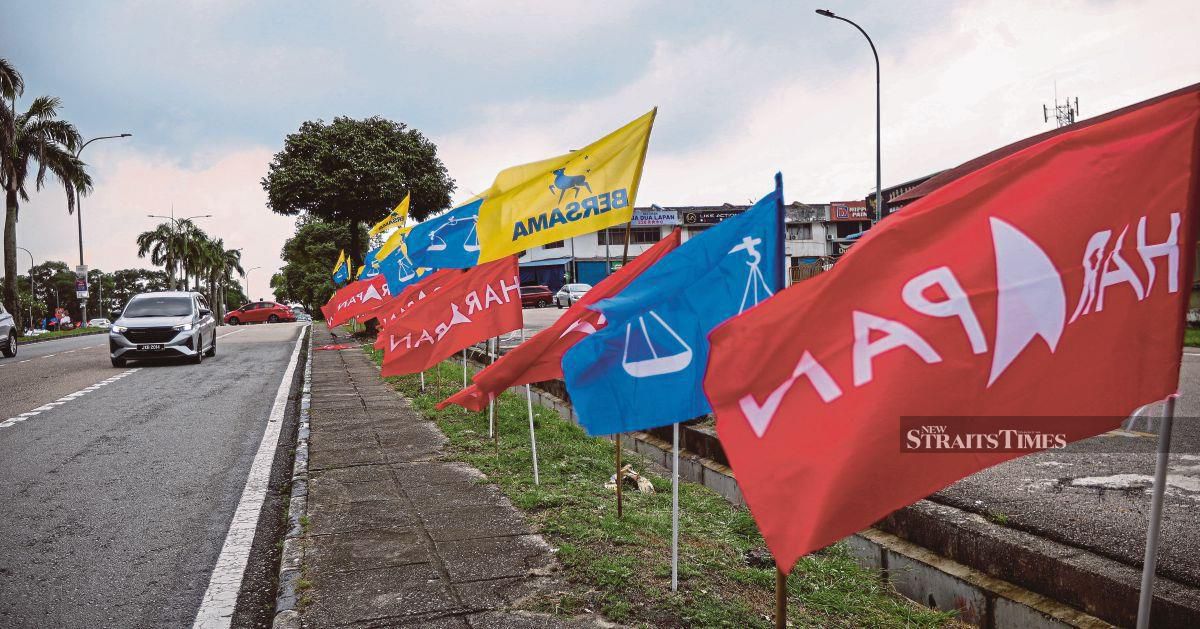
Law enforcement authorities in Johor Baru have formally commenced investigations into election-related misconduct, having received 56 separate reports and established 18 investigation papers concerning alleged violations during the 16th Johor state election campaign. The enforcement period covers the campaign duration spanning from July 27 until yesterday's conclusion, reflecting intensified police scrutiny during what is typically a sensitive period for electoral integrity across Malaysia.
The initiation of multiple investigation papers indicates the seriousness with which authorities are treating complaints filed by the public and monitoring organisations throughout the campaign period. The disparity between the number of reports received and investigation papers opened suggests that police conducted preliminary assessments and consolidated related allegations into broader probes, a standard investigative procedure that allows authorities to examine potential patterns of misconduct rather than treating each incident in isolation.
Election offences in Malaysia encompass a broad range of violations under the Election Offences Act. These typically include bribery, treating voters to gifts or money to influence voting behaviour, unregistered or unauthorised campaign activities, violations of campaign spending limits, and breaches of the election code of ethics. The variety of allegations received during Johor's campaign indicates that election monitoring mechanisms, both governmental and civic, remain vigilant throughout the voting process.
The timing of such investigations during state election campaigns reflects Malaysia's regulatory framework, which places specific restrictions on political activities and campaign conduct during designated periods. The Election Commission carefully monitors compliance with these rules to maintain fairness and transparency. When breaches occur, they must be reported to police for formal investigation rather than handled solely through administrative channels, ensuring that serious violations receive appropriate scrutiny.
For Malaysian voters and observers, the police response demonstrates that election oversight involves multiple layers of accountability. Beyond the Election Commission's administrative role and political parties' own internal standards, police investigations provide a criminal justice mechanism to deter serious misconduct. This three-tiered approach—administrative oversight, party discipline, and criminal investigation—aims to protect the integrity of the electoral process across the nation's states and federal territories.
Johor state elections carry particular significance within Malaysia's political landscape. As the second-largest state by area and one of the most economically developed regions, voting outcomes in Johor frequently influence broader national political trends. Consequently, the state attracts considerable campaign intensity, campaign spending, and media attention, potentially creating more opportunities for regulatory breaches. The 18 investigation papers thus represent investigations into matters occurring within this high-stakes electoral environment.
The nature of specific allegations remains unclear pending investigation outcomes, but common election offences investigated in Malaysian state polls typically involve attempts by candidates or their agents to influence voters through improper inducements, failures to register campaign machinery properly, or spreading of misleading information about candidates or the voting process itself. Each category presents different challenges for investigators and requires distinct evidentiary approaches.
Police investigations into election offences generally require careful handling to maintain public confidence that enforcement is impartial and not motivated by partisan political considerations. The involvement of law enforcement, rather than allowing elections bodies to address all matters internally, underscores that certain alleged violations are serious enough to warrant criminal investigation. This approach signals that election integrity matters beyond the political process itself—it engages the criminal justice system.
The investigation timeline will likely extend beyond the actual polling period, as police typically require weeks or months to complete thorough inquiries into electoral misconduct. Subjects of investigation may face charges under the Election Offences Act, which carries penalties including fines and imprisonment, depending on the severity of proven violations. Conviction of election offences can also result in political disqualification, preventing individuals from contesting elections for specified periods.
Regional observers of Malaysian elections note that the opening of investigation papers during campaigns serves a deterrent function. Knowledge that police actively investigate complaints encourages candidates and campaign operatives to comply with electoral regulations. Conversely, the actual implementation of investigations and prosecutions demonstrates that deterrence is credible rather than theoretical, maintaining public trust in electoral processes across Southeast Asia's largest economy.
The 56 reports received during the campaign period indicate active civic engagement with electoral oversight mechanisms. Malaysian voters, civil society organisations, and party agents contributed reports, suggesting awareness of where to lodge complaints and confidence that authorities would receive and process allegations. This public participation in reporting election offences reflects the broader culture of electoral monitoring that has developed in Malaysia over successive election cycles.
As investigations proceed, outcomes will likely influence discussions about election conduct in future state and federal polls. Successful prosecutions reinforce compliance expectations, while high acquittal rates or inconclusive investigations may prompt Election Commission reviews of monitoring procedures and police handling of allegations. For Johor specifically, the investigation outcomes could shape expectations for the next state election cycle and potentially inform broader national reforms to electoral integrity mechanisms.

