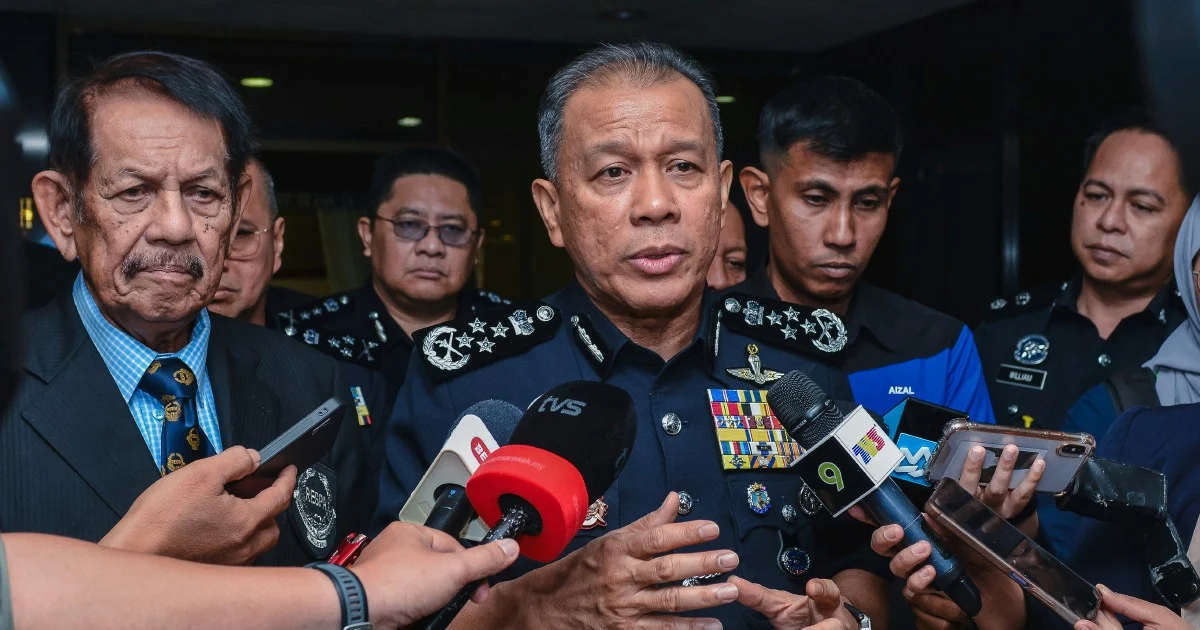
The Royal Malaysian Police have opened a formal disciplinary investigation into one of their members following the emergence of a viral video that drew widespread public attention and criticism. According to police leadership, the incident involves allegations that the officer in question made insulting remarks directed at local residents while travelling in China, conduct that breached expectations of professional behaviour and decorum expected of law enforcement personnel.
The decision to launch the probe reflects the heightened scrutiny Malaysian police face in the digital age, where incidents involving officers can rapidly circulate across social media platforms and reshape public perception of the force. The emergence of the video sparked considerable discussion within Malaysia and abroad, highlighting the reputational consequences that individual officer misconduct can inflict on institutional credibility. Senior police officials have signalled their commitment to addressing the matter through established internal accountability mechanisms.
The investigation represents a standard procedural response by the force to allegations of conduct unbecoming a police officer. Disciplinary processes within the Royal Malaysian Police typically examine whether members have violated the Police Act or internal codes of conduct governing professional standards. The process allows the force to examine the circumstances of the incident, verify the content of the video, and establish whether the alleged conduct occurred as portrayed in public discourse.
International travel by police officers has become increasingly complex from a professional standards perspective. Officers representing Malaysia abroad, whether on official duties or in a personal capacity, are understood to bear responsibility for maintaining public image and exercising discretion in their interactions with foreign nationals. The expectations placed on law enforcement personnel extend beyond Malaysia's borders, reflecting the interconnected nature of modern communications where any perceived misstep can quickly damage institutional reputation.
The case underscores broader challenges facing police organisations in managing member conduct during the social media era. A single moment of poor judgment, captured and disseminated online, can generate organisational consequences disproportionate to the original incident. This dynamic has prompted police forces globally to invest in training programmes emphasising professional conduct, cultural sensitivity, and awareness of digital surveillance.
China's significance as both a destination for Malaysian travellers and a major source of investment and cooperation for Malaysia adds diplomatic dimensions to the incident. The bilateral relationship, spanning trade, security cooperation, and growing tourism flows, benefits from maintaining respectful public conduct by representatives of both nations. Police management will likely consider these factors when determining appropriate disciplinary responses.
The investigation process will examine whether the officer's alleged comments constitute a violation of professional standards and what proportionate consequences might apply. Malaysian police discipline ranges from counselling and written warnings for minor infractions to suspension or dismissal for serious misconduct. The severity of the alleged insults and the context in which they were made will likely influence the outcome of the inquiry.
Public confidence in police institutions depends partly on the perception that the force maintains rigorous standards for member conduct and addresses violations through transparent processes. The police leadership's decision to publicly acknowledge the investigation and commit to disciplinary action signals awareness of this accountability expectation. Transparency in handling the matter may help mitigate reputational damage from the original incident.
The case also reflects the broader importance of cultural sensitivity and awareness training for police personnel. As Malaysia increasingly globalises and more officers travel internationally for professional development, training exchange programmes, or personal purposes, the need to understand and respect cultural norms in different contexts becomes increasingly important. Police organisations worldwide have expanded curricula addressing cultural competency and professional conduct in diverse settings.
The incident arrives amid ongoing efforts by police leadership to strengthen institutional discipline and address negative perceptions of the force. These efforts aim to rebuild public trust through consistent application of accountability measures and demonstrated commitment to professional standards. How the force handles this particular case will likely be scrutinised for evidence that disciplinary mechanisms operate fairly and consistently regardless of rank or seniority.
The investigation will proceed through established police procedures, likely involving interviews with the officer, examination of the video content, and assessment by disciplinary authorities. The process typically allows the officer opportunity to respond to allegations and present their perspective before conclusions are reached. Depending on findings, outcomes could range from exoneration if the allegations are deemed unfounded to various levels of disciplinary action if violations are substantiated.

