Authorities have initiated a formal investigation into the circumstances surrounding a death that occurred in police custody, following serious allegations of mistreatment levelled by human rights organisation Suaram. The development marks another chapter in Malaysia's ongoing scrutiny of conditions within the custodial system and the treatment of detainees held by enforcement agencies.
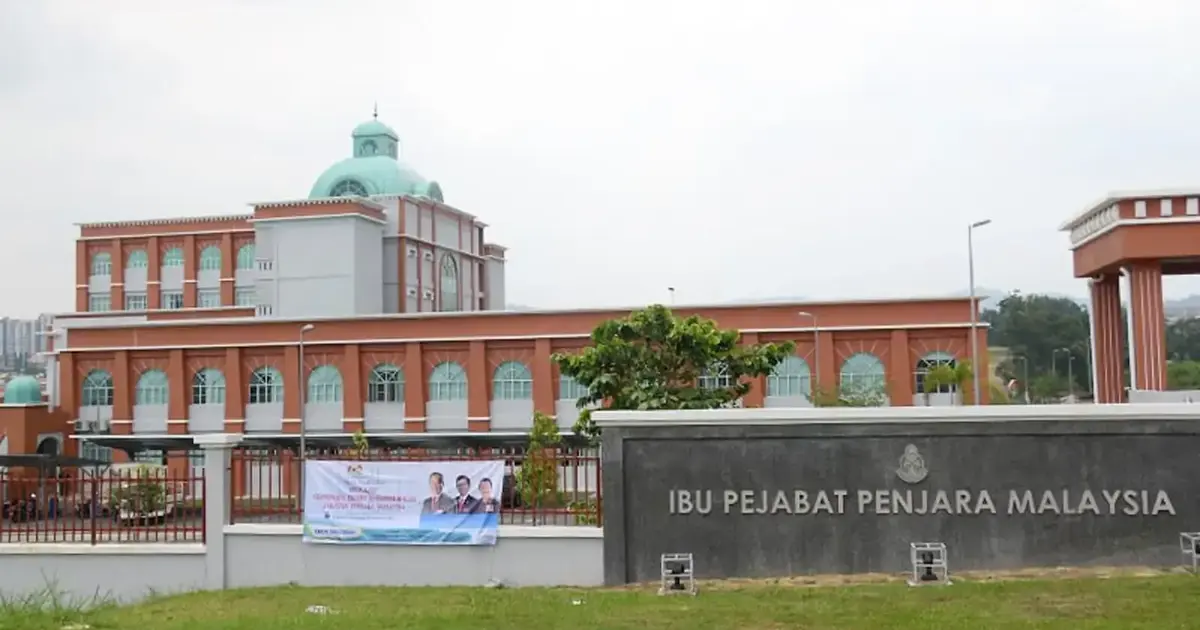
The prisons department has moved swiftly to address public concern by issuing a statement committing itself to complete transparency throughout the investigative process. Officials stressed that all relevant materials and personnel will be made available to investigating officers, signalling an apparent willingness to submit to external oversight. This proactive stance appears designed to counter narratives that government institutions operate with impunity or seek to obstruct accountability mechanisms.
Suaram's intervention underscores the critical role played by civil society organisations in monitoring state conduct. The rights group, which has long tracked allegations of abuse, torture, and improper detention practices across Malaysian law enforcement and correctional facilities, serves as a watchdog when institutional checks prove insufficient. Their decision to bring this particular case into the public domain suggests the allegations warrant serious consideration rather than dismissal as routine claims.
The timing of this investigation arrives amid broader regional and international scrutiny of Southeast Asian countries' human rights records. Malaysia, as a signatory to various international conventions, faces persistent questions about whether its legal and institutional frameworks adequately protect detainees' fundamental rights. Deaths in custody, whether accidental or resulting from negligence or deliberate abuse, represent failures of the duty of care that state authorities owe to persons under their control.
Malaysian detention facilities have historically been sites of concern for international human rights monitors. Overcrowding, inadequate medical facilities, limited access to legal representation, and alleged instances of physical mistreatment have been documented across multiple prisons and police lock-ups. When a death occurs within this environment, determining causation becomes crucial—whether it resulted from pre-existing medical conditions, accidents, neglect, or direct violence shapes both legal accountability and policy responses.
The decision by the prisons department to explicitly urge the public against premature speculation reflects awareness of how custody deaths can inflame public opinion and erode institutional credibility. By attempting to frame the investigation as independent and credible, authorities hope to contain reputational damage while maintaining legitimacy. However, public confidence ultimately depends on the investigation's actual independence, the transparency of its findings, and whether recommendations lead to substantive reform.
For Malaysian citizens and residents, this case carries implications for personal security. Anyone detained by police or imprisoned faces inherent vulnerability, particularly those from marginalised communities, migrants, or political detainees who may lack strong advocacy networks. The outcome of this investigation will signal whether accountability mechanisms function effectively or whether state agents enjoy de facto immunity for misconduct.
Suaram's involvement also highlights how international and domestic pressure complements institutional accountability. By publicising the case and maintaining public attention, rights organisations increase the political cost of inadequate investigations or cover-ups. This creates countervailing incentives against institutional self-protection and encourages genuine accountability. The effectiveness of this mechanism, however, remains contingent on media attention, judicial independence, and political will.
The allegations of abuse assume particular significance given Malaysia's ratification of the Convention Against Torture and Other Cruel, Inhuman or Degrading Treatment or Punishment. These international commitments create legal obligations to investigate allegations thoroughly and prosecute substantiated cases. Failure to do so exposes Malaysia to criticism from bodies such as the United Nations and regional human rights mechanisms.
Looking forward, the investigation's trajectory will reveal much about the state's capacity and commitment to self-regulation. A credible inquiry should examine not only the immediate circumstances of death but also systemic factors—training standards, supervision protocols, medical provisions, and mechanisms for reporting concerns. Without addressing underlying structural issues, isolated investigations can create the impression of accountability without delivering genuine reform.
For the broader Southeast Asian region, Malaysia's handling of this case contributes to a regional narrative about institutional accountability and the rule of law. Countries throughout the region face similar challenges in ensuring that enforcement and correctional agencies operate within legal and ethical bounds. How Malaysia's authorities respond to Suaram's allegations and the subsequent investigation will influence regional standards and the expectations civil society organisations maintain.
The prisons department's cooperation pledge provides a baseline expectation rather than assurance of justice. The coming weeks and months will determine whether this commitment translates into genuine transparency, whether findings are publicly released, and whether accountability extends to senior officials if systemic failures are identified. Public vigilance, continued media coverage, and the persistence of human rights organisations remain essential to ensuring this investigation serves genuine accountability rather than mere institutional damage control.

