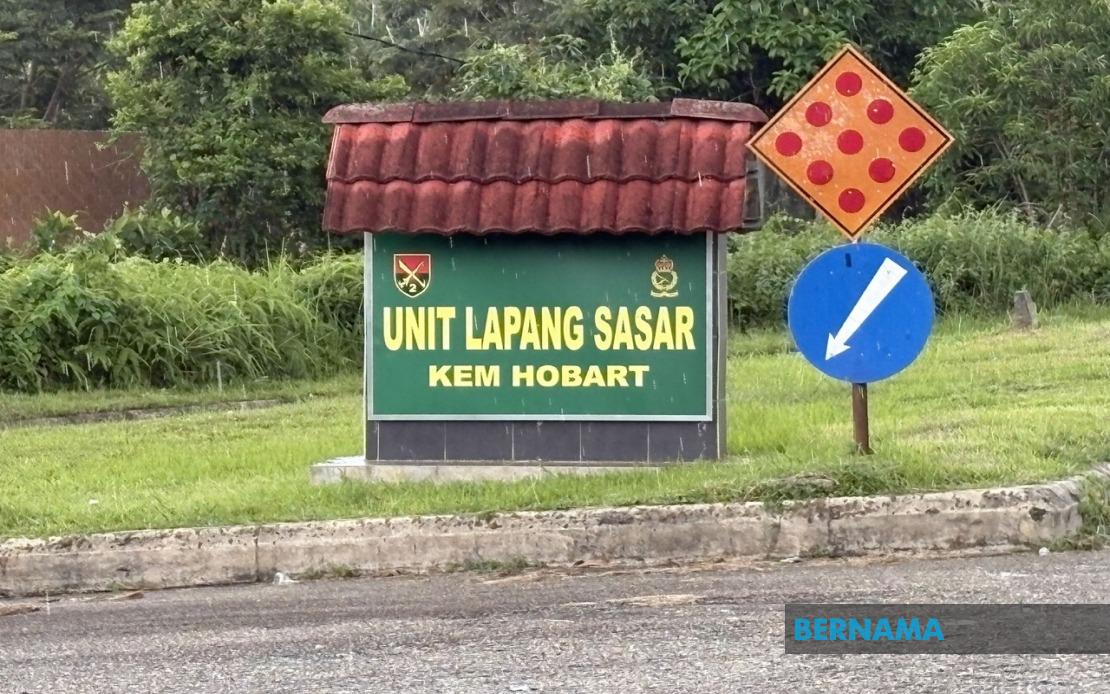
A deadly explosion during a military training exercise at Hobart Camp in Gurun has prompted police to launch a comprehensive investigation, with authorities committed to gathering witness accounts to establish what led to the blast that claimed two lives on June 16. The incident occurred at approximately 10:57 am during a grenade-throwing drill conducted under the Combat Enhancement Training programme run by the First Squadron of the Royal Malaysian Engineers Regiment at the Kedah facility.
Kuala Muda police chief ACP Hanyan Ramlan confirmed that the Royal Malaysian Police has classified the matter as a sudden death report investigation, which represents a formal category used when fatalities occur under circumstances requiring detailed examination. The police chief emphasised that securing cooperation from relevant parties would be fundamental to conducting a thorough scene investigation and reconstruction of events leading to the explosion.
The two personnel who lost their lives have been identified as Corporal Norazmi Abu Bakar, serving with the Sixth Battalion of the Royal Malay Regiment, and Private Siti Khadijah Sungip from the First Squadron of the Royal Malaysian Engineers Regiment. Both soldiers sustained severe injuries from the blast while participating in what should have been a routine training exercise designed to build combat capabilities among the troops. The identities reveal that military training, while essential for operational readiness, carries inherent risks that require strict safety protocols and oversight.
The Malaysian Army had formally confirmed earlier in the day that the incident occurred within the framework of the Second Infantry Division's scheduled training activities. Grenade-throwing exercises are standard components of infantry and engineer training curricula, intended to familiarise personnel with explosives handling and ensure they develop practical skills essential for combat readiness. However, this incident underscores the potentially catastrophic consequences when something goes wrong during such high-risk activities, prompting questions about whether safety measures were properly implemented.
Both victims were rapidly evacuated to Sultan Abdul Halim Hospital in nearby Sungai Petani, where medical teams attempted life-saving interventions. However, despite immediate emergency response efforts, both soldiers were pronounced dead en route to the facility. The speed at which their condition deteriorated suggests the severity of injuries sustained in the blast, which was powerful enough to prove immediately fatal despite being located in a controlled military training environment with emergency medical personnel present.
Following initial examination at Sultan Abdul Halim Hospital, the remains were transferred to Sultanah Bahiyah Hospital in Alor Setar for post-mortem procedures. These autopsies form a critical component of the sudden death investigation, as forensic pathologists will document the precise nature and extent of injuries while collecting evidence that may shed light on the explosion's force and precise circumstances. Post-mortem findings often provide crucial details that complement witness statements and physical evidence gathered from the scene.
The investigation now hinges significantly on statements from witnesses who were present during the training exercise. Military personnel stationed nearby, training supervisors, and other participants in the broader training programme will provide accounts of what they observed immediately before and after the explosion. These eyewitness testimonies are invaluable for understanding whether any visible signs preceded the blast, whether safety procedures were being followed, and whether any equipment malfunctions were evident.
For Malaysia's military personnel, this tragedy raises important considerations regarding training safety standards and risk management protocols. The Malaysian Army operates within demanding operational environments and maintains training schedules designed to keep forces operationally capable, yet incidents like this highlight the constant tension between maintaining preparedness and ensuring servicemember safety. The investigation's conclusions may lead to revised procedures, enhanced safety equipment, or modified training protocols.
For the broader Southeast Asian military community, such incidents serve as sobering reminders that even well-trained personnel and established procedures cannot entirely eliminate risks inherent in handling explosives. Regional armed forces often share training methodologies and standards, and findings from this investigation may prompt other nations' militaries to review their own grenade-throwing exercise protocols and safety measures.
The sudden loss of two young military personnel represents a tragedy not only for their families and units but also for the Malaysian defence establishment. Military deaths during training operations carry significant weight within armed forces cultures, where camaraderie and shared sacrifice form fundamental bonds. The investigation's progress will be closely monitored by the broader military community, defence officials, and the public, all seeking understanding of how this preventable tragedy occurred.
As police collect witness statements and forensic teams analyse physical evidence from the scene, authorities will examine multiple potential contributing factors. These may include equipment malfunctions, lapses in procedure adherence, inadequate supervision, individual error, or environmental factors. The investigation's outcome will determine whether corrective actions focus on training protocols, equipment maintenance, personnel preparation, or supervision structures.
The incident also underscores the importance of transparent communication between military authorities and civilian law enforcement during investigations into deaths occurring within military installations. Police taking the lead in the sudden death investigation ensures an independent, civilian-led examination of the circumstances, supporting public confidence in the thoroughness and impartiality of the investigative process.