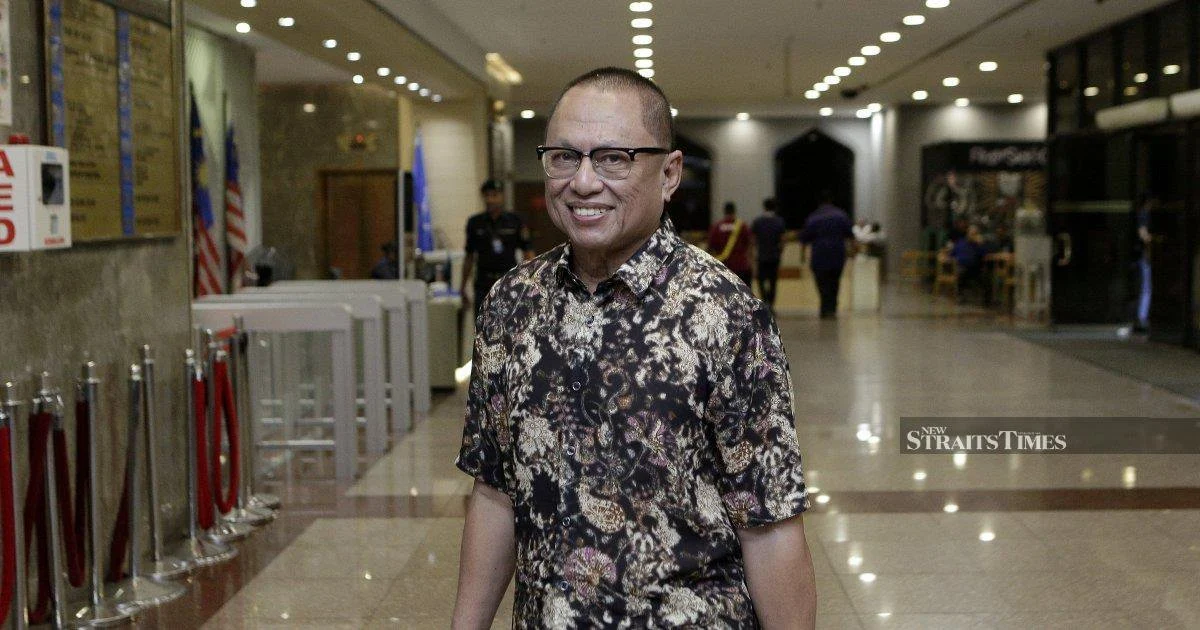
The Royal Malaysian Police have initiated a formal investigation into allegedly inflammatory social media statements attributed to former Umno veteran Datuk Dr Mohd Puad Zarkashi, acting on a substantial wave of public complaints that swept across the country. The move comes after 153 police reports were filed nationwide, signalling public concern over remarks that have generated heated discussion among Malaysian civil society. The investigation was announced in Johor Baru, where authorities are treating the matter with apparent seriousness given the volume and geographic spread of complaints.
The decision to formally investigate reflects growing sensitivity within law enforcement regarding social media discourse, particularly when statements involve senior political figures or touch on matters deemed sensitive in Malaysia's plural society. The sheer number of reports—153 across the nation—suggests the remarks in question struck a chord with citizens who felt compelled to seek police intervention, indicating the degree of public concern that has been mobilised. This pattern of mass reporting to police has become increasingly common in Malaysia's digital age, where social media amplifies the reach and impact of political commentary far beyond traditional channels.
Datuk Dr Mohd Puad Zarkashi, a veteran of the United Malays National Organisation and a recognisable figure in Malaysia's political landscape, has previously been known for forthright statements on governance and national issues. His social media presence carries weight within certain political circles, and his posts often attract considerable engagement from followers and critics alike. The focus on his online statements rather than formal speeches or press conferences highlights how contemporary political discourse has shifted toward informal digital platforms, where politicians can communicate directly with audiences without traditional media filters.
The investigation itself raises important questions about the boundaries of political speech in Malaysia and how law enforcement navigates complaints about social media content. Malaysian police must balance the protection of free expression—a principle central to democratic function—against legitimate public order concerns and other legal considerations. The breadth of complaints suggests that authorities view the matter as warranting formal scrutiny, though the actual nature of the remarks and which specific laws might apply remain subjects requiring clarification. This investigative stance reflects Malaysia's ongoing evolution in managing digital-era politics where speed of communication and scale of reach dwarf previous limitations.
The timing of these reports and the police's swift response underscores the volatile nature of Malaysia's political environment, where statements by high-profile figures can rapidly mobilise public reaction. The multiplication of complaints across different states indicates that the remarks reached diverse audiences and resonated with people from various backgrounds and regions. Such nationwide coordination of reporting—whether spontaneous or organised—represents a novel form of civic engagement through formal police channels, blurring lines between traditional complaint mechanisms and digital-age activism. Malaysia's police forces at federal and state levels now find themselves managing unprecedented volumes of reports originating from social media-generated controversies.
For Malaysian readers monitoring the political landscape, this development carries significance beyond the immediate dispute involving Datuk Dr Mohd Puad Zarkashi. The incident exemplifies how established political figures from major coalitions and parties face heightened scrutiny in an environment where social media amplifies criticism and where organised public responses can trigger official investigations. The investigation also potentially sets precedents for how police handle future reports about social media statements by political personalities, shaping the contours of acceptable political discourse in Malaysia's evolving digital public sphere.
The investigation process itself will likely take considerable time, requiring police to review the statements in question, assess their context and intent, and determine whether they violate applicable Malaysian laws—whether pertaining to sedition, defamation, religious sensitivities, or other statutes. Authorities must carefully examine whether the remarks constitute genuine legal violations or simply controversial opinion that, while objectionable to some, falls within the bounds of permissible political speech. This legal and procedural complexity means that despite the 153 reports and swift announcement of an investigation, the matter may take weeks or months to resolve through proper investigative channels.
The incident also reflects tensions within Malaysian society regarding the limits of political discourse during a period of considerable partisan competition. Different communities have varying views on what constitutes acceptable speech by political figures, and those views often align with existing political sympathies and cultural perspectives. When police receive mass reports of allegedly offensive statements, authorities must determine whether genuine legal infractions have occurred or whether they are witnessing an expression of political disagreement through the formal complaint mechanism. This distinction carries important implications for how Malaysia's rule of law functions in practice.
Regionally, Malaysia's handling of this case may be observed closely by other Southeast Asian democracies grappling with similar questions about political speech, social media regulation, and the role of police in managing digital-age controversies. How Malaysian authorities navigate between protecting free expression and responding to public complaints could influence approaches elsewhere in the region where political polarisation and digital communication similarly intersect. The development also signals to Malaysian politicians that their social media activity carries real consequences, potentially influencing how senior political figures calibrate their online presence and messaging.
Looking forward, clarity from police regarding their investigative findings and the legal basis—if any—for potential charges will be essential for public understanding of where authorities draw the line on political speech. The case serves as a reminder that Malaysia's regulatory framework for political discourse continues evolving in real time, shaped by interactions between technology, public engagement, and enforcement decisions. Stakeholders across Malaysia's political spectrum will likely view the investigation's outcome as indicative of the broader environment for political expression in the country.

