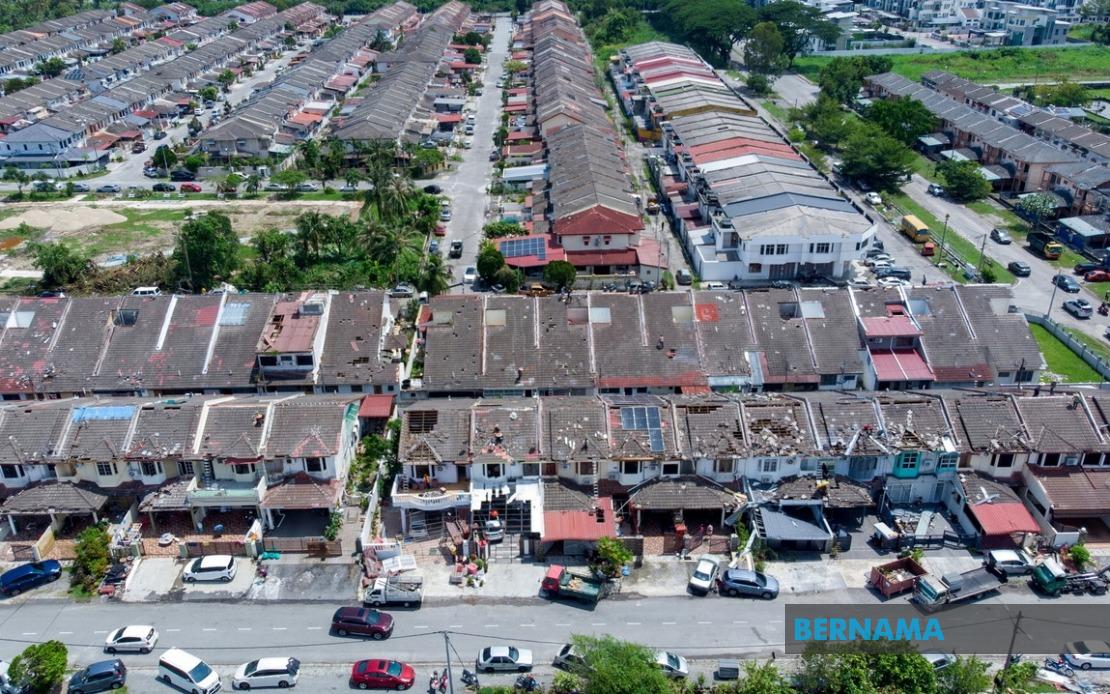
Police in Ipoh have implemented strict movement controls across five separate zones in Bercham following a destructive storm that swept through the neighbourhood, leaving extensive damage in its wake. The cordoning of these disaster-affected areas represents a precautionary measure designed to deter opportunistic criminals from exploiting the vulnerability of damaged properties and displaced residents during the recovery process.
According to Ipoh district police chief ACP Muhammad Najib Hamzah, while residents face restrictions on entering and exiting the sealed zones, authorities are prepared to exercise some discretion for legitimate purposes. Those engaged in cleaning efforts and salvaging belongings from their own residences will be permitted to proceed, though the police remain vigilant about distinguishing genuine cleanup operations from potential criminal activity disguised under that pretence.
Night-time access presents a particular concern for law enforcement officials. The police chief emphasised that movement restrictions will become significantly stricter after dark, a decision driven partly by the ongoing electricity outages affecting several neighbourhoods, including Anjung Bercham. The combination of darkness, damaged infrastructure, and unoccupied properties creates optimal conditions for theft and burglary, necessitating heightened vigilance during evening hours.
To manage legitimate night-time access for residents, police have established verification procedures. Those seeking to enter sealed areas during darkness will be subject to identity checks and property ownership verification to confirm their right to access specific residences. This approach attempts to balance the practical needs of residents with public safety concerns, though it inevitably creates friction and delays for those trying to assess damage or retrieve essential items during non-daylight hours.
The scale of the disaster became apparent through the official channels available to residents. As of early morning on June 21, police had recorded 492 storm-related reports through the Op Bencana system, with authorities indicating that this figure represents only the initial reporting phase. The police have committed to accepting reports from affected residents indefinitely, recognising that the full scope of damage and losses may take considerable time to emerge as residents complete assessments of their properties.
Determining the financial impact of the storm remains premature at this stage. ACP Muhammad Najib Hamzah acknowledged that calculations of total losses across the affected areas have not yet been completed. The destruction spans multiple residential neighbourhoods, and comprehensive damage assessment requires detailed inspection of each affected property, a process that typically unfolds over weeks as residents file claims and officials document losses for insurance and relief purposes.
The storm itself struck on Friday with considerable ferocity, affecting neighbourhoods across Bercham including Anjung Bercham Utara, Taman Mujur, Kampung Bercham, Kampung Tersusun Tasek, Taman Pusat Bercham, and Taman Indah Sakti. Ipoh Barat Member of Parliament M. Kulasegaran, who also holds the position of Deputy Minister in the Prime Minister's Department (Law and Institutional Reform), characterised the storm as extraordinary in nature. His assessment suggests that the incident departed significantly from typical meteorological patterns experienced in the region.
Initial investigation into the storm's origins points toward a landspout phenomenon, an atmospheric condition less commonly discussed in public discourse compared to conventional thunderstorms. Landspouts represent a distinct meteorological event involving rotating columns of air that touch down on land, often with limited warning systems in place compared to tornadoes that develop from supercell thunderstorms. The identification of a landspout as the likely cause provides useful information for understanding why the damage proved so concentrated and severe within specific neighbourhoods rather than dispersed across a wider area.
The incident affects more than 200 residential properties according to official statements, though the precise figure continues to evolve as damage assessment progresses. This scale of destruction in a relatively confined urban area underscores the significant impact such meteorological events can inflict on established residential communities. The concentration of damage suggests that the landspout's path was relatively narrow but intensely destructive along its trajectory.
From a Southeast Asian perspective, the Bercham incident reflects a pattern of extreme weather events that have become increasingly prominent across the region in recent years. Malaysia's tropical climate, combined with changing atmospheric patterns, has generated an uptick in severe weather occurrences that challenge local emergency response systems. The police cordoning of affected areas represents standard disaster management protocol, though it raises questions about balancing security concerns with residents' urgent need to access their homes during recovery phases.
The establishment of an Incident Control Post at Bercham police station demonstrates the coordination machinery activated for significant disasters. Such facilities typically serve as centralised points for inter-agency communication, damage reporting, and resource allocation during emergency responses. The continued operation of these facilities indicates that authorities anticipate an extended recovery process requiring ongoing management and coordination.
For Malaysian readers, this incident carries implications beyond Bercham itself. It highlights the vulnerability of established residential areas to sudden meteorological extremes and the importance of emergency preparedness systems. The police response, emphasising crime prevention during vulnerability, reflects lessons learned from previous disasters where unoccupied and damaged properties became targets for criminal activity. As climate patterns continue to shift, such events may become more frequent, requiring communities and authorities to refine their disaster response and recovery protocols.

