Following the arrest of a Malaysian pilot in Indonesia on drug smuggling charges, Malaysia's government has announced a comprehensive overhaul of airport security arrangements. Communications Minister Datuk Seri Fahmi Fadzil revealed that the Cabinet approved the measures at its meeting here on August 5, with the Home Ministry and Transport Ministry presenting the proposals in response to the incident that has raised serious questions about vulnerabilities in Malaysia's aviation screening processes.
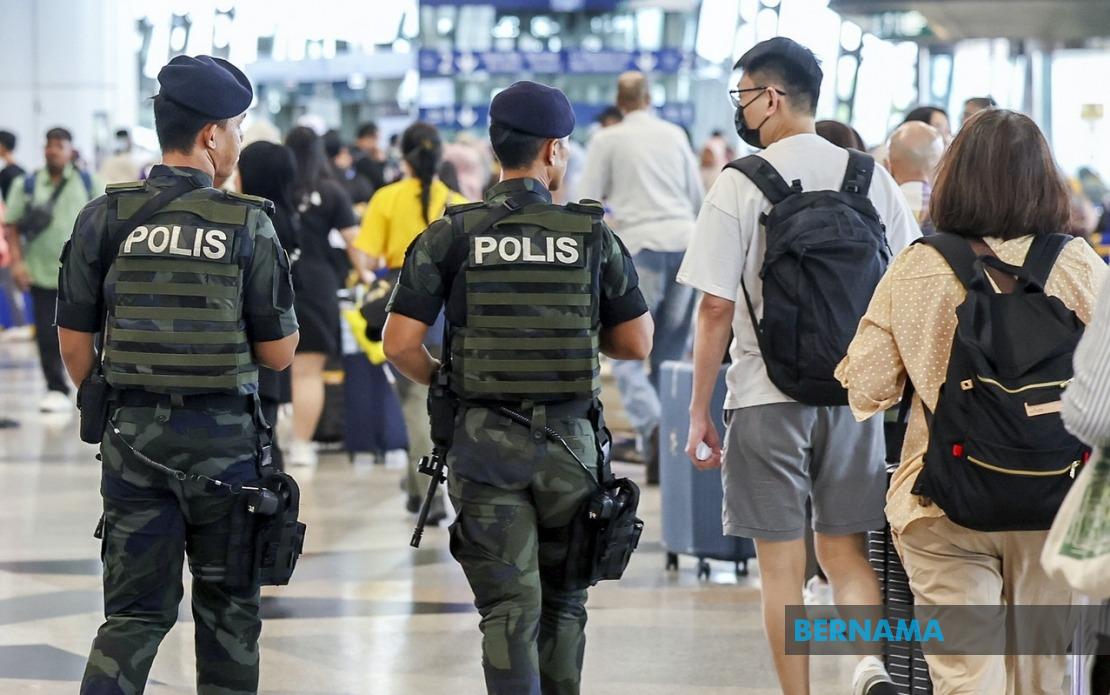
The most significant immediate change involves stationing personnel from the Royal Malaysia Police (PDRM) within the Aviation Security (AVSEC) units at Malaysian airports. Currently, these units are staffed primarily by auxiliary police personnel, a situation the government now views as inadequate given the serious nature of the incident. By deploying full-fledged PDRM officers, the government aims to establish more rigorous enforcement capabilities and ensure tighter control over who and what passes through airport security checkpoints.
The 39-year-old Malaysian pilot was apprehended at Soekarno-Hatta International Airport's Terminal 3 in Jakarta when Indonesian authorities discovered 15 packages containing approximately 70,114 capsules of ecstasy and methamphetamine. Valued at roughly RM45 million at Indonesian street prices, the seizure represents one of the largest drug interdiction cases involving a Malaysian aviation professional and has triggered alarm bells across the region's aviation community about the possibility of pilots being recruited for drug trafficking operations.
Beyond the immediate deployment of police personnel, Malaysia Aviation Group (MAG) has been instructed to conduct a thorough review of its background screening and health assessment procedures for both pilots and co-pilots. The company operates Malaysia Airlines and several other carriers, making it the nation's primary aviation employer. The screening review is particularly crucial, as it suggests that existing vetting protocols may have failed to identify warning signs or risk factors in the arrested pilot's profile prior to his hiring or continued employment.
The Royal Malaysia Police and the Malaysian Border Control and Protection Agency (AKPS) have additionally been tasked with conducting a comprehensive audit of security infrastructure and procedures across the aviation system. This wider examination aims to identify systemic weaknesses, procedural gaps, or organisational loopholes that could potentially be exploited by individuals seeking to transport contraband or engage in other illicit activities at airports. Such audits typically examine everything from baggage handling protocols to staff access controls and coordination between different security agencies.
Fahmi indicated that the government is still gathering complete information about the case before deciding whether to establish a special investigation team. The fact that the Indonesian authorities are conducting the primary investigation complicates Malaysia's response, as officials must await comprehensive reports and evidence details from their Indonesian counterparts before determining the full scope of any domestic inquiry. The minister emphasised that authorities need to understand whether other individuals may have been involved in facilitating or planning the attempted smuggling operation.
The incident has significant implications for Malaysia's standing within the international aviation community and raises questions about the adequacy of current security standards. Drug trafficking through aviation channels remains a critical concern for governments across Southeast Asia, as airports represent potential high-value transit points for narcotics destined for lucrative markets. The involvement of an airline pilot—an individual who typically enjoys special privileges within airport environments—demonstrates that even trusted aviation personnel can become targets for recruitment by drug trafficking organisations.
For Malaysian readers and businesses, the enhanced security measures may translate into longer processing times at airports during the transition period as additional police personnel are integrated into AVSEC units. However, such delays represent the cost of improved security protocols designed to prevent future incidents that could damage Malaysia's reputation as a safe aviation hub and potentially disrupt regional air travel patterns.
The government's response also reflects broader concerns about transnational organised crime networks operating in Southeast Asia. Malaysia's geographic position as a hub connecting Asian markets makes it particularly vulnerable to becoming a transit point for narcotics heading between production zones and consumption markets. The involvement of a Malaysian aviation professional suggests that criminal syndicates have developed sophisticated recruitment strategies targeting individuals with legitimate access to airports and aircraft.
The case highlights the interconnected nature of modern aviation security challenges, where vulnerabilities in one nation's systems can quickly become vulnerabilities across the region. Malaysian authorities must now work closely with counterparts in Indonesia, Thailand, Singapore, and other neighbouring countries to share intelligence about potential trafficking networks and ensure consistent security standards. Fahmi's emphasis on bringing those responsible to justice reflects the government's determination to signal that aviation security breaches will be pursued aggressively regardless of the suspect's professional standing.
Looking ahead, the outcome of the Indonesian investigation will likely shape the scope and focus of Malaysia's domestic inquiry. If evidence suggests involvement of additional parties, either within Malaysia Airlines or among ground personnel at Malaysian airports, the special investigation team may need to examine hiring practices and workplace culture across the aviation sector more broadly. The government's commitment to closing identified loopholes quickly suggests officials recognise that further incidents could substantially damage Malaysia's competitive position in regional aviation markets.

