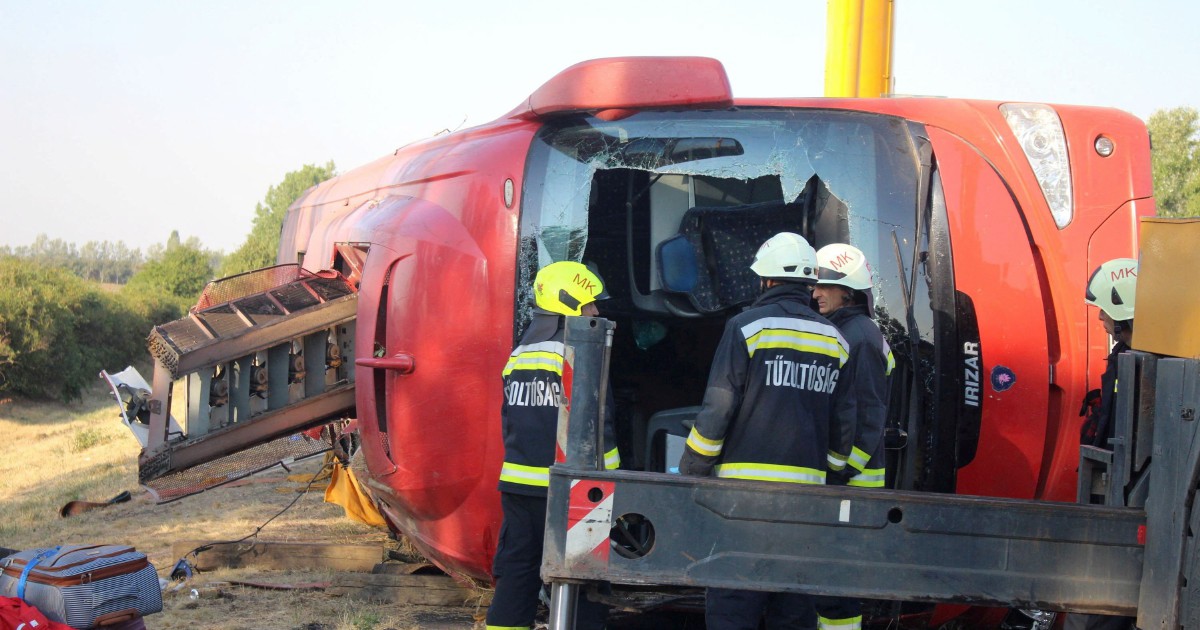
A tragic coach collision on Hungarian soil has claimed the lives of twelve people, with authorities confirming the grim toll following an early Sunday morning incident. The Polish-registered bus veered off a Hungarian motorway and overturned, leaving rescue services dealing with a major incident affecting both Polish and Hungarian emergency response teams. Prime Minister Peter Magyar and other Hungarian officials have acknowledged the scale of the disaster, which has sent shockwaves through both nations given the significant loss of life.
The incident has exposed the inherent risks of long-distance coach travel across Europe's highway networks. Bus journeys connecting Poland with destinations across Europe have become increasingly common as budget travel options expand, yet such catastrophic overturning accidents remain devastating reminders of the dangers passengers face during overnight and early-morning services. The precise circumstances that led to the vehicle leaving the roadway remain under investigation, with authorities examining factors including driver fatigue, vehicle condition, and potential weather-related hazards.
Beyond the confirmed fatalities, emergency services transported at least ten additional passengers to medical facilities with serious injuries requiring hospitalisation. The severity of injuries sustained in bus overturn incidents typically varies depending on where passengers were seated, whether safety equipment functioned properly, and the vehicle's structural integrity during the collision sequence. Recovery teams were forced to work through night-time conditions to extract those trapped within the overturned coach, a process that frequently involves significant resource deployment and coordination across multiple jurisdictions.
The tragedy underscores ongoing concerns about passenger coach safety standards, particularly for services operating across Central and Eastern European routes. While Hungary maintains highway infrastructure comparable to Western European standards in many areas, the motorway where the accident occurred becomes particularly hazardous during early morning hours when visibility diminishes and driver alertness may be compromised. Questions inevitably arise regarding mandatory rest periods for commercial drivers, vehicle maintenance protocols, and whether modern safety features were present on this particular coach.
Investigators will examine the bus's mechanical condition, including brake functionality, tyre condition, and structural elements that determine how vehicles respond during emergency manoeuvres. The direction of overturning, the number of complete rotations, and the final resting position all provide clues about the sequence of events leading to the catastrophe. Weather conditions, road surface quality, and potential obstruction or debris scattered across the highway surface will feature prominently in the reconstruction of those final moments before the collision.
For Polish authorities and communities, the incident represents a major international crisis requiring coordination with Hungarian counterparts regarding victim identification, family notification, and repatriation arrangements. The bus company operating the service faces inevitable scrutiny regarding scheduling practices, driver selection, and whether cost-cutting measures may have compromised safety protocols. European Union regulations governing driver working hours and mandatory rest periods exist precisely to prevent fatigue-related accidents, yet enforcement remains inconsistent across different member states.
The implications extend beyond the immediate tragedy to broader questions about coach travel safety across Central Europe. Travellers from Malaysia and Southeast Asia considering extended European journeys should recognise that while organised coach tours represent economical options for sightseeing, the incidents occasionally reported underscore the importance of selecting operators with established safety records and modern vehicles equipped with contemporary safety features. Insurance coverage and emergency assistance arrangements also merit careful consideration when selecting international transport providers.
From a regional Southeast Asian perspective, this incident reinforces the value of established safety standards in commercial transportation. Malaysia's own regulatory framework governing bus operations, driver licensing, and vehicle inspections provides comparative insights into how transport authorities address similar risks. The tragedy demonstrates that well-developed European nations with sophisticated regulatory systems are not immune to such disasters, suggesting that constant vigilance and investment in safety infrastructure remain perpetually necessary regardless of economic development levels.
Hungarian emergency services and hospitals in the region responded swiftly to the crisis, though the sheer magnitude of casualties and serious injuries stretched local resources. The incident will likely trigger comprehensive reviews of highway safety measures, including potential improvements to barriers, signage, and emergency response facilities along frequently-used coach routes. Cross-border cooperation between Polish and Hungarian authorities in investigating the accident highlights the complex jurisdictional considerations when transport accidents occur at the intersection of national boundaries and international travel corridors.
The coming days will bring fuller details regarding victim identities and the composition of those aboard the coach. Preliminary reports will give way to comprehensive technical investigations examining all contributing factors to the catastrophe. For the Polish and Hungarian communities affected, the focus now turns to supporting bereaved families, assisting injured survivors through their recovery processes, and ultimately determining what systemic improvements might prevent comparable tragedies.

