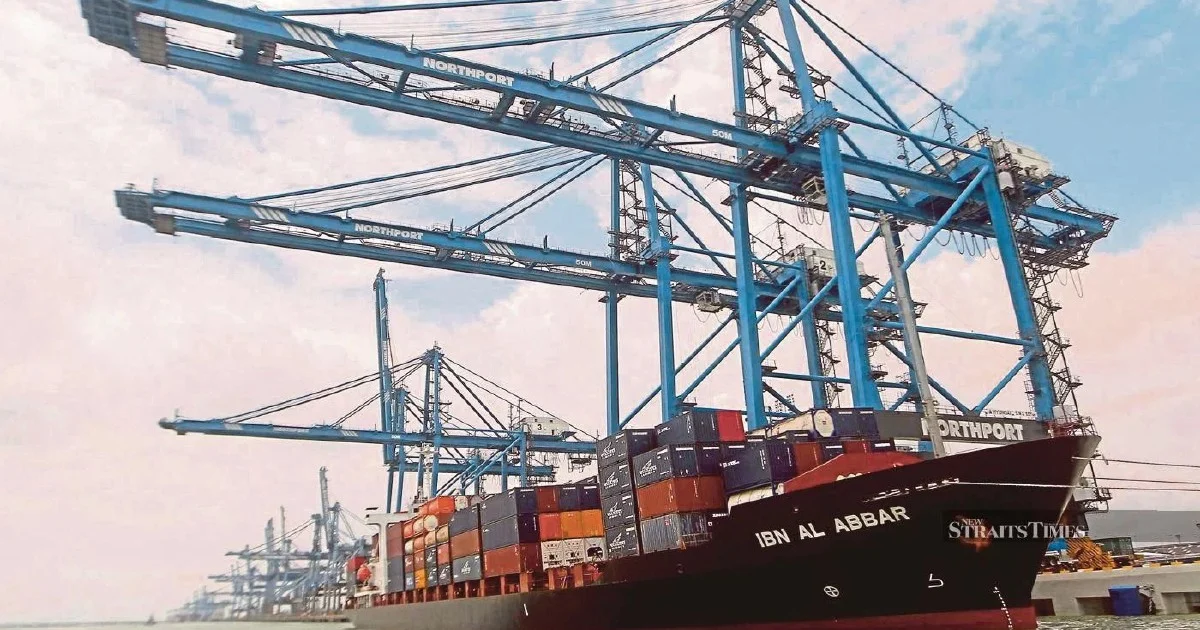
Malaysia's ambitious Port Klang 3 expansion project is moving closer to the construction phase, with Transport Minister Anthony Loke indicating that groundwork could commence within the current year if authorities successfully navigate outstanding land issues with the Selangor government. The declaration represents a significant development for one of Southeast Asia's busiest container ports, which has been undergoing planning and preparations for an expansion that promises to bolster the nation's maritime competitiveness and trade capacity.
The Port Klang 3 initiative reflects Malaysia's strategic commitment to upgrading port infrastructure as regional trade patterns shift and global shipping volumes intensify. As a major trading hub serving the entire Southeast Asian region, Port Klang faces mounting pressure from competing ports in Singapore, Thailand, and Indonesia. The expansion represents an opportunity to consolidate Malaysia's position in the regional logistics network while accommodating projected growth in containerised cargo traffic over the coming decade.
Loke's statement comes at a moment when Malaysian policymakers are reassessing infrastructure priorities in light of broader economic goals. The Transport Ministry has positioned Port Klang 3 as a critical component of long-term supply chain resilience and economic diversification. The project's realisation would increase the port's handling capacity significantly, potentially reducing congestion that has occasionally affected shipping schedules and commercial operations at the existing facility.
The land-related complications that have delayed the project highlight the complexities of large-scale infrastructure development in Malaysia. Selangor, where Port Klang operates, must coordinate land allocation and utilisation with multiple stakeholders, including existing port operators, local communities, and federal authorities. Such negotiations typically involve detailed environmental assessments, logistical coordination, and financial arrangements that require careful documentation and approval from various government entities at both state and federal levels.
The resolution of these land matters will likely involve intensive negotiations between the Transport Ministry, the Port Klang Authority, and Selangor's state administration. Both levels of government have vested interests in the project's success, though they may prioritise different objectives. The state government may emphasise local employment creation and community benefits, while federal authorities focus on national trade competitiveness and port efficiency metrics. Achieving consensus on these priorities typically requires structured dialogue and potentially some creative compromise on land usage rights or operational arrangements.
Port Klang's current infrastructure handles approximately one-third of Malaysia's total container traffic, positioning it as the nation's primary gateway for international maritime commerce. The existing facility has increasingly operated near capacity during peak seasons, creating bottlenecks that can delay vessel operations and increase costs for shipping companies. Port Klang 3 would add substantial new berths and container handling capacity, enabling the port to accommodate modern mega-ships and reduce turnaround times for vessels calling at Malaysian waters.
The broader context of Southeast Asian port competition adds urgency to Malaysia's expansion plans. Singapore's Port of Singapore consistently ranks among the world's busiest, while investments in facilities across Thailand, Vietnam, and Indonesia are expanding their competitive reach. Malaysian policymakers view Port Klang 3 as essential to retaining market share and preventing cargo diversion to rival regional hubs. The expansion could influence Malaysia's attractiveness to international shipping lines and logistics companies considering operating bases in the region.
The project timeline that Loke outlined suggests the Transport Ministry expects land issues to be substantially resolved within coming months. Should negotiations progress as anticipated, the commencement of physical construction this year would position Port Klang 3 for a multi-year development phase. The complete expansion would likely require five to seven years of intensive construction work, potentially involving dredging operations, land reclamation, berth construction, and installation of modern cargo-handling equipment.
Financial aspects of the Port Klang 3 development remain subject to ongoing discussions, though Malaysian authorities have indicated strong government backing for the project. The scale of investment required—potentially exceeding several billion ringgit—suggests that funding will likely involve partnerships between government agencies, the Port Klang Authority, and possibly private sector investors interested in port operations. International financing mechanisms and development partnerships may also contribute to capital requirements.
The economic implications of Port Klang 3 extend beyond the port itself. Improved cargo-handling capacity could reduce transportation costs for Malaysian exporters and importers, enhancing the competitiveness of domestic manufacturers and traders in regional markets. Manufacturing sectors reliant on just-in-time supply chains would benefit from more efficient port operations and faster vessel turnaround times. Additionally, the construction phase would generate significant employment opportunities in engineering, maritime industries, and related services.
Loke's cautiously optimistic assessment reflects the Transport Ministry's confidence in resolving outstanding obstacles while acknowledging the complexities inherent in large-scale infrastructure projects. The minister's emphasis on pending resolution of land matters indicates that these issues remain the primary constraint on construction commencement. Stakeholders observing the project's progress will likely monitor announcements regarding land negotiations closely, as breakthroughs in these discussions would confirm the government's commitment to advancing the expansion timeline.
The successful realisation of Port Klang 3 would represent a significant achievement for Malaysia's infrastructure development agenda. Beyond its immediate impact on port operations, the expansion would send positive signals to international investors regarding Malaysia's capacity to execute major maritime infrastructure projects and maintain competitive positioning in regional trade networks. As global supply chains continue evolving and Southeast Asian trade corridors intensify, Malaysia's willingness to invest in modern port infrastructure demonstrates strategic foresight aligned with long-term economic development objectives.

