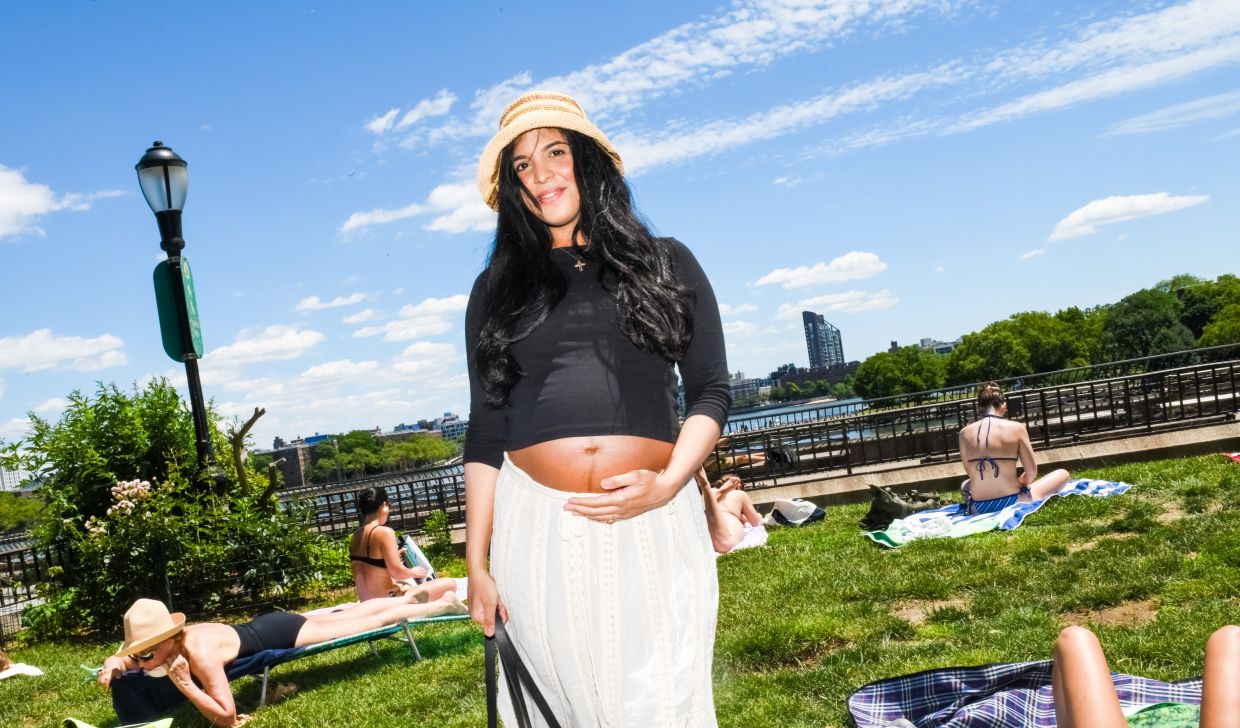
The landscape of maternity fashion is undergoing a seismic shift, as expectant mothers across the globe increasingly reject the long-standing tradition of concealing their pregnancies beneath oversized, shapeless garments. Instead of retreating into the billowing silhouettes that dominated previous decades, women today are celebrating their changing bodies with visible belly crops, strategic cutouts, and deliberately form-fitting designs that place the pregnant silhouette front and centre. This transformation represents far more than a cosmetic wardrobe adjustment—it reflects profound changes in how contemporary women perceive their bodies, navigate societal expectations, and assert control over their physical identities during pregnancy.
The shift became particularly visible when celebrities began openly flaunting their pregnancies as fashion statements. Beyoncé's 2017 baby shower appearance in bare-midriff glamour sparked widespread conversation, but it was Rihanna's 2022 pregnancy announcement in a half-buttoned Chanel puffer jacket that crystallised a new aesthetic standard. The singer's choice to showcase her pregnant belly became a cultural touchstone, signalling that pregnancy need not be hidden or minimised but could instead become the focal point of a carefully curated look. Since then, numerous high-profile figures including Anne Hathaway and Michelle Zauner have adopted similarly revealing maternity styles, normalising the celebration of the pregnant form across celebrity culture and traditional media.
The generational dimension of this change cannot be overstated. Fashion scholars like Laura McAndrews from Kent State University attribute much of this transformation to the influence of body positivity messaging that saturated Gen Z and millennial youth during their formative years. Unlike their counterparts from the 1990s and earlier decades, who received consistent cultural messaging that pregnancy required concealment and camouflage, younger women have been exposed to alternative narratives emphasising acceptance of all body types and life stages. This ideological shift has fundamentally altered how young pregnant women approach their wardrobes, encouraging them to view their temporarily transformed bodies not as something requiring apology or discretion, but as worthy of celebration and stylistic investment.
Practical considerations also underpin this sartorial revolution. Many contemporary pregnant women discover that strategically wearing their partners' clothes—looser jeans, oversized blazers, boyfriend-cut shirts—achieves both comfort and aesthetic appeal while avoiding the dated feel of dedicated maternity wear. When combined with form-fitting pieces that embrace rather than disguise the belly, this mixed approach creates deliberately fashionable outfits that feel authentic to each wearer's personal style. Fashion designer and stylist Sarah Brown exemplifies this approach, styling her exposed belly with careful attention to proportions and complementary pieces, demonstrating that revealing pregnancy can be a deliberate aesthetic choice rather than an accidental wardrobe mishap.
The cultural history underpinning this change runs deep. For centuries, pregnancy occupied an awkward position in Western social consciousness—acknowledged yet unspoken, necessary yet somehow unseemly. As historian Isabel Davis has noted, pregnancy was historically treated as essentially impolite, tangible evidence of sexual activity that polite society preferred to ignore or conceal. This ethos manifested in maternity fashion through deliberately unflattering designs intended to obscure rather than flatter, to downplay rather than accentuate. The entire category of clothing developed with the explicit purpose of making pregnant women appear less pregnant—a sartorial sleight of hand designed to smooth over an inconvenient reality.
The maternity clothing industry itself has had to reckon with this fundamental reorientation. Ariane Goldman, chief creative officer of Hatch—a maternity fashion company founded in 2011—entered the market when discussing pregnancy in professional contexts remained taboo, with many women concealing pregnancies from employers for fear of employment discrimination. Over the subsequent decade, Goldman has witnessed a dramatic cultural recalibration toward celebrating and honouring the physical experience of carrying a child. However, this cultural shift creates an existential question for speciality maternity brands: if women increasingly bypass maternity-specific clothing in favour of styling regular clothes creatively, what becomes the market purpose of dedicated pregnancy wear?
The answer, according to industry insiders, lies not in attempting to compete with fashion-forward styling but rather in addressing genuine functional needs that arise during pregnancy. Even women who successfully reach the final weeks of pregnancy through a combination of borrowed clothing and strategically selected pieces often acknowledge specific gaps—the need for supportive undergarments designed for a pregnant torso, pants with elastic waistbands that accommodate growing bodies while maintaining shape, or tops constructed to flatten or support rather than require constant adjustment. Rather than positioning maternity wear as concealment tools, contemporary designers increasingly frame these pieces as functional solutions that enhance comfort and provide pregnant women with greater freedom to engage in their normal lives.
Regionally, Southeast Asia presents a particularly interesting case study for observing these global maternity fashion trends. As Malaysian, Singaporean, and other regional markets become increasingly connected to global celebrity culture through social media and streaming platforms, younger expectant mothers gain exposure to these alternative maternity aesthetics. However, the adoption of visible-pregnancy fashion occurs within a distinct cultural context shaped by different attitudes toward public displays of the body, religious considerations, and traditional expectations regarding pregnancy and femininity. The tension between global fashion trends celebrating the pregnant form and local cultural conservatism regarding bodily display creates a unique dynamic where women must negotiate between personal fashion aspirations and community expectations.
Michelle Zauner's description of her fashion choice while performing pregnant—an unbuttoned cardigan revealing a lacy black bra and exposed belly—encapsulates the personal agency and intentionality driving this shift. Rather than viewing pregnancy as a condition to be managed and minimised, women like Zauner explicitly state their pride in their pregnant bodies and their refusal to adopt maternity wear styles that feel inauthentic to their aesthetic sensibilities. This framing transforms pregnancy fashion from a practical problem requiring concealment into an opportunity for authentic self-expression and bodily autonomy. The choice to reveal or conceal becomes precisely that—a choice, not a cultural imperative or social obligation.
The implications of this maternity fashion revolution extend beyond wardrobes into broader conversations about women's bodily autonomy, generational values, and the relationship between personal identity and physical transformation. For many women, the ability to style their pregnancies according to personal preference rather than conforming to predetermined social expectations represents a form of quiet rebellion against historical norms. The move from concealment to celebration signals not merely a fashion trend but a fundamental philosophical shift in how contemporary women understand their relationship to their bodies during pregnancy. This transformation also reflects wider social movements toward visibility, inclusion, and the rejection of shame around natural bodily processes.
Looking forward, the maternity fashion industry faces both challenges and opportunities as it adapts to this new landscape. Brands that successfully balance celebration of the pregnant silhouette with genuine functional innovation—creating pieces that are both fashion-forward and genuinely useful—will likely find receptive audiences among women seeking authenticity and practicality. The old paradigm of maternity wear as camouflage has become obsolete, replaced by a more nuanced approach that acknowledges pregnancy as a temporary but legitimate life stage deserving of thoughtful, intentional styling rather than resigned acceptance of frumpy necessity.

