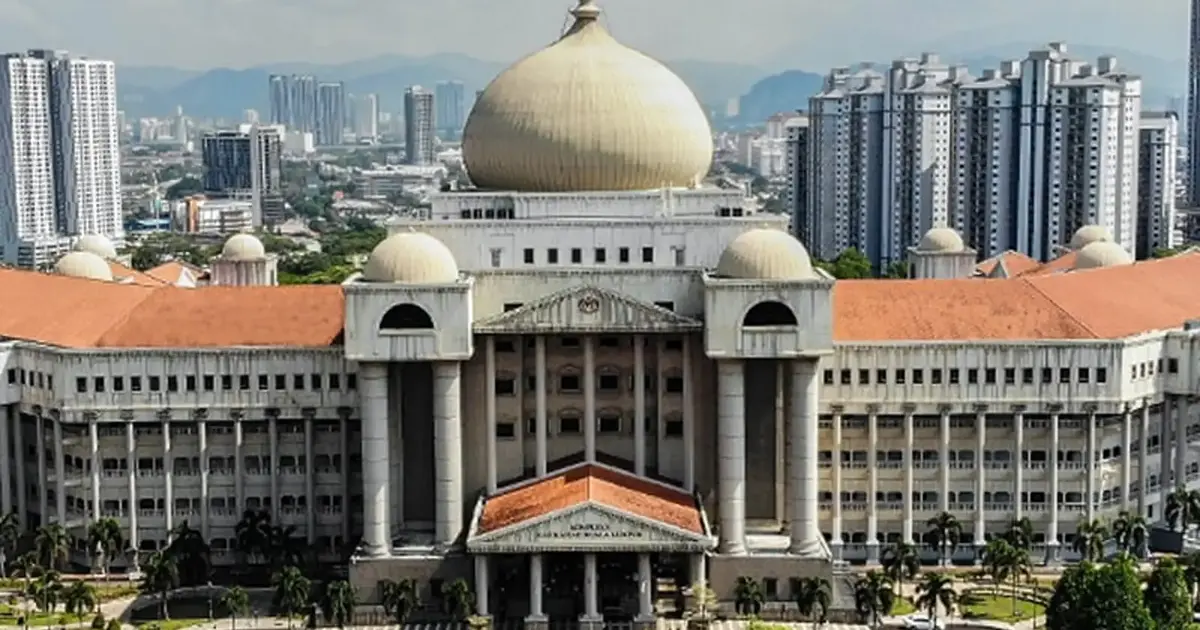
Malaysia's High Court has determined that the Prime Minister is not required to testify in a RM30 million lawsuit, striking down a subpoena that sought to compel his appearance in the proceedings. The court's decision represents a significant moment in the intersection of executive privilege and judicial accountability, clarifying the scope of obligations placed on sitting prime ministers when summoned as witnesses in civil disputes.
The ruling hinges on the legal principle that witnesses called to provide testimony must possess direct, material knowledge pertinent to the central issues in dispute. The court found that the Prime Minister lacked such substantive connection to the facts being litigated, making his presence unnecessary for the advancement of justice. This interpretation reflects longstanding common law doctrine that restricts the compulsory attendance of high-ranking public officials absent extraordinary circumstances.
The implications of this judgment extend beyond the immediate parties to the lawsuit. For Malaysia's legal framework, the decision establishes clearer boundaries around when sitting heads of government may be excused from the ordinary obligation to appear before courts. Courts worldwide have grappled with similar tensions between ensuring equal access to justice and respecting the operational demands placed upon chief executives. This ruling suggests the Malaysian judiciary is adopting a pragmatic approach that acknowledges the unique position of the Prime Minister's office.
The case itself involved a monetary dispute valued at RM30 million, the specifics of which the court presumably examined to reach its conclusion about the Prime Minister's relevance. By establishing that the Prime Minister possessed no material factual knowledge about the matters central to the dispute, the court avoided setting a precedent that would routinely permit the questioning of sitting prime ministers in civil cases. Such a precedent could potentially flood executives with subpoenas, creating significant burdens on governance.
This decision also reflects broader regional and global trends in how courts treat executive officials. In comparable jurisdictions across Southeast Asia and beyond, courts have developed sophisticated frameworks for managing conflicts between the need for comprehensive evidence and the protection of executive function. The Malaysian court's approach appears aligned with these international practices, suggesting a maturation of jurisprudence on the subject.
For Malaysian litigants and their legal representatives, the ruling clarifies that merely holding high office does not render someone a suitable witness. The principle demands a genuine nexus between the witness and the disputed facts. This standard protects both the interests of justice—by ensuring testimony comes from those with real knowledge—and the practical interests of government continuity. Without such protections, prime ministers could find themselves routinely diverted from their duties to participate in civil litigation.
The subpoena that prompted this court case represents precisely the kind of legal maneuver the ruling now restricts. When one party in a dispute perceives potential benefit in questioning a powerful figure, the temptation to compel their testimony can be considerable, regardless of their actual knowledge. The court's decision acts as a check against such strategic litigation tactics. Nevertheless, the ruling does not create absolute immunity from testifying; rather, it establishes that relevance and materiality remain prerequisites for any subpoena.
This judgment may influence how future civil cases are structured and which parties are pursued for testimony. Plaintiffs and their lawyers must now demonstrate genuine material interest before attempting to compel the Prime Minister or other senior officials to appear. The burden falls on the party seeking testimony to establish why that specific person possesses unique knowledge unavailable through other evidence. Courts will likely scrutinize such requests with heightened rigor.
The broader context for this ruling includes ongoing conversations in Malaysia about the accountability of high-ranking officials. While the court has determined the Prime Minister need not testify as a witness in this particular civil matter, questions of executive accountability in other contexts—including criminal proceedings, parliamentary inquiries, and administrative law cases—remain distinct areas governed by different principles. This ruling therefore should not be misread as granting immunity from accountability across all judicial and quasi-judicial processes.
For regional observers, the decision demonstrates how common law courts in Southeast Asia continue to develop doctrines balancing rule of law with practical governance. Malaysia's approach reflects a sophisticated understanding that justice requires both access to necessary evidence and respect for the distinct operational requirements of executive office. The ruling preserves the principle that no one stands entirely above the law while recognizing that indiscriminate summoning of sitting prime ministers would undermine effective government.
Government officials and legal practitioners will likely cite this judgment in future disputes involving subpoenas directed at senior political figures. The decision provides precedent for excluding non-material witnesses, particularly those whose time and attention are devoted to matters of state. However, each case will require careful examination of the specific facts and the genuine connection between the proposed witness and the issues in dispute, ensuring that decisions are made on legal grounds rather than political considerations.
Moving forward, this ruling establishes a more defined landscape for understanding when executive officials can be compelled to testify. It reflects the court's view that principles of fairness and efficiency sometimes require limiting the scope of potential witnesses in civil disputes. The judgment serves the interests of all parties by clarifying expectations and reducing uncertainty about whether senior government figures might be drawn into litigation as witnesses based on their office alone.

