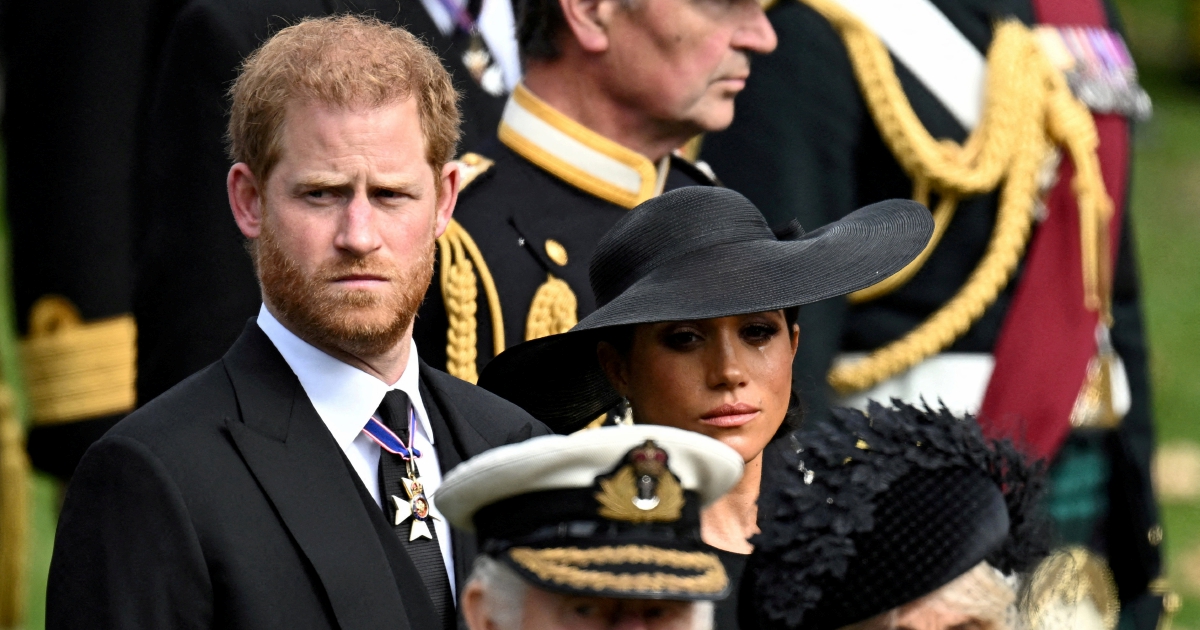
Prince Harry has joined a cohort of prominent public figures facing significant personal financial liability after a British court determined their collective legal strategy against the Daily Mail's publisher was unreasonable. The ruling, which also ensnares singer Elton John among others in the decision, requires the claimants to shoulder millions in costs associated with Associated Newspapers' legal defence, marking a substantial setback for the high-profile privacy claims that have dominated British media litigation in recent years.
The judgment by the presiding judge reflects a critical assessment of how the claimants pursued their cases, finding fundamental flaws in their legal approach rather than in the underlying merits of privacy concerns. This procedural ruling carries profound implications for wealthy individuals contemplating similar challenges against major publishers, as it demonstrates that courts may penalise not just unsuccessful cases but those pursued through what judicial officers determine to be inappropriate methods or tactics.
For Prince Harry specifically, the decision represents another complication in his lengthy legal battles with British tabloid media. His sustained campaign against invasive press practices has become increasingly costly, and this particular judgment introduces personal financial consequences that extend beyond the original dispute with Associated Newspapers. The magnitude of the costs involved means the prince faces drawing down considerable personal resources to satisfy the court's requirements.
Elton John's involvement underscores how this litigation has extended across the entertainment and celebrity landscape, affecting figures from diverse professional backgrounds united by common grievances about media intrusion and privacy violations. The rock legend's inclusion alongside Prince Harry demonstrates that even established, successful celebrities have found their legal positions vulnerable to challenge on procedural grounds, regardless of their resources or public standing.
The legal costs issue represents a distinct dimension of the broader privacy litigation wave that has swept through British courts. While substantive privacy arguments centre on whether publications violated individuals' rights to personal information protection, this judgment focuses on the tactical and strategic framework within which cases were advanced. Courts increasingly scrutinise not merely what claimants argue but how they construct and present their arguments, applying rigorous standards to the methodology underlying even sympathetic claims.
Associated Newspapers, publisher of the Daily Mail and the Mail on Sunday, has emerged from this particular phase strengthened, having successfully convinced the court that the claimants' approach warranted cost penalties. Publishers have shown increasing willingness to contest privacy claims aggressively, investing substantially in legal defence when they believe proceedings lack proper foundation or employ unreasonable tactics. This creates an asymmetry where wealthy publishers can outlast individual claimants in protracted litigation.
The implications for Malaysian and Southeast Asian readers extend beyond celebrity gossip. Britain's approach to balancing privacy rights against press freedom establishes precedents that influence judicial thinking across Commonwealth nations, including Malaysia. How courts assess the reasonableness of legal strategies in privacy disputes against media organisations may eventually inform local jurisprudence as digital media proliferation intensifies privacy concerns regionally.
The ruling also illuminates the substantial financial barriers facing even wealthy individuals seeking to challenge major media operations through litigation. If Prince Harry and other prominent figures encounter such significant cost burdens, ordinary citizens with privacy grievances face even steeper obstacles. This outcome may inadvertently strengthen the hand of large publishing entities in disputes with individual claimants, as the threat of substantial cost liability may deter future challenges.
The decision arrives amid broader recalibration of press freedom and privacy protections in Britain. While the claimants pursued cases grounded in substantive privacy arguments, the court's focus on procedural reasonableness suggests judges are applying increasingly stringent requirements to how such cases must be structured and conducted. This development may encourage plaintiffs to invest greater resources in preliminary legal analysis and strategy formulation before commencing proceedings.
Prince Harry's position merits particular attention, as his consistent involvement in media litigation has defined much of his public narrative since relocating to North America. The accumulated costs of pursuing multiple legal actions against British publishers continue mounting, creating cumulative financial and reputational consequences that extend beyond individual cases. Each adverse ruling compounds previous setbacks, potentially altering calculations about the viability of future legal challenges.
Looking forward, these cost awards may fundamentally reshape the landscape of privacy litigation against major publishers. Claimants will require more substantial financial reserves, greater confidence in legal strategy, and acceptance of significant financial risk before initiating proceedings. Publishers, emboldened by successful cost defences, may adopt more aggressive media practices, confident in their capacity to weather legal challenges. The net effect may be diminished accountability for invasive journalism, particularly affecting individuals unable to fund prolonged litigation.

