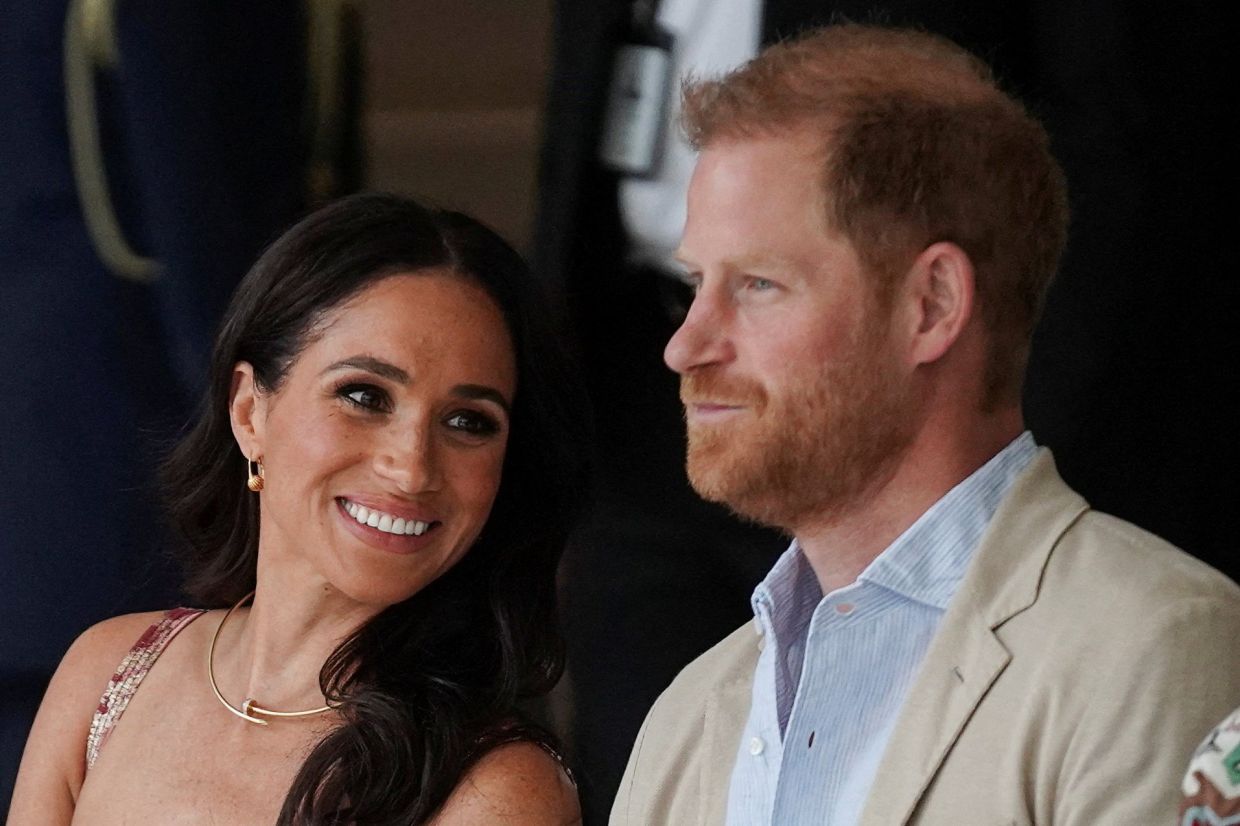
Prince Harry and Meghan have decided to uproot their family from California and return to the United Kingdom, according to British media reports released late Wednesday, marking a significant shift in the couple's life direction since their departure from royal duties more than six years ago. The move represents a notable development in Harry's ongoing efforts to reconcile with his estranged family, particularly his father King Charles III, who is currently undergoing treatment for cancer. Yet despite the geographical relocation, the couple have made clear they will not be returning as active participants in the monarchy's official functions and public-facing responsibilities.
Their two children, Prince Archie, aged seven, and Princess Lilibet, aged five, have reportedly secured places at schools in Britain and are scheduled to begin their studies in September. This logistical arrangement suggests a carefully planned transition rather than an impulsive decision, with the family having already navigated the complexities of British educational admissions from abroad. The selection of British educational institutions signals an intention to embed the children within the UK system and establish a longer-term presence in the country, a development that carries particular resonance given their previous upbringing primarily in North America.
The timing of this relocation decision reflects shifting family dynamics within the palace. King Charles was informed of the couple's intentions on Sunday, notably after Harry and Meghan had already concluded a visit to the UK in the previous month. This sequencing suggests that Charles learned of the plans as a fait accompli rather than through prior consultation, though his advanced notification before public disclosure indicates some degree of respect for his position. The fact that the couple did not discuss these plans with the king during their recent UK visit suggests a deliberate separation between their personal decision-making and their efforts at reconciliation.
For nearly two decades, Harry and Meghan have forged independent lives in Montecito, California, building substantial wealth through entertainment industry contracts with Netflix and Spotify that have allowed them to operate entirely outside the traditional constraints of royal employment. This financial independence has been crucial in their ability to make their own decisions without palace oversight or approval. Their departure was precipitated by what they characterised as intrusive media attention and fundamental disagreements about their role within the institution, grievances that festered considerably during their years abroad.
The estrangement from his family has weighed heavily on Harry, who has become increasingly vocal about his desire to rebuild these fractured relationships. In a candid conversation with the BBC, the prince expressed his genuine hope for reconciliation while acknowledging the urgency created by his father's health crisis. His statement—"I would love reconciliation with my family. There's no point in continuing to fight anymore. I don't know how much longer my father has"—reveals a man reassessing his priorities in light of mortality. A recent trip to the UK for charity engagements provided an opportunity for Meghan and the children to spend time with King Charles at his Highgrove estate, constituting the first extended family contact for Prince Archie and Princess Lilibet since Queen Elizabeth II's platinum jubilee in 2022.
However, the path toward family reconciliation remains fraught with complications. Harry has engaged in a prolonged and costly legal battle against British tabloid publishers, whom he accuses of systematic phone hacking and privacy violations. Recent court decisions have gone against the prince, leaving him potentially liable for substantial legal costs, with one publisher claiming £34.5 million in expenses. These financial and reputational entanglements demonstrate how thoroughly the prince's relationship with the British media ecosystem has deteriorated, a factor that will inevitably complicate his reintegration into British public life.
Additionally, Harry faces an unresolved dispute with the British government regarding police protection. His security concerns—that members of the royal family warrant protection regardless of working status—have been rejected by officials, and his legal challenges to this decision have been unsuccessful. This ongoing security question adds a layer of practical difficulty to any return, as the prince remains anxious about his family's safety on British soil. The combination of media hostility and security concerns creates genuine obstacles that a change of residence alone cannot easily overcome.
The announcement has already generated considerable speculation about palace dynamics and political consequences. Royal observers have noted that Prince William, the heir to the throne, may view this development with considerable displeasure. Peter Hunt, a former BBC royal correspondent, suggested that William could find the situation deeply frustrating, characterising his potential reaction as being rendered "apoplectic" by news of Harry's return. The dynamic between the two brothers remains fundamentally fractured, with no evidence of any thaw in their relationship despite Harry's progress with their father. This creates a peculiar situation wherein Harry may successfully rebuild his connection with King Charles while simultaneously heightening tensions with the future monarch.
From a Southeast Asian perspective, this development offers insights into how even the world's most institutionalised families grapple with contemporary tensions—between tradition and individual autonomy, between public duty and private wellbeing, between financial independence and familial obligation. For Malaysian and regional audiences accustomed to strong family hierarchies and respect for parental authority, Harry's explicit prioritisation of reconciliation with his ageing father may resonate, even as his earlier departure raises questions about the limits of filial obligation. The couple's ability to sustain independent careers through entertainment contracts also reflects broader globalisation patterns wherein wealth and influence are no longer exclusively concentrated in traditional power structures.
Buckingham Palace has adopted its standard posture of declining to comment on matters involving non-working members of the royal family, while representatives for Harry and Meghan have similarly refrained from public statements. This studied silence from official channels suggests ongoing sensitivity around the couple's status and intentions. Nonetheless, the fundamental decision has been made and is already becoming public knowledge, representing a tangible shift in the family's geographical and possibly emotional configuration. The coming months will reveal whether this return represents a genuine healing of rifts or merely a strategic repositioning in circumstances shaped by mortality and medical crisis.

