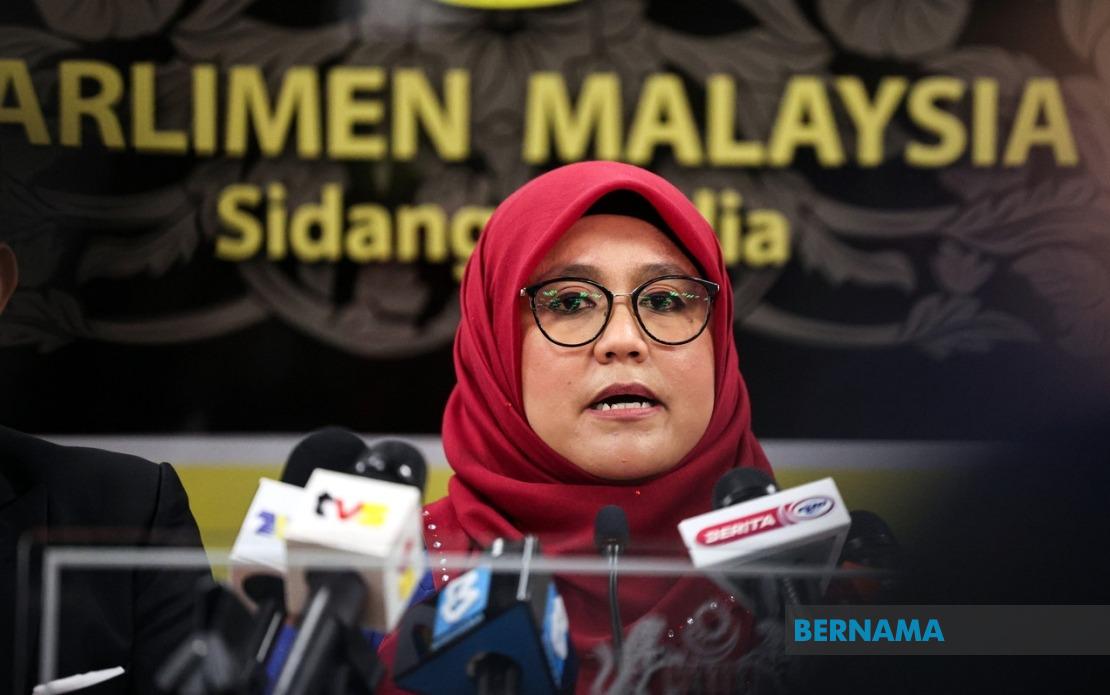
The real culprit behind Malaysia's climbing health insurance costs is not what patients might assume. Rather than physicians' fees, the Public Accounts Committee has identified escalating non-professional charges at private hospitals as the dominant factor pushing premiums skyward. This finding, presented to Parliament by Kapar MP Dr Halimah Ali on behalf of PAC chairman Datuk Mas Ermieyati Samsudin, upends conventional wisdom about healthcare cost inflation and points to a structural gap in Malaysia's regulatory framework that has been allowed to widen for over a decade.
The distinction between regulated and unregulated charges lies at the heart of the problem. Since 2013, doctors' professional fees have operated within a controlled environment, yet the financial components surrounding medical service delivery remain largely free from oversight. These uncontrolled elements encompass the full spectrum of hospital operations: medical supplies and equipment, pharmaceuticals, diagnostic and laboratory testing, increasingly sophisticated medical technology, and the mounting operational expenses hospitals incur for staffing, energy consumption, and technological infrastructure. Additionally, costs associated with litigation protection and defensive medicine practices—where doctors order extra tests or procedures to safeguard against potential lawsuits—contribute substantially to the overall bill patients eventually face.
One particularly problematic aspect revealed in the PAC investigation concerns the absence of standardised billing frameworks across Malaysia's private hospital sector. This fragmentation creates a deliberate obscurity surrounding the true cost of medical services and basic items. Hospitals maintain considerable discretion in how they structure and present charges, making it nearly impossible for patients, insurers, or regulators to understand what they are actually paying for. High medicine prices frequently serve a secondary purpose beyond their pharmaceutical function: they subsidise operating costs that hospitals choose not to itemise separately, such as nursing labour and utility expenses. This bundling approach prevents transparent cost analysis and masks where money is genuinely being spent within the healthcare supply chain.
The PAC uncovered particularly egregious examples of unbundling—the inverse of the above practice—wherein hospitals fracture basic service components into separately billed items. Clinical waste disposal, pillowcases, and alcohol swabs, which logically should be absorbed into room charges or foundational service packages, appear as discrete line items on patient invoices. This granular charging approach multiplies costs for patients while appearing to offer itemised transparency, when in reality it obscures the true baseline price of fundamental hospital care.
Discrimination in pricing represents another critical finding that strikes at equity and fairness. Private hospitals have implemented tiered pricing structures based on the method by which patients settle accounts. Those presenting guarantee letters—typically corporate or insurance-backed payment commitments—face substantially higher charges than patients paying cash or utilising the pay-and-claim reimbursement method. This practice suggests hospitals extract higher margins when they perceive stronger payment capacity, effectively subsidising cheaper rates for direct payers through inflated GL pricing.
The pharmaceutical dimension of cost inflation compounds the challenge. The PAC's analysis of Malaysia's medicine supply chain identified significant mark-ups accumulating across multiple distribution stages. Remarkably, generic medications in certain instances command higher prices than their branded, innovator-developed counterparts—a reversal of normal economic logic that suggests fundamental market dysfunction. The situation deteriorates further when examining market concentration: more than 1,500 medicines registered in Malaysia have only a single manufacturer. This near-monopoly structure eliminates competitive pricing pressure and enables pharmaceutical suppliers to impose elevated prices without market constraints or alternative options for buyers.
Addressing these systemic problems requires legislative and administrative action across multiple fronts. The PAC has submitted 17 recommendations to government, with implementation of the Diagnosis-Related Group payment system taking priority. The DRG framework, already established internationally, groups similar diagnoses and procedures into comparable payment categories, providing transparency and standardisation that Malaysia's current system lacks. Simultaneously, the committee has urged amendment of the Private Healthcare Facilities and Services Act 1998 to grant the Ministry of Health direct regulatory authority over private hospital service charges beyond the currently restricted domain of doctors' professional fees.
Cooperative measures between the Ministry of Health and Ministry of Domestic Trade and Cost of Living should establish price regulation mechanisms for medicines and medical equipment while exploring direct procurement pathways that bypass traditional suppliers and intermediaries. This strategy particularly aims at cultivating local pharmaceutical manufacturing capacity, reducing dependence on imported products and potentially breaking supplier cartels that maintain artificially high prices. The Bank Negara Malaysia, as Malaysia's financial regulator, holds responsibilities for scrutinising insurance product design and pricing practices that may perpetuate or amplify cost inflation.
Parliamentary discussion of the PAC report revealed cross-party consensus on the gravity of the situation. Members from both government and opposition formations called for accelerated DRG implementation, strengthened regulatory frameworks for private hospital charges and pharmaceutical pricing, and enhanced transparency standards throughout the insurance industry. Several MPs advocated for complementary measures: increased public healthcare investment to reduce dependence on private facilities, comprehensive insurance legislation review, a moratorium on fee increases at university teaching hospitals pending adequate private sector alternatives, and elevated taxation targeting private hospitals capturing substantial revenue from medical tourism operations.
The implications extend beyond individual patient finances or insurance company profitability. Malaysia's competitive position in attracting medical tourists and developing its healthcare sector depends on sustainable, transparent pricing that reflects genuine value rather than opaque charging structures. The current environment, where uncontrolled non-professional charges drive premiums upward while regulatory attention focuses narrowly on professional fees, represents a market failure requiring urgent correction. For Malaysian employees and families purchasing insurance coverage, the PAC findings explain why premiums have risen despite physician fee controls—the problem lies elsewhere, in the unmonitored corridors of hospital administration and pharmaceutical distribution.
Implementing the PAC's recommendations will require political will to regulate private hospital operations more comprehensively, sustained commitment from health and trade ministries, and cooperation from financial sector authorities. The alternative—allowing current trajectory to continue—means persistent insurance premium escalation, reduced coverage affordability for middle-income Malaysians, and continued misallocation of healthcare resources toward administrative and supply chain inefficiencies rather than direct patient care. The pathway forward demands moving beyond the narrow regulatory scope of physician fees toward comprehensive oversight of the entire healthcare cost structure.

